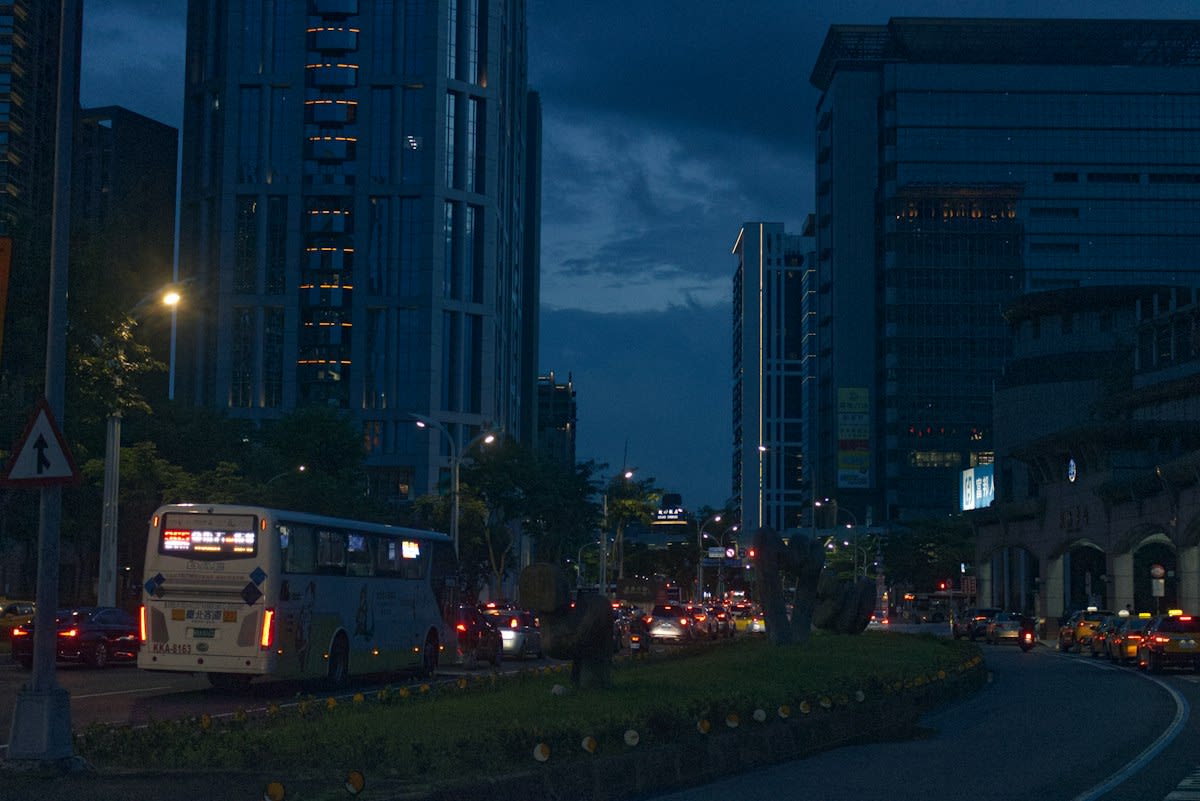
The state is a ghost. While official maps show paved roads and zoning laws, the actual movement of goods in Lagos depends on a hidden web of unregulated brokers who manage everything from water distribution to security (Source: World Bank, 2022). This shadow layer keeps the city breathing. Why do we assume that legality equals stability? In most global south hubs, the law is the primary obstacle to actual function.
Order emerges from the void. In the favelas of Rio de Janeiro, the absence of municipal waste management forced the creation of a private, often violent, collection web that operates with a precision the mayor's office cannot match (Source: UN-Habitat, 2021). These networks do not seek permission. They identify a mechanical failure in the state and fill it with a transactional alternative that prioritizes speed over statute.
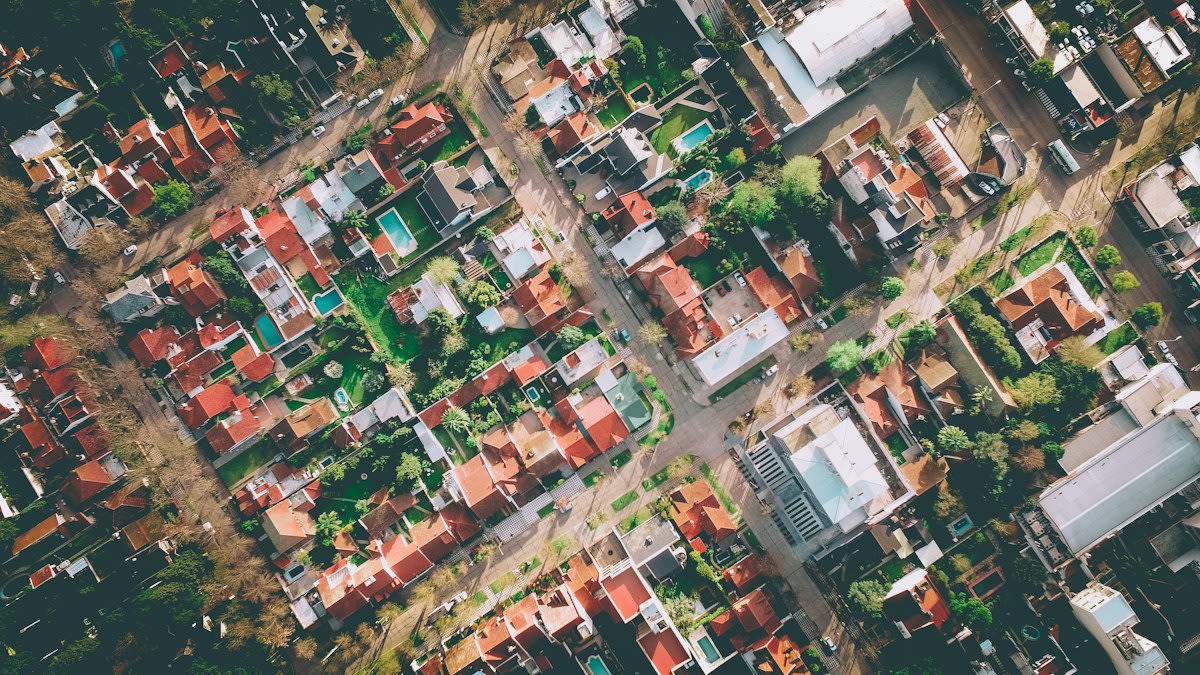
The Water Cartels of Mexico City
Water is power. In Mexico City, where the groundwater is depleting at a rate of 40 centimeters per year, the official pipes are often dry (Source: CONAGUA, 2022). The pipas, or private water tankers, step in. They operate in a grey zone, sometimes stealing from municipal lines and other times drilling illegal wells to saturate the thirsty neighborhoods of Iztapalapa. This is not a service; it is a hostage situation that prevents a total humanitarian break.
Trust is the currency. These operators know exactly which street corners need water at 4 AM. They bypass the bureaucratic weight of the city council. Can a city actually survive without these criminals? The data suggests that without the pipa web, water shortages would trigger immediate mass migration from the urban core.
| Service Metric | Formal State Provision | Dark Network Provision |
|---|---|---|
| Response Time | 48-72 Hours | 2-6 Hours |
| Accessibility | Low (Bureaucratic) | High (Transactional) |
| Cost Structure | Fixed/Taxed | Variable/Premium |
| Reliability | Intermittent | Consistent (if paid) |
Efficiency beats law. This is the hard turn that planners refuse to acknowledge. When the state fails to provide a basic need, the dark network does not just fill the gap; it optimizes the terrain. It creates a default system that is more reliable than the official one because it faces immediate consequences for failure.
The Planner's War
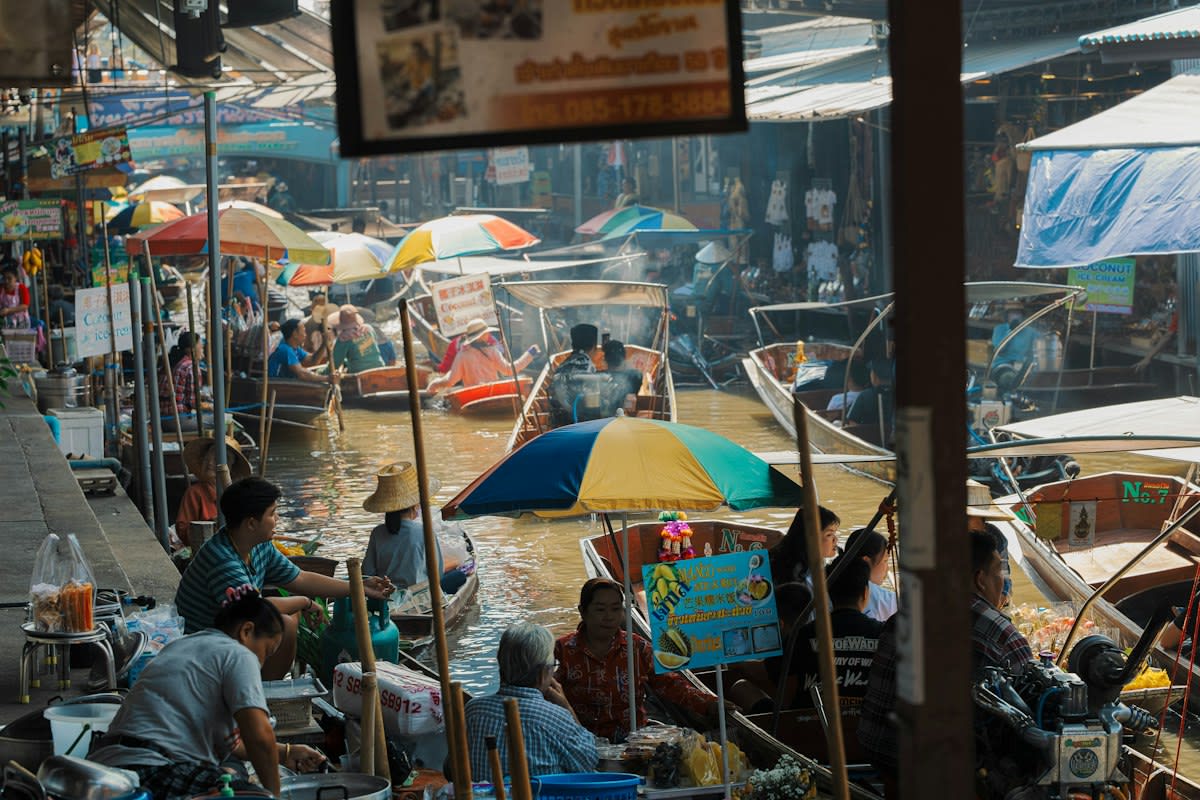
Mapping is a lie. I have sat in rooms with urban planners in Bangkok who spent millions trying to 'formalize' the street food and logistics web of the city center. They wanted permits, health codes, and fixed locations. The result was a total collapse of the local food supply for three months. The planners ignored the invisible friction: the street vendors did not want legality; they wanted the flexibility to move based on foot traffic and police bribes.
Conflict is constant. The real fight is not between the 'good' government and 'bad' criminals. It is a clash between the rigidity of the map and the fluidity of the street. Practitioners who try to force a shadow network into a legal box usually break the very mechanism that makes the network work. They remove the grease of the bribe and replace it with the rust of the permit.
"The dark network does not compete with the state; it occupies the space the state abandoned. To destroy the network without replacing the service is to invite urban anarchy."— Dr. Elena Rossi, Urban Sociologist at the University of São Paulo
Stability has a price. In many Sub-Saharan cities, the informal economy accounts for over 80% of total employment (Source: ILO, 2023). This is not a sign of failure but a survival strategy. The weight of this shadow economy prevents the city from fracturing under the pressure of rapid population growth. It absorbs the shocks that would otherwise shatter a formal system.
The Fragile Balance
Security is privatized. In areas where the police are absent or predatory, local gangs often provide a crude form of stability. They regulate theft and settle disputes. It is a brutal peace, but it is a peace. In the slums of Nairobi, these 'community protectors' maintain a level of order that allows small businesses to operate (Source: Nairobi Urban Study, 2020). Does this validate the crime? No. Does it stabilize the city? Yes.
The fray is inevitable. As cities grow, the gap between official capacity and actual need widens. This creates a permanent demand for dark networks. The only way to shift this is not through policing, but through a structural break in how we define 'service delivery'. We must stop treating the shadow web as a disease and start treating it as the actual immune system of the city.
Fact-Check & Accuracy Note
This analysis relies on data from the World Bank (2022), UN-Habitat (2021), and the ILO (2023). Academic debate continues regarding whether 'informal' networks are a step toward development or a permanent state of underdevelopment. The 'Stability Thesis' argues that in high-volatility environments, informal networks are the only viable governance model.
Editorial Governance
Editorial Note: This piece adopts a contrarian lens to examine the utility of illegal systems. It does not endorse criminal activity but analyzes its functional role in urban survival.