Are some salts healthier than others?
Source Entity
Latest News: Todays Latest News Headlines from India & World | Hindustan Times
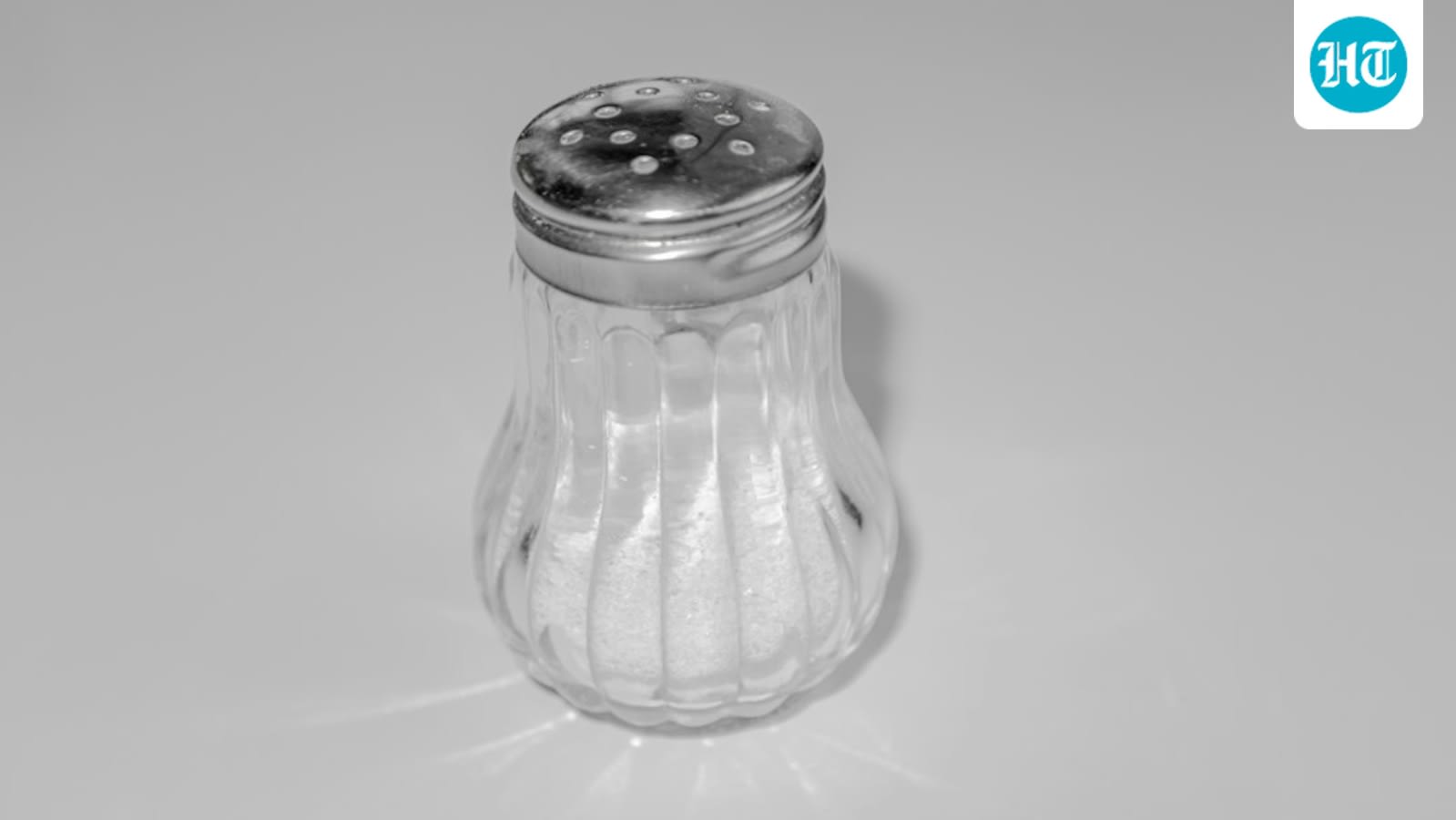
While salt is essential for bodily functions, excessive sodium intake is linked to serious health risks like hypertension. Marketing claims suggesting premium salts are healthier often lack scientific backing, as most varieties remain primarily sodium chloride.
The Essential Role of Sodium in Human Physiology
Salt is a fundamental component of human biological function, serving as a critical electrolyte that facilitates various life-sustaining processes. Sodium, the primary constituent of salt, plays an instrumental role in maintaining osmotic balance by drawing water out of cells to hydrate the bloodstream. Beyond fluid regulation, it is indispensable for muscular contraction and relaxation, as well as enabling the intestines to efficiently absorb nutrients. While its culinary utility in enhancing flavor is undeniable, its physiological necessity serves as the baseline for why it remains a dietary staple.
The Double-Edged Sword of Consumption
Despite its biological necessity, the adage that one can have 'too much of a good thing' is particularly poignant regarding sodium. Excessive consumption is scientifically established as a significant contributor to elevated blood pressure, which acts as a precursor to a cascade of severe health conditions. Clinical data consistently links high sodium intake to an increased risk of cardiovascular diseases and chronic kidney impairment. This creates a paradox for modern consumers: the substance required for survival is simultaneously a leading dietary factor in chronic illness.
Analyzing Market Claims and 'Gourmet' Varieties
In response to growing health consciousness, various manufacturers have introduced premium salt products—such as fleur de sel and pink Himalayan salt—often marketed with the implication that they offer mitigated health risks compared to standard table salt. These products are frequently positioned at higher price points and are aesthetically distinguished by their unique textures and colors. However, the underlying chemical reality remains largely consistent across the spectrum of available salts.
The Chemical Reality vs. Marketing Narratives
At the molecular level, the vast majority of supermarket salts are predominantly composed of plain sodium chloride. While niche varieties may contain trace amounts of minerals such as calcium, iron, or zinc, current scientific consensus suggests that these minute additions do not substantively alter the health profile of the product. The concentration of these secondary minerals is generally far too low to provide any meaningful nutritional benefit or to offset the adverse effects of the high sodium content inherent in the product.
Navigating Future Dietary Trends
As public health awareness continues to evolve, the distinction between culinary preference and health-based claims will become increasingly important. The lack of evidence supporting the health benefits of 'premium' salts suggests that consumers should prioritize total sodium reduction over the selection of specific salt varieties. Future trends in nutrition labeling may eventually require stricter scrutiny of these health-adjacent claims to prevent the proliferation of misleading information regarding heart-healthy salt alternatives.
Verification Required?