Why a shortage of clinical psychologists in Keralam govt hospitals is leaving people with intellectual disabilities waiting for certificates
Source Entity
India Latest News: Top National Headlines Today & Breaking News | The Hindu
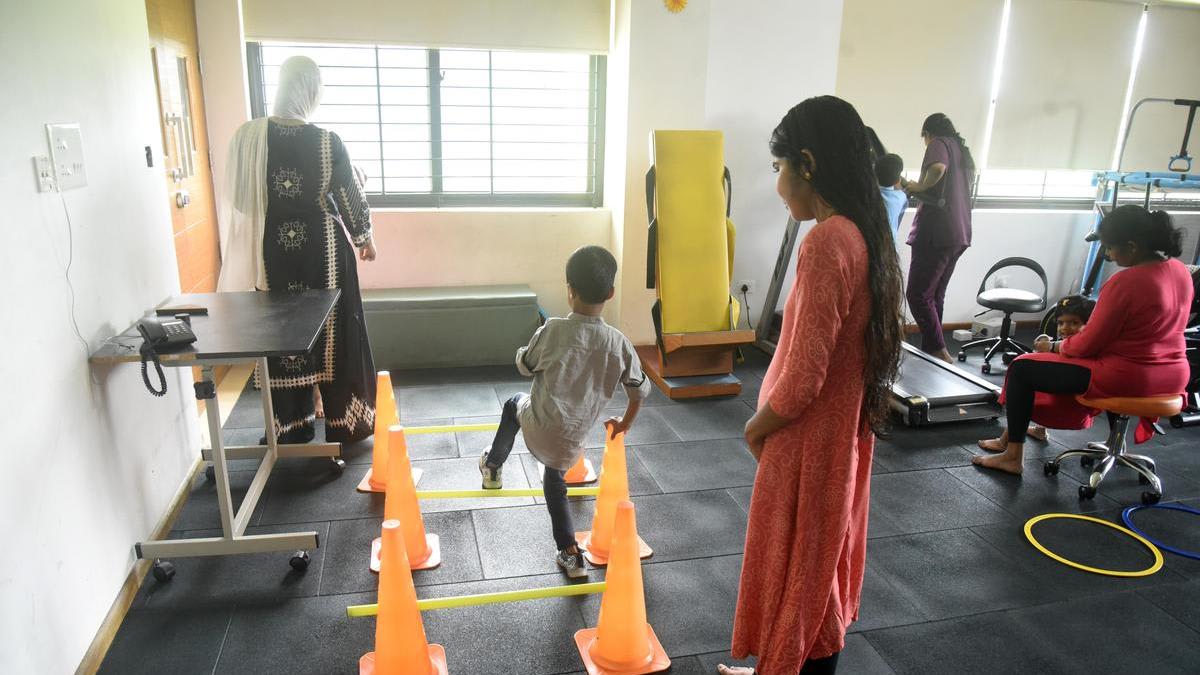
A severe shortage of clinical psychologists in Kerala's government hospitals is delaying critical IQ assessments for people with intellectual disabilities. This staffing crisis prevents families from obtaining essential disability certificates mandated by Union government guidelines.
The Crisis of Intellectual Disability Assessment in Kerala
In the state of Kerala, a silent crisis is unfolding within the public healthcare infrastructure, specifically impacting those with intellectual disabilities. Recent reports highlight a critical shortage of clinical psychologists across government hospitals and medical college facilities. With only 22 professionals available to serve a population of approximately 80,000 individuals identified in the 2015 Disability Census, the system is struggling to meet the basic demand for diagnostic services.
The Necessity of IQ Assessments
At the heart of this issue is the requirement for Intelligence Quotient (IQ) assessment tests. These tests are not merely clinical procedures; they serve as the foundational evidence required for individuals to obtain disability certificates. Under the current guidelines issued by the Union government’s Department of Empowerment of Persons with Disabilities, these certificates are essential for accessing social welfare programs, educational support, and various state-sponsored benefits. Without these assessments, families remain trapped in a bureaucratic limbo, unable to secure the legal recognition necessary to support their loved ones.
Regulatory Mandates vs. Ground Reality
The Union government’s mandate requires that differently-abled children undergo assessment tests at least three times before reaching the age of 18 to qualify for a permanent disability certificate. This periodic evaluation is intended to track development and ensure appropriate support; however, the current staffing levels make this timeline nearly impossible to adhere to. With only 17 clinical psychologists under the Directorate of Health Services (DHS) and 5 under the Directorate of Medical Education (DME), the ratio of patients to professionals is unsustainable, leading to significant backlogs.
Systemic Implications and Administrative Bottlenecks
The disparity between the number of individuals requiring assessment and the available workforce creates a bottleneck that effectively denies services to the most vulnerable. This shortage forces families to seek private alternatives, which are often prohibitively expensive, thereby widening the inequality gap. The reliance on such a small cadre of professionals suggests that the state’s current healthcare planning has not kept pace with the growing requirements of disability certification protocols.
Future Outlook and Policy Needs
To address this, Kerala faces an urgent need to incentivize the recruitment and retention of clinical psychologists within the public sector. Relying on a total of 22 professionals to cover the entire state is insufficient for a modern healthcare system. Future trends suggest that unless the state government expands its workforce through targeted hiring and improved pay scales, the wait times for disability certificates will continue to grow, further marginalizing the population of individuals with intellectual challenges. The state must bridge the gap between policy mandates and the actual availability of diagnostic personnel to ensure that the rights of differently-abled citizens are upheld.
Verification Required?