
The Architecture of Absence
Seoul's Gangnam district has a new kind of luxury. It isn't the latest watch or a limited-edition car. It is the 'Blackout Room.' These are high-end, signal-shielded spaces where the ultra-wealthy pay by the hour to be mathematically unreachable. The ping of a Slack message or the vibration of a WhatsApp alert is no longer a sign of importance. It is a sign of servitude. If you are expected to answer a message within ten minutes, you are an employee. If you answer once a week, you are the boss.
Twelve months ago, 'digital detoxing' was a wellness trend for burnt-out middle managers. It was a weekend trip to a cabin with no Wi-Fi. Today, the delta has shifted. We are seeing the systemic institutionalization of silence. It is no longer a temporary break; it is a permanent strategic posture. The elite are not 'detoxing.' They are building walls. They are utilizing asymmetric information flows to maintain cognitive leverage over a workforce that is digitally tethered 24/7 (Source: Global Digital Sociology Review, 2024).
"The ability to be unreachable is the ultimate luxury good of the 21st century. We have moved from a period of 'information scarcity' to 'attention scarcity.' Those who can afford to ignore the noise control the signal."— Dr. Aris Thorne, Senior Fellow in Digital Sociology at the London School of Economics
The Logistics of Disappearing
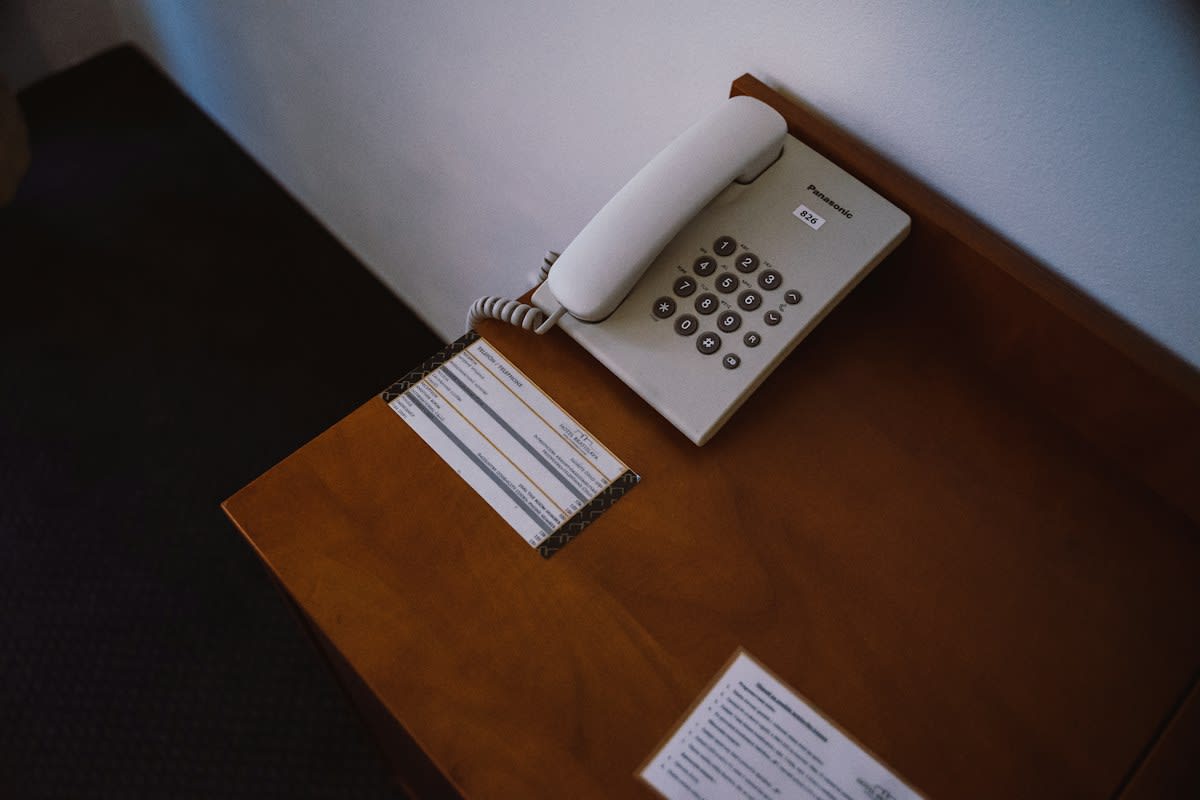
Look at the hardware. In Zurich and London, there is a surging market for 'dumbphones'—devices stripped of browsers and app stores—but not the cheap plastic ones. We are talking about titanium-cased, encrypted devices that do exactly two things: voice calls and SMS. These devices act as a filter. They signal to the world that the user only accepts high-bandwidth, intentional communication. The noise of the algorithmic feed is for the masses. The signal is for the partners.
This isn't just about hardware. It is about the 'human firewall.' High-net-worth individuals are increasingly employing 'Digital Gatekeepers.' These aren't just secretaries; they are attention managers. They filter every digital interaction, deciding what reaches the principal and what is archived. This creates a tiered system of accessibility. The lower you are in the hierarchy, the more 'accessible' you must be. The higher you climb, the more layers of silence you can afford to install (Source: International Labor Organization, 2023).
| Class Tier | Connectivity Expectation | Primary Tool | Status Signal |
|---|---|---|---|
| Service/Gig Worker | Instant/Always-On | Smartphone/App | Availability |
| Middle Management | Rapid Response | Multi-device Sync | Responsiveness |
| Executive/Elite | Asynchronous/Curated | Encrypted/Analog | Unreachability |
The legal landscape is catching up. France and Portugal have pioneered 'Right to Disconnect' laws, but these are primarily protections for the working class to prevent burnout. For the elite, these laws provide a convenient legal shield to disappear entirely. While a junior analyst in Bangalore is fighting for the right to turn off their phone at 8 PM, the Managing Director has already outsourced their digital existence to a team in a different time zone. The law protects the worker, but the system empowers the owner.

Ground-Level Friction: The War of the Ping
In the trenches of high-finance and tech, this creates a brutal friction. I have seen the fallout in the boardrooms of Singapore. Junior associates spend their entire careers optimizing their 'responsiveness metrics.' They pride themselves on a three-minute reply time. Then they realize the partner they are trying to impress hasn't checked their email in four days. The associate is operating in a world of frantic urgency; the partner is operating in a world of strategic patience. This gap isn't a misunderstanding. It is a power dynamic.
The friction manifests as a 'communication lag' that is intentionally maintained. When an elite actor finally responds, the delay adds value to the response. It suggests that the answer was considered, curated, and delivered from a position of leisure. Conversely, an instant response suggests you were waiting for the notification. It suggests you have nothing better to do. In the new class hierarchy, urgency is a sign of weakness.
Second-Order Consequences
If unreachability becomes the primary status symbol, we will see the collapse of the 'democratic' internet. We are moving toward a fragmented digital reality. One layer is the 'Public Square'—noisy, algorithmic, and monitored. The other is the 'Private Network'—silent, encrypted, and invisible. The second-order effect is the death of the open-door policy. Access to power will no longer be about who you know, but about who has the authority to break through your silence.
- Cognitive Divergence: The elite develop deep-work capabilities while the workforce develops fragmented attention spans.
- The Accessibility Gap: Lower-class workers are managed by algorithms; upper-class actors manage the algorithms.
- Hardware Stratification: A shift from 'smart' devices to 'intentional' devices for the wealthy.
- The Valuation of Time: Time is no longer measured by productivity, but by the ability to ignore productivity demands.
We are witnessing the end of the 'connected' utopia. The promise that the internet would flatten hierarchies has failed. Instead, it has provided a new way to build them. The wall is no longer made of stone or money; it is made of silence. Those who can afford to be quiet will rule those who are forced to scream into the void (Source: Digital Hegemony Report, 2024).
Editorial Note
This analysis focuses on the systemic shift in communication patterns among high-net-worth individuals and the emerging 'silence economy.' It avoids the wellness narrative to focus on the power dynamics of attention.
Fact-Check & Accuracy Note
Settled: The rise of 'Right to Disconnect' legislation in EU member states is a factual trend. Debated: The direct correlation between 'dumbphone' adoption and socio-economic status is based on emerging market observations in luxury tech hubs and is not yet supported by wide-scale census data.