38-year-old beloved steakhouse chain closing over 40 locations
Source Entity
Yahoo Finance
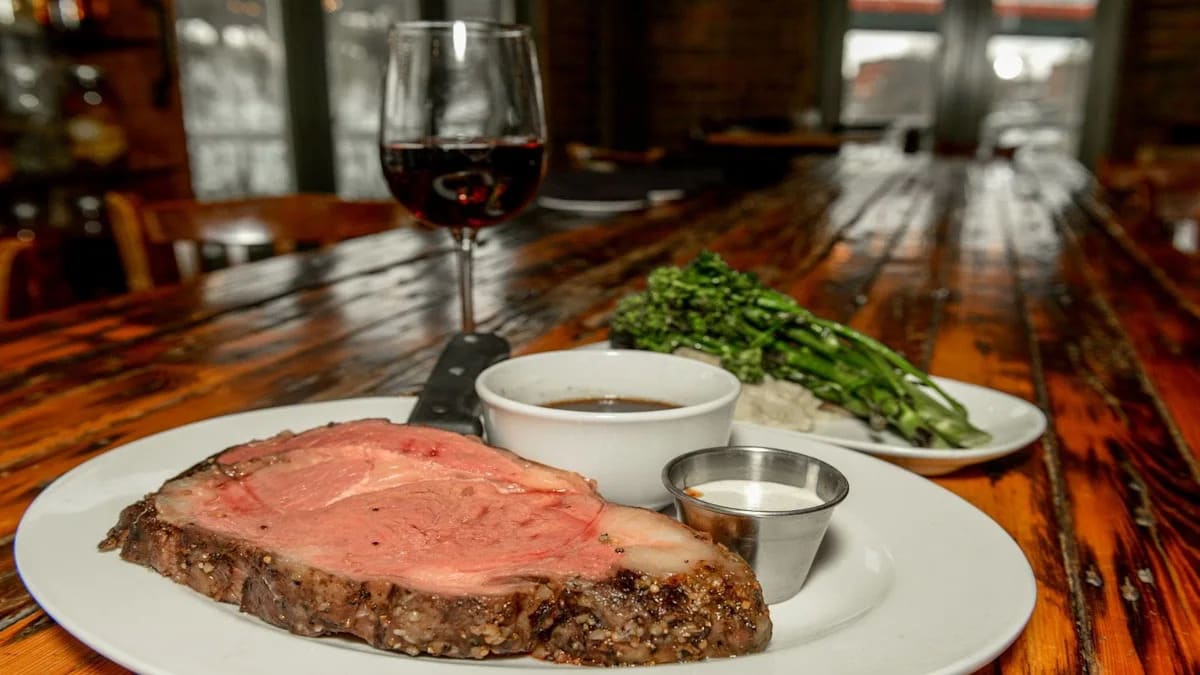
Outback Steakhouse is closing select underperforming locations as part of a broader turnaround strategy by parent company Bloomin' Brands. This move comes amid significant economic pressure from a 9.4% year-over-year rise in beef prices as of July 2026.
The Strategic Retrenchment of Outback Steakhouse
Economic Pressures on the Casual Dining Sector
The casual dining landscape is currently navigating a period of intense financial volatility, highlighted by the recent announcement that Outback Steakhouse is closing additional restaurant locations. This decision is not an isolated incident but rather a symptom of broader macroeconomic headwinds facing the hospitality industry. Specifically, the sector has been grappling with a 9.4% year-over-year increase in beef prices as of July 2026. For a chain whose core product relies heavily on high-quality protein, such a sharp inflationary spike directly erodes profit margins, forcing management to reevaluate the viability of its physical footprint.
The Bloomin' Brands Turnaround Strategy
Outback Steakhouse’s parent company, Bloomin' Brands, is approximately 10 months into a multi-year turnaround strategy designed to modernize and optimize the company's operational efficiency. The core tenet of this strategy involves a rigorous audit of existing locations to identify those that no longer align with long-term growth objectives. By systematically closing restaurants that fail to meet specific economic performance benchmarks, Bloomin' Brands is attempting to insulate the healthier parts of its portfolio from the financial drag of underperforming assets.
Assessing Location Viability
The decision to shutter specific locations is a calculated move to preserve capital. When a restaurant reaches a point where the cost of goods sold—exacerbated by the aforementioned rise in beef prices—outpaces local consumer demand, it creates a structural deficit. For a 38-year-old brand, maintaining a legacy footprint is secondary to ensuring the long-term solvency of the enterprise. The closures, including recent actions in states like Wyoming, reflect a shift toward a more agile, high-margin business model that prioritizes growth potential over mere market presence.
Historical Context and Market Evolution
For decades, the casual steakhouse model thrived on stability and predictable supply chains. However, the current environment is defined by supply chain unpredictability and shifting consumer spending habits. The 9.4% inflation rate in beef costs serves as a catalyst for a necessary evolution within the industry. As companies like Bloomin' Brands pivot, they are likely to focus on optimizing the remaining locations through improved technology, updated menus, and streamlined operations to better withstand future inflationary cycles.
Future Outlook for the Brand
The path forward for Outback Steakhouse involves a delicate balance between maintaining brand identity and achieving fiscal discipline. While the closure of locations is often perceived negatively, it serves as a critical mechanism for corporate survival in a high-cost environment. Looking ahead, stakeholders will be monitoring how effectively the remaining portfolio performs once the underperforming units are pruned. The success of this turnaround will ultimately depend on whether the company can maintain customer loyalty while navigating the persistent reality of elevated commodity pricing.