DBT transfer to 1,200 beneficiaries, 22 milk cooperatives handed registration certificates in U.P. dairy conclave
Source Entity
India Latest News: Top National Headlines Today & Breaking News | The Hindu
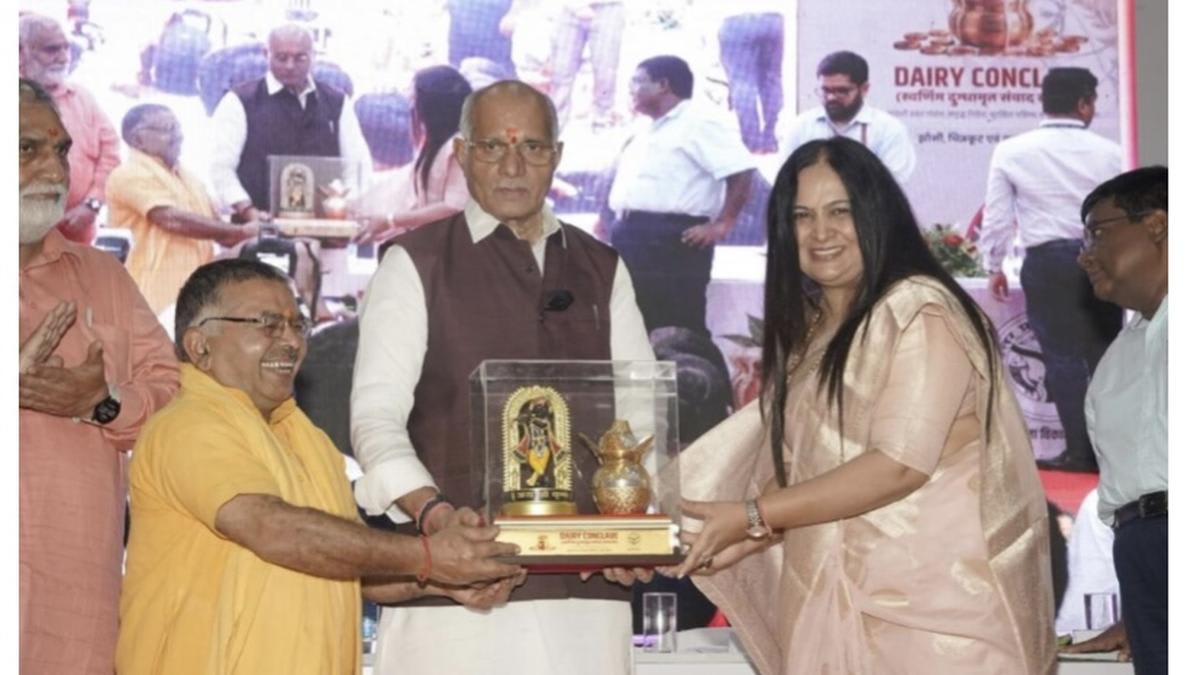
The Uttar Pradesh Dairy Department has distributed over ₹11 crore via DBT to 1,200 beneficiaries across three divisions. The initiative, highlighted at a recent Jhansi conclave, aims to bolster rural entrepreneurship and women's participation in the dairy sector.
Empowering Rural Economies: The U.P. Dairy Conclave Initiative
On September 11, 2026, the city of Jhansi hosted a pivotal dairy conclave focused on the critical role of women in entrepreneurship and the broader expansion of the dairy economy. This event served as a platform for the Uttar Pradesh Dairy Department to demonstrate its commitment to rural development, emphasizing the transition toward more organized and profitable agricultural practices. By centering the theme on women’s participation, the state government is signaling a shift toward inclusive economic growth that leverages the traditional strengths of rural households.
Financial Injection via Direct Benefit Transfer (DBT)
A significant highlight of the conclave was the disbursement of over ₹11 crore directly into the bank accounts of 1,200 beneficiaries. Utilizing the Direct Benefit Transfer (DBT) mechanism, the government has ensured that financial aid reaches the intended recipients in the Jhansi, Kanpur, and Chitrakoot Dham divisions without intermediaries. This move is designed to enhance transparency and efficiency, providing rural entrepreneurs with the immediate capital necessary to improve their dairy operations.
Strategic Funding Under the 2022 Milk Policy
Beyond individual grants, the government announced the release of ₹13.5 crore under the 2022 Milk Policy to support various regional projects. This policy framework is clearly aimed at modernizing the dairy infrastructure in Uttar Pradesh, fostering an environment where small-scale producers can transition into more sustainable, commercial entities. By allocating these funds, the state is investing in the long-term viability of the dairy value chain, from production to distribution.
Formalizing the Cooperative Sector
During the event, 22 new multipurpose milk cooperatives were officially handed their registration certificates. This formalization is a crucial step in organizing the fragmented dairy sector. Cooperatives allow individual farmers to pool resources, negotiate better prices for their produce, and access better technology. By scaling these operations, the state is creating a more resilient agricultural backbone that can withstand market fluctuations and improve collective bargaining power.
Broader Implications and Future Trends
This initiative reflects a growing trend in Indian agricultural policy: the professionalization of the dairy sector as a primary engine for rural prosperity. As these cooperatives gain traction and beneficiaries utilize their grants to upgrade their facilities, we can expect to see an uptick in milk yields and overall productivity in the Jhansi, Kanpur, and Chitrakoot Dham divisions. The success of this model could serve as a blueprint for other regions, potentially transforming U.P. into a more robust hub for dairy exports and domestic supply.
Conclusion
The synchronization of policy-driven funding, direct financial support, and the expansion of cooperative networks highlights a comprehensive approach to rural development. By empowering women and small-scale dairy farmers, the Uttar Pradesh government is not only addressing immediate financial needs but is also laying the groundwork for a more sustainable and equitable dairy economy in the years to come.
Verification Required?