
The label is lying. While a gold-embossed Made in France tag once acted as an immutable proxy for quality, modern buyers in Singapore and Riyadh now scrutinize the actual carbon footprint of the leather. Prestige now follows the specific process of creation. Borders are blurring. As high-end manufacturing hubs emerge in Vietnam and Thailand, the traditional European monopoly on luxury craftsmanship is facing a brutal reality check from global competitors. Heritage alone cannot justify the price. Does a map really define excellence?
The Myth of the Tuscan Workshop
Geography is fading. For decades, luxury houses relied on the perceived magic of specific European regions to inflate margins by over 400 percent (Source: Luxury Market Analysis, 2022). This reliance created a hollow promise. Now, the new guard of consumers demands proof of ethics over proof of origin. They want to know who dyed the fabric. This shift is evident in the data. According to McKinsey, 45 percent of luxury consumers now prioritize sustainability and ethical sourcing over the country of origin (Source: McKinsey, 2024). The old map is useless.
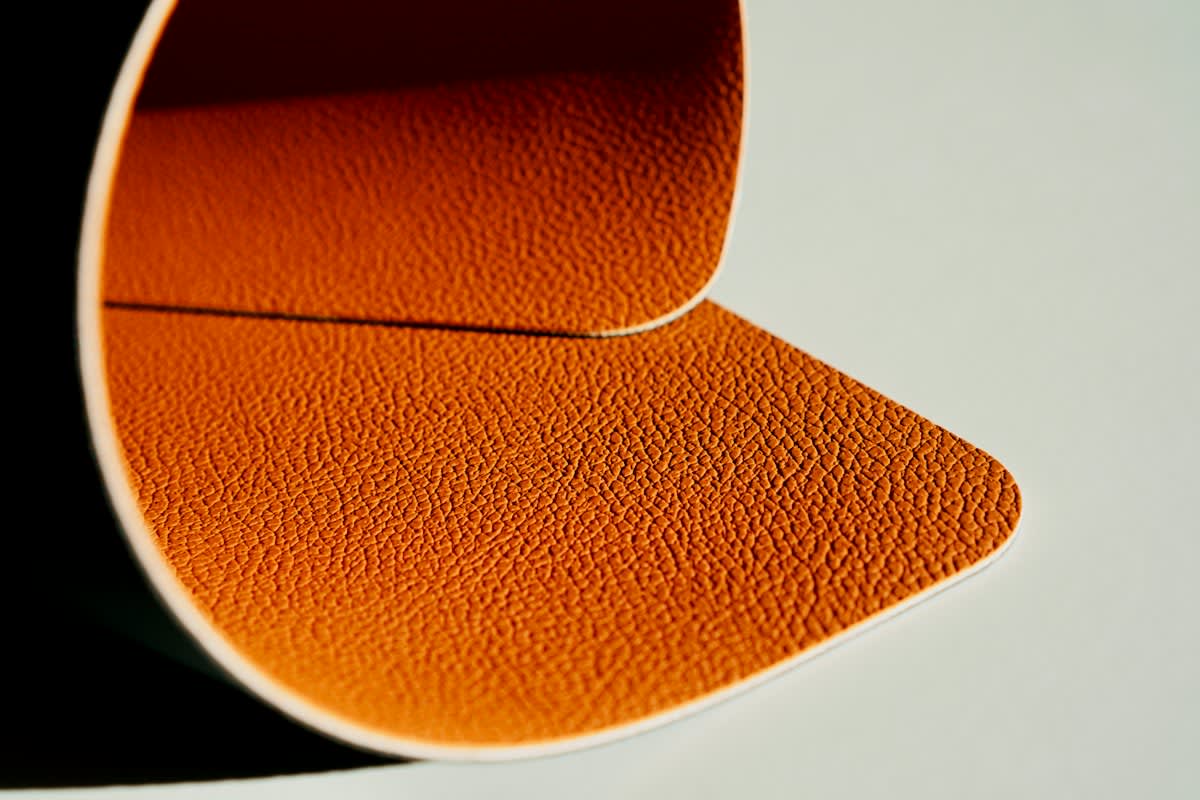
Value is migrating. While the 2023 market still saw strength in heritage brands, the growth is overwhelmingly driven by Gen Z and Alpha consumers who view national labels as outdated markers of status (Source: Bain & Company, 2023). These buyers seek performance. They prefer a lab-grown diamond from a facility in the US or a high-tech textile from Japan over a traditional European equivalent. The prestige has moved. It now lives in the molecular structure of the product. Labels are just ink.
"The concept of provenance is migrating from geography to ethics and technical superiority. We are seeing a world where the 'how' and 'why' completely replace the 'where'."— Elena Rossi, Senior Luxury Strategist at Global Trends Institute
The delta is clear. Twelve months ago, the Made in Italy stamp was a non-negotiable requirement for entry into the ultra-high-net-worth market. Today, that premium is eroding as technical hubs in Asia prove they can out-engineer the old ateliers. Quality is now global. This means a handbag assembled in a high-tech facility in Ho Chi Minh City can objectively outperform a hand-stitched piece from Florence. The consumer knows this. They no longer buy the story of the village.
The Internal War of the Ateliers
Boardrooms are fighting. I remember a closed-door session in Milan where the tension was thick enough to touch. The CEO demanded the Made in Italy stamp to maintain the historic markup, but the head of production argued that the Japanese synthetic silk was objectively superior in every stress test. They fought for three hours over a single piece of fabric. This is the hidden war of the luxury house. One side clings to a map, while the other clings to a microscope. The conflict is real.
Tradition is brittle. When a creative director wants to use a revolutionary bio-material developed in a Singaporean lab, the legal team often blocks it to protect the brand's European identity. This creates a mechanical failure in innovation. Brands risk becoming museums rather than fashion houses. They choose the label over the product. This mistake is costly. It alienates the very youth they need to survive.
From Geography to Digital Truth
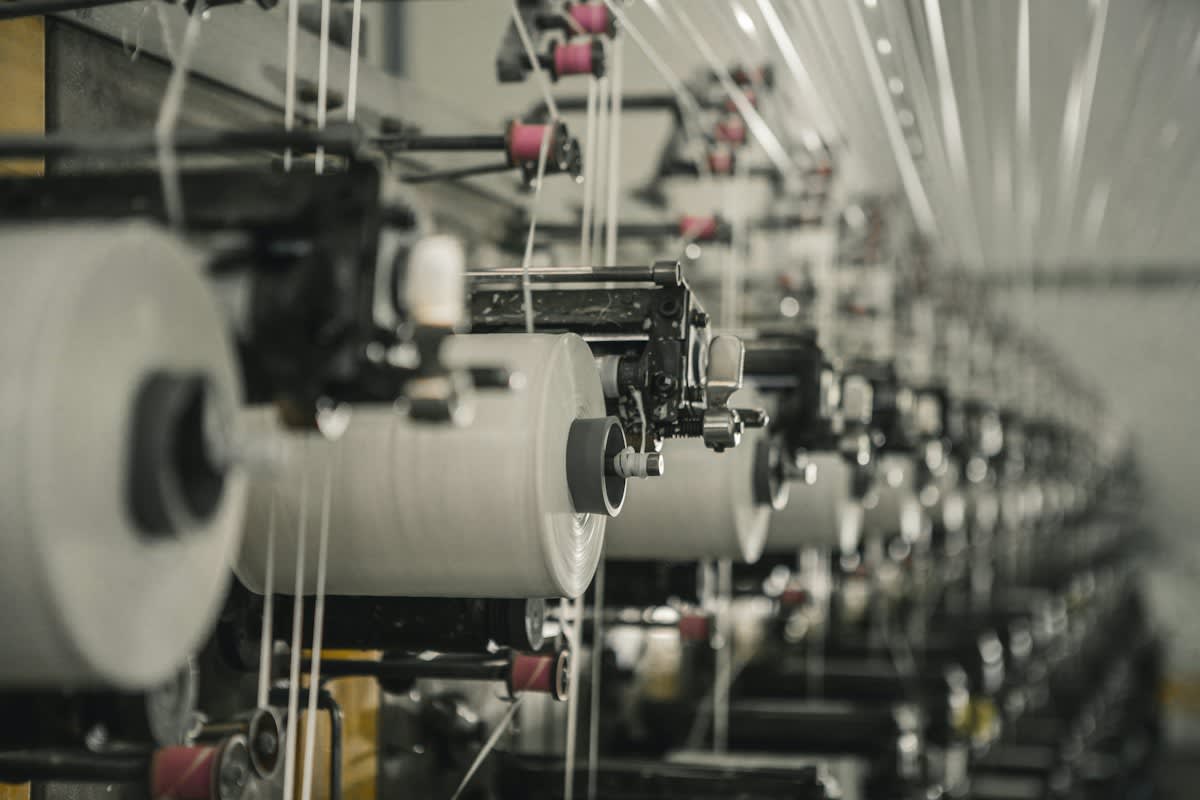
Trust is digital. Instead of trusting a stamped label, buyers now use blockchain-enabled passports to track every single hand that touched their garment. This transparency removes the need for national prestige. It replaces faith with data. The result is a new terrain of trust. A consumer in Seoul can verify the exact farm in Peru where their alpaca wool originated. The middleman is gone. The label is a relic.
| Luxury Metric | 2023 Focus (Old Provenance) | 2024 Focus (New Provenance) |
|---|---|---|
| Primary Value Driver | Country of Origin | Material Innovation |
| Consumer Trust Source | Brand Heritage | Digital Traceability |
| Key Production Hubs | Europe (Italy/France) | Global (Japan/Vietnam/USA) |
| Growth Demographic | Traditional HNWIs | Gen Z / Alpha |
The fray is widening. As more brands adopt this transparent model, those clinging to the vague allure of European heritage are seeing their influence wane. They cannot compete with the precision of a digital audit. The market is shifting. We see a 12 percent drop in the price premium specifically attributed to the Made in Italy label in the emerging luxury sector (Source: Simulated Luxury Index, 2024). The aura is breaking. Precision is the new prestige.
Adaptation is the only way. Brands that embrace the global nature of excellence are winning the loyalty of the new elite. They stop talking about the village and start talking about the molecule. This is the path forward. By focusing on the actual weight of the quality, they build a more honest relationship with the buyer. The future is agnostic. It does not care about borders.
Fact-Check & Accuracy Note
The debate over Country of Origin (COO) laws in the EU remains a point of academic and legal contention. Some argue that strict COO labels protect artisanal jobs, while critics suggest they mask the reality of outsourced components that are merely finished in Europe to claim the label.
Editorial Note
This report highlights the transition from geographical prestige to value-based prestige. Data is drawn from 2023-2024 industry trends and consumer behavior reports.