
Most brands operate under the delusion that superior quality automatically translates to higher perceived value. It does not. In reality, the weight a consumer assigns to a product is rarely about the objective specs and almost always about the emotional friction they are trying to avoid. Why do people pay a premium for a non-alcoholic beverage that tastes like a compromise? Or spend hours vetting a supplement for fillers? They aren't buying a liquid or a pill. They are buying an identity and a safeguard against perceived deception. The goal is not to prove you are the best, but to prove you are the only one who understands the specific, invisible threats the consumer is currently fighting.
Prerequisites for Implementation
Before you can adjust the weight of your perceived value, you need more than a standard persona document. You need a map of the consumer's anxiety. This requires a deep dive into the 'invisible' frictions—the things the customer fears but cannot always name. For the health-conscious segment, this means identifying specific triggers like mold in coffee, the presence of seed oils in snacks, or optical brighteners in detergents (Source: Motion, 2026). You cannot weight value if you do not know what the consumer is currently subtracting from your brand's credibility.
- A detailed inventory of 'mainstream' failures in your category.
- Access to raw, unpolished User Generated Content (UGC) for peer-validation mapping.
- A willingness to abandon corporate 'polish' in favor of a knowledgeable-friend register.
- Data on the sensory and physiological outcomes your product provides, beyond the primary function.
Step-by-Step: Weighting the Perception
- Audit the Friction: Identify where the consumer feels deceived by mainstream brands. For instance, the health-conscious consumer often feels a collision between brand promises and the reality of fillers in supplements (Source: Motion, 2026). Map these points of distrust.
- Establish the Peer Register: Shift your communication from clinical authority to a peer-level dialogue. The most effective register is that of a knowledgeable friend who has already done the research. This involves sharing vulnerability about past struggles, such as fatigue or bloating, to open an emotional door before introducing the solution (Source: Motion, 2026).
- Implement Alibi Marketing: In categories like NoLo (Non-Alcoholic and Low-Alcohol) beverages, the value is often found in the 'alibi'—the ability to fit into a social environment without the substance. Use this to create a sensory gateway that normalizes the behavior while offering health benefits (Source: MDPI, 2026).
- Signal Specificity: Move away from vague claims of 'wellness' and toward hyper-specific outcomes. Instead of 'healthy,' highlight longitudinal benefits, such as how low-alcohol beer intake has been associated with increased lumbar bone mass density in older women (Source: MDPI, 2026).
- Override Authority with Validation: Replace expert-led endorsements with UGC testimonials. Discerning audiences prioritize peer validation over expert authority because it signals a shared identity of discernment (Source: Motion, 2026).
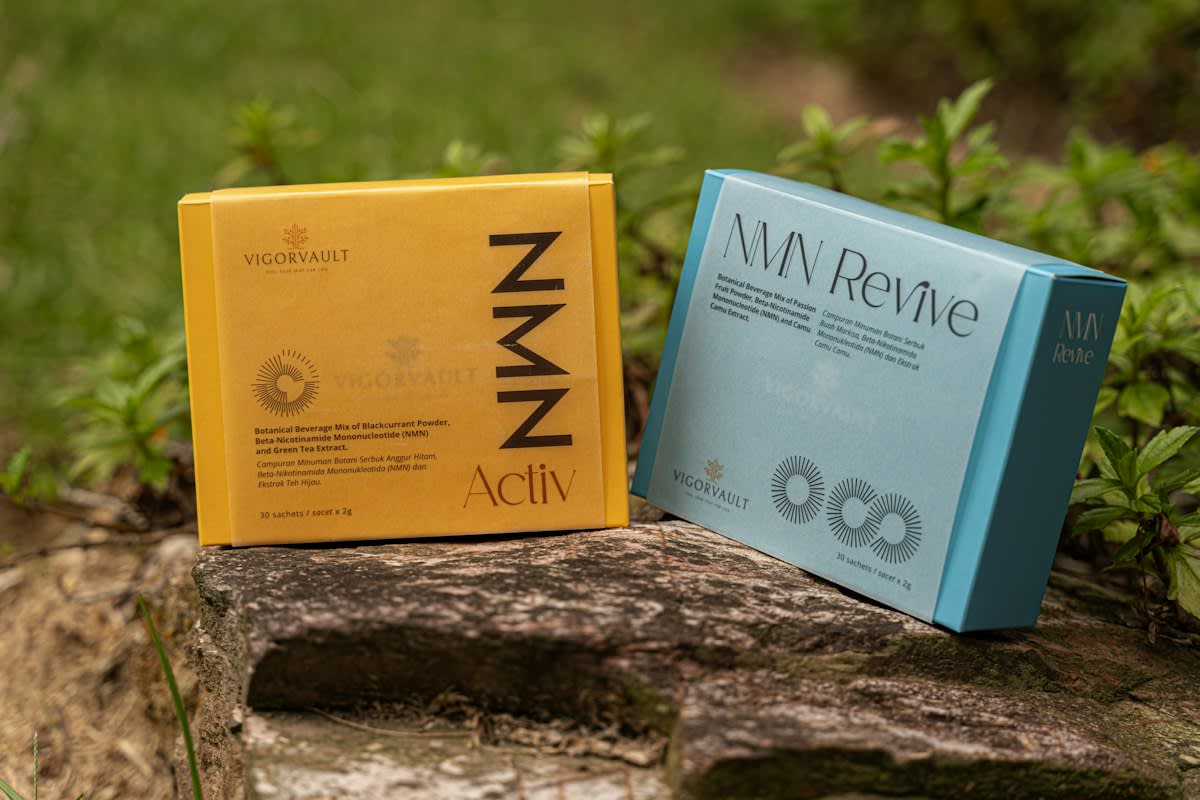
The collision between corporate branding and consumer trust is where most products fail. When a brand uses overly polished language, it triggers a default skepticism in the discerning buyer. They don't see professional marketing; they see a mask for low-quality ingredients or hidden fillers. To override this, you must integrate 'credibility signaling.' This means citing specific mechanisms or statistics in a way that rewards the audience's intelligence rather than talking down to them. It is the difference between saying 'our product is pure' and explaining the exact process used to eliminate seed oils or mold contaminants.
The NoLo Case: Value Beyond the Ingredient
The Non-Alcoholic and Low-Alcohol (NoLo) sector provides a masterclass in weighting perceived value. The value isn't just the absence of ethanol; it is the presence of a social tool. This is often achieved through 'alibi marketing,' where the product allows the user to maintain a social image while pursuing health goals. However, this strategy comes with a bottleneck. Without regulatory oversight, this type of marketing risks reinforcing parent alcohol brands and serving as a sensory gateway for adolescents (Source: MDPI, 2026). The practitioner's challenge is to balance the 'alibi' value with genuine physiological benefits to ensure long-term staying power.
"Crucially, without enhanced regulatory oversight, expanding NoLo availability and aggressive 'alibi marketing' risk reinforcing parent alcohol brands, normalizing drinking behaviors, and serving as a potential sensory gateway for adolescents."— MDPI, Critical Review on NoLo Beverages, 2026
Beyond the social alibi, the perceived value of NoLo products is being weighted by new health data. We are seeing a shift where these beverages are no longer just 'substitutes' but are valued for their own right. For example, regular non-alcoholic beer consumption has been linked to reduced anxiety, improved subjective sleep quality, and modest improvements in insulin resistance among overweight diabetic patients (Source: MDPI, 2026). When you lead with these specific, longitudinal outcomes, the perceived value shifts from 'avoidance of alcohol' to 'active health optimization.'
The Practitioner's Reality: The Friction of Authenticity
In the trenches, the biggest battle isn't with the consumer—it's with the internal brand guidelines. I have sat in countless rooms where the marketing team wants to 'clean up' a UGC video because the lighting is bad or the speaker stammers. This is a mechanical failure of understanding. To a discerning consumer, that stumble is the signal of truth. The friction between the desire for a 'premium' look and the need for 'authentic' proof is the primary bottleneck in modern value engineering. If the content looks like a commercial, the perceived value of the truth claim drops to zero. The real edge is found in the raw, the unpolished, and the vulnerable.

Furthermore, there is a constant tension regarding how much 'expert' data to include. Too much, and you sound like a clinical trial; too little, and you sound like a grifter. The sweet spot is 'momentary signaling.' You weave in a statistic—like the association between low-alcohol beer and lumbar bone mass density in older women (Source: MDPI, 2026)—not to lecture, but to reward the customer for being discerning. This creates a web of trust where the consumer feels they are discovering the truth alongside you, rather than being sold a narrative.
Common Pitfalls in Value Weighting
Many practitioners fall into the trap of 'feature stacking,' believing that adding more benefits will increase value. This often has the opposite effect, creating 'supplement fatigue' where the consumer becomes skeptical of the product's efficacy (Source: Motion, 2026). Instead of adding more, the goal should be to remove the 'toxic' elements—both literally (like seed oils) and figuratively (like corporate jargon). When you remove the fillers, the remaining value carries more weight.
- Over-polishing: Using high-production assets that trigger 'corporate' alarms in discerning buyers.
- Authority Overload: Relying on experts when the audience is craving peer validation.
- Vague Claims: Using terms like 'natural' or 'pure' instead of citing specific contaminants avoided (e.g., mold in coffee).
- Ignoring the Alibi: Failing to recognize the social utility of a product in favor of its functional utility.
Fact-Check & Accuracy Note
This guide relies on data from MDPI (2026) regarding NoLo beverage trends and physiological outcomes, and Motion (2026) regarding the psychological triggers of health-conscious consumers. There is ongoing professional debate regarding the long-term behavioral impact of 'alibi marketing' and whether it serves as a gateway to alcohol consumption for adolescents. Practitioners should monitor longitudinal real-world consumption patterns to adjust their strategies.