Operation underway to recover bodies from remote chopper crash site in Uttarakhand
Source Entity
India Latest News: Top National Headlines Today & Breaking News | The Hindu
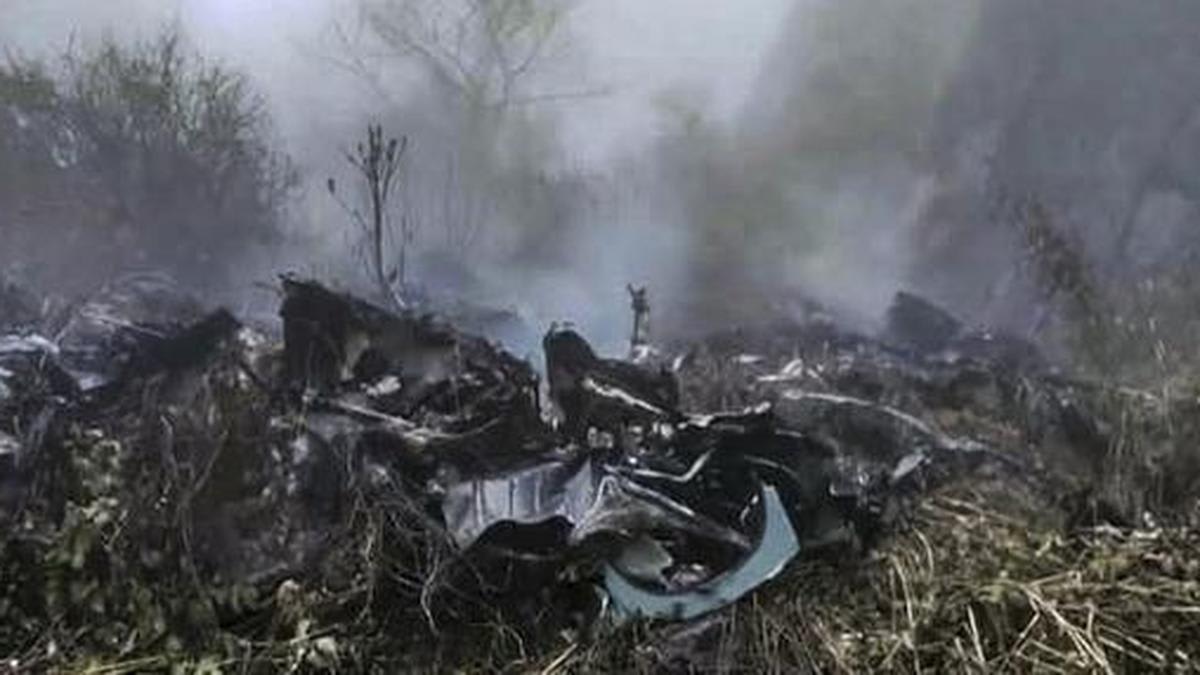
A helicopter operated by Trans Bharat Aviation crashed near Hathi Parvat in Uttarakhand's Chamoli district, killing all six people on board. The tragedy occurred during a flight from Badrinath to Dehradun amid adverse weather conditions.
Tragedy in the Himalayas: Helicopter Crash Near Joshimath
A tragic aviation accident occurred on Friday when a helicopter carrying six individuals crashed near Hathi Parvat in Uttarakhand’s Chamoli district. The aircraft, identified as a helicopter operated by Trans Bharat Aviation Pvt Ltd, was en route from Badrinath to Dehradun when it lost communication while flying over the Joshimath valley. The loss of tracking signals signaled a catastrophic event in a region known for its challenging topography and volatile weather patterns.
Victims and Personnel Involved
Reports have confirmed that the flight carried one pilot, identified as Captain Himanshu, and five passengers. The passengers have been identified as Prathapa, Arun, Shankar Gowda, Sudheer K, and HS Natraja. The sudden loss of contact prompted an immediate mobilization of emergency services, including the State Disaster Response Force (SDRF), the Indian Army, the Indo-Tibetan Border Police (ITBP), and local police, who were dispatched to the crash site to conduct rescue and recovery operations.
The Role of Adverse Weather
Preliminary assessments suggest that adverse weather played a significant role in the crash. The India Meteorological Department (IMD) had previously issued an orange alert for the Chamoli district, warning of thunderstorms, lightning, hail, and gusty winds reaching speeds of 40–50 kmph. The forecast specifically highlighted the likelihood of light rain and snowfall along the Badrinath-Joshimath sector, conditions that are notoriously difficult for aviation in high-altitude mountain corridors.
Challenges of High-Altitude Aviation
Operating helicopters in the Himalayas presents unique hazards. Pilots must contend with rapid changes in visibility, severe downdrafts, and unpredictable wind patterns caused by the mountainous terrain. The Joshimath-Badrinath sector is a critical transit route for pilgrims and tourists, but it remains one of the most demanding flight paths in India. The crash serves as a stark reminder of the inherent risks associated with aerial transport in such fragile and high-risk environments.
Search and Rescue Operations
Following the loss of communication and the disappearance of the aircraft from tracking systems, authorities deployed multiple assets to locate the wreckage. The coordination between the Uttarakhand Civil Aviation Development Authority (UCADA) and the various security forces highlights the complexity of search operations in the Hathi Parvat area. The steep, rugged terrain often delays ground teams, making aerial surveillance from other choppers a primary method for initial localization.
Broader Implications and Future Safety
This incident will likely trigger a formal investigation into flight safety protocols for private aviation companies operating in high-altitude zones. As the tourism and pilgrimage sectors in Uttarakhand continue to grow, the reliance on helicopter services increases. Future safety trends will likely emphasize more stringent weather-monitoring requirements and mandatory real-time tracking improvements to prevent similar communication failures in the future. The focus remains on understanding the sequence of events that led to the loss of the aircraft during this fatal flight.
Multiple Citing Sources
Verification Required?