After Theni, another jailbreak in Tamil Nadu — this time in Coimbatore
Source Entity
Arun Janardhanan
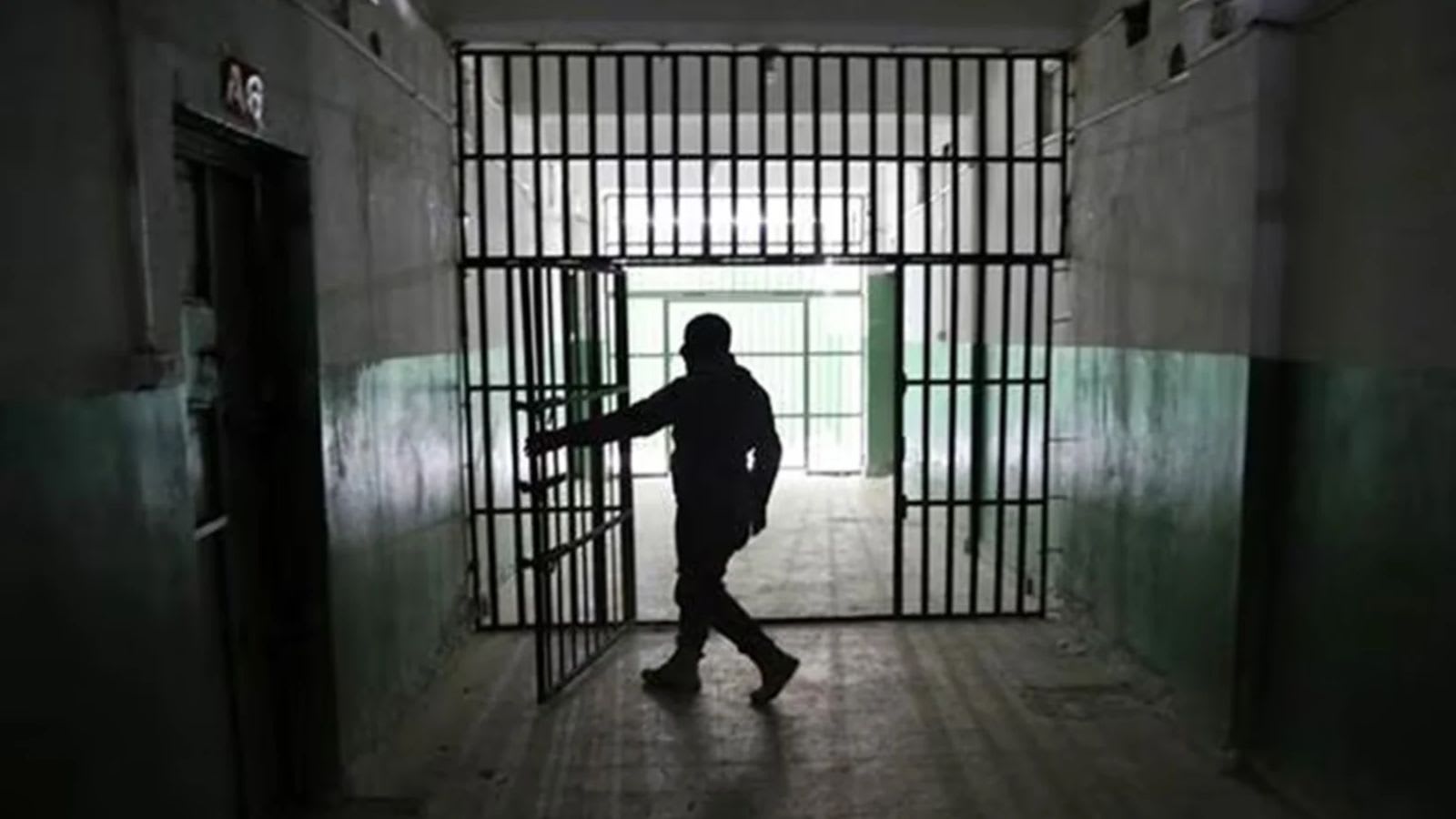
Two recent security breaches at Theni district jail and Coimbatore Central Prison have exposed significant vulnerabilities in Tamil Nadu's correctional facilities. Authorities are now grappling with issues of staff shortages and procedural lapses following the mass escape in Theni and the repeat offender incident in Coimbatore.
Security Vulnerabilities in Tamil Nadu Prisons: A Critical Analysis
The recent spate of security failures within the Tamil Nadu prison system, highlighted by the mass escape at Theni district jail and the subsequent breach at Coimbatore Central Prison, has cast a spotlight on the fragility of correctional oversight. On October 26, 2026, a group of 17 remand prisoners orchestrated a calculated escape from Theni jail by feigning an epileptic seizure, a ruse that exploited the limited resources and personnel available to monitor inmate populations during nighttime hours. While the swift apprehension of all 17 individuals within 42 hours by police teams and drone surveillance units demonstrates operational capability, the event itself remains a significant failure of preventive security.
The Anatomy of the Theni Jailbreak
The Theni incident was not merely a spontaneous act of desperation but a coordinated effort among inmates. Driven by the frustration of a remand prisoner, Prasanth, who remained incarcerated despite having secured bail due to an inability to provide a surety bond, the group capitalized on the perceived vulnerability of the jail's staff. By creating a diversion, the inmates exposed a critical weakness in the facility’s emergency response protocols. This incident underscores the broader systemic issues of prison overcrowding and the strain placed on staff who must balance medical necessity—such as responding to a potential seizure—with the imperative of maintaining secure custody.
Repeat Breaches in Coimbatore
Compounding the crisis, the escape of Raghavan from the Coimbatore Central Prison complex shortly after the Theni incident suggests a pattern of procedural negligence. Raghavan, a theft convict, managed to flee after his handcuffs were removed during the intake process between the prison's two-tier security gates. This marked his second escape in 24 hours and his third escape attempt within the calendar year. The fact that this occurred despite heightened alert levels following the Theni jailbreak indicates that existing security protocols are either insufficient or are not being rigorously enforced during the critical transition phase of prisoner admission.
Broader Implications of Systemic Failures
The recurring nature of these incidents points to deeper structural challenges, including chronic staff shortages and the logistical burden of managing high-risk individuals. The removal of restraints during the transfer process is a high-risk procedure that requires stringent oversight, yet the ease with which Raghavan was able to push past personnel and escape suggests a breakdown in basic tactical training. These events force a necessary evaluation of the 'two-tier' entrance systems in place, which, while designed to provide a buffer, appear to be failing when human error is introduced into the equation.
Future Trends and Reform Necessities
Looking forward, the Tamil Nadu prison administration faces an urgent need for comprehensive reform. The reliance on manual monitoring and the inherent risks of prisoner transport are becoming increasingly untenable in the face of modern security challenges. Future trends will likely necessitate an accelerated integration of biometric verification, enhanced surveillance technology, and stricter adherence to the 'no-restraint-removal' policy until a prisoner is fully secured within a cell block. Furthermore, the issue of remand prisoners like Prasanth, who remain incarcerated due to procedural hurdles like surety bonds, highlights the need for judicial reforms that might alleviate prison population density.
Conclusion
In conclusion, while the immediate containment of these escapees has been achieved, the underlying causes remain unaddressed. The combination of inmate ingenuity—as seen in the Theni deception—and administrative lapses in Coimbatore demands a shift toward more robust, technology-driven, and personnel-intensive security frameworks. Without systemic changes to how remand and convicted prisoners are processed and monitored, the risk of future breaches will remain a persistent threat to public safety and the integrity of the correctional system.