The Nashik Kumbh: A ₹34,700-crore vision of faith, power and development
Source Entity
Latest News: Todays Latest News Headlines from India & World | Hindustan Times
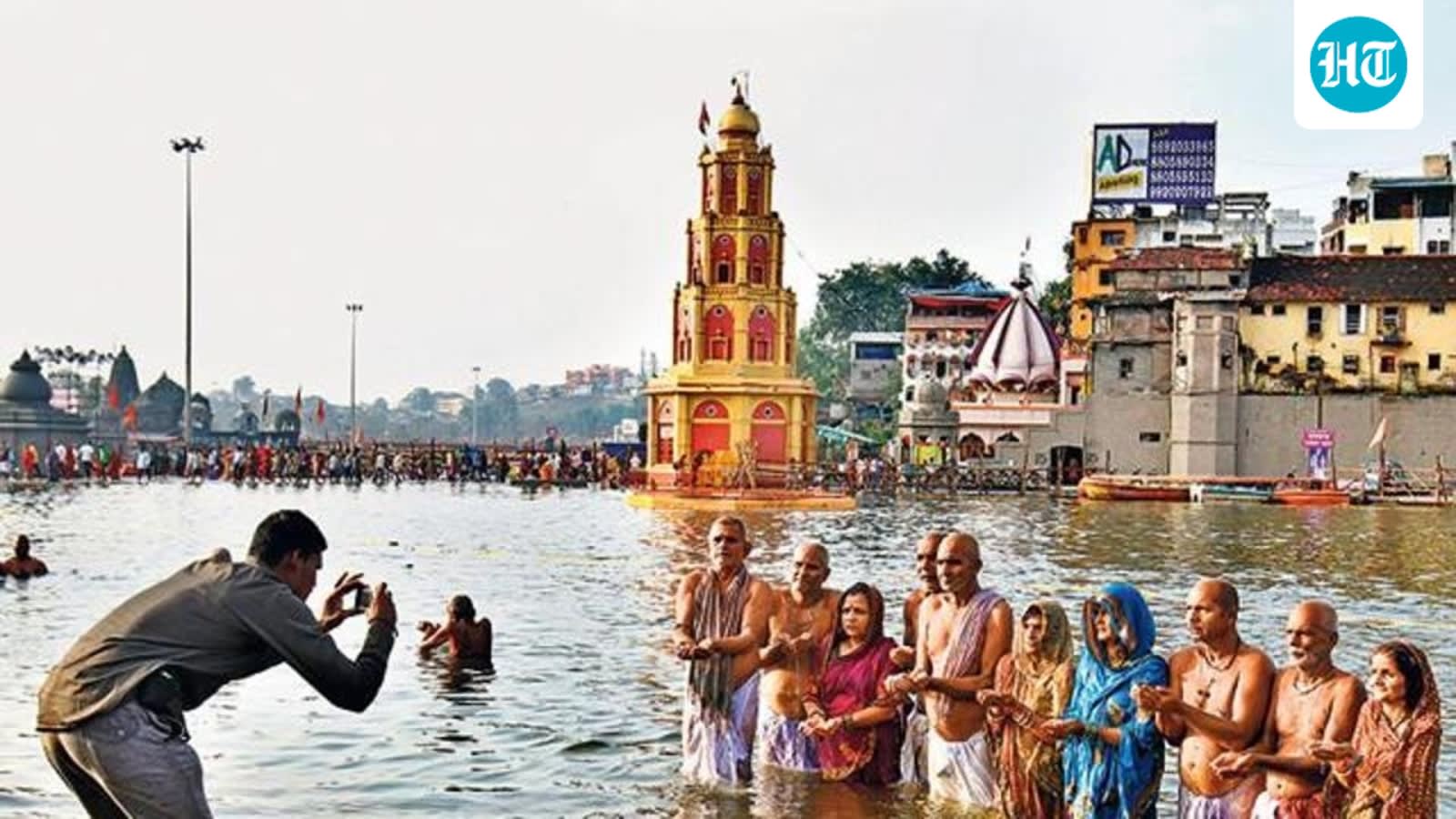
The Nashik Kumbh Mela is leveraging a ₹34,700-crore investment to transform local infrastructure into permanent assets. This shift aims to boost long-term tourism and urban development beyond the immediate religious event.
The Strategic Transformation of the Nashik Kumbh Mela
The planning for the Simhastha Kumbh Mela in Nashik has transcended the traditional scope of a religious gathering, evolving into a massive urban development initiative. By earmarking a significant ₹34,732-crore outlay, the government is attempting to redefine how India manages large-scale public events, moving away from temporary arrangements toward a model of long-term capital investment.
A Shift Toward Permanent Infrastructure
Central to this vision is the proposition that public spending should yield lasting dividends. Approximately 85% of the total budget is dedicated to permanent assets such as expanded road networks, robust sewage-treatment plants, and modernized railway stations. This strategy is designed to ensure that the district of Nashik is left with functional, world-class facilities long after the pilgrims have departed, theoretically mitigating the 'sunk cost' dilemma often associated with massive religious congregations.
Economic Implications and Regional Growth
Beyond the immediate logistical requirements of hosting millions, the government aims to establish Nashik as a premier global tourism destination. By upgrading critical transport corridors and public utilities, officials intend to stimulate local commerce and foster an environment conducive to sustained economic activity. The goal is to integrate the city into a broader regional economic framework that persists well past the conclusion of the event.
The Challenge of Uncertain Gains
Despite the ambitious nature of the project, the economic impact on local businesses and the potential social costs remain subjects of debate. While infrastructure serves as a catalyst for growth, the actual conversion of these assets into sustained tourism revenue requires continuous maintenance and strategic management. There is an inherent uncertainty regarding whether the localized boost in trade will survive the post-event decline in pilgrim volume.
Future Trends in Event-Driven Development
This approach signals a broader trend in Indian urban planning, where mega-events act as a vehicle for accelerated infrastructure modernization. If successful, the Nashik model could serve as a blueprint for other cities hosting major festivals, proving that religious and cultural events can be harnessed for permanent developmental advancement. However, the true measure of success will be the efficiency with which these new assets are integrated into the city’s daily life and their ability to attract consistent, non-pilgrim tourism in the years to come.
Verification Required?