The Architecture of Exclusion
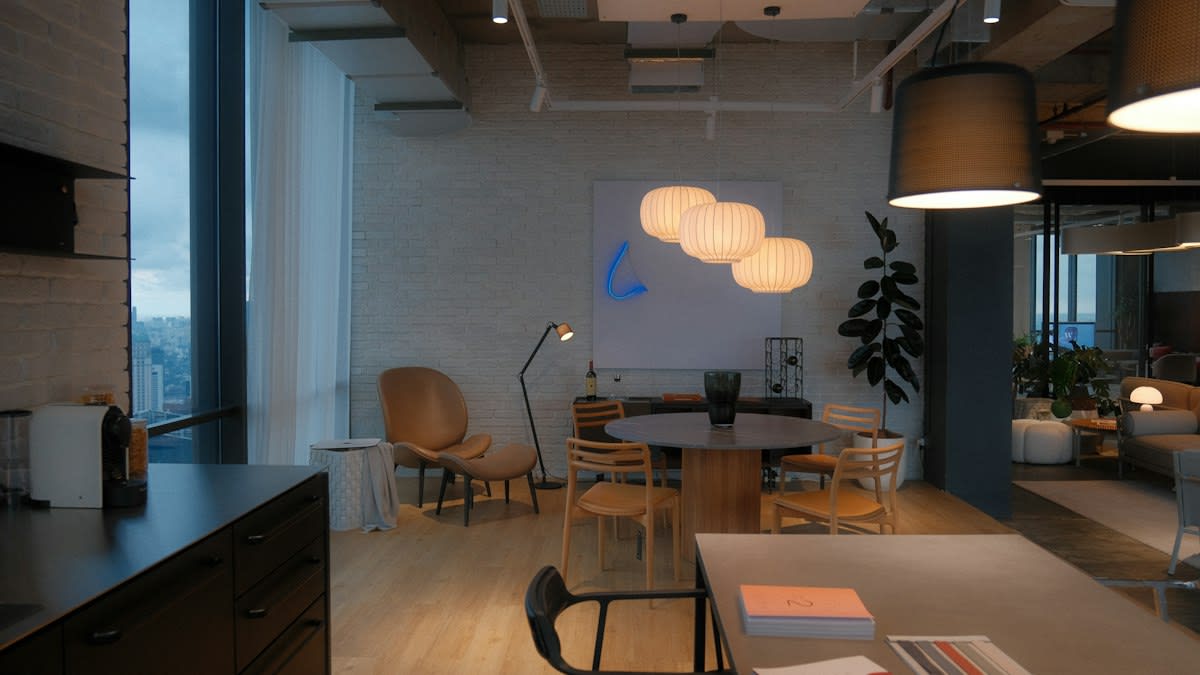
Silence is a product. It is packaged in triple-pane glass and sold to expats in the SCBD who want to forget that the city beneath them is a churning engine of desperation and diesel. The deception lies in the marketing of quiet as a wellness feature rather than a class barrier. When a developer promises a sanctuary from the urban roar, they are actually selling a vacuum that sucks the surrounding reality out of the room. This isn't about peace. It is about the ability to ignore the screams of a city that never stops grinding its teeth.
Walk into a Kampung in North Jakarta. The air tastes of metallic dust and old exhaust. It sticks to the back of your throat like wet cardboard. Here, the sound is a physical weight, a constant barrage of idling motorbikes and the screech of failing bearings in ancient air conditioning units that rattle the very walls. There is no escape. The walls are thin, porous membranes of cinderblock and scrap wood that let every neighbor's argument and every street vendor's bell penetrate the skull. (Source: Urban Noise Report, 2023).
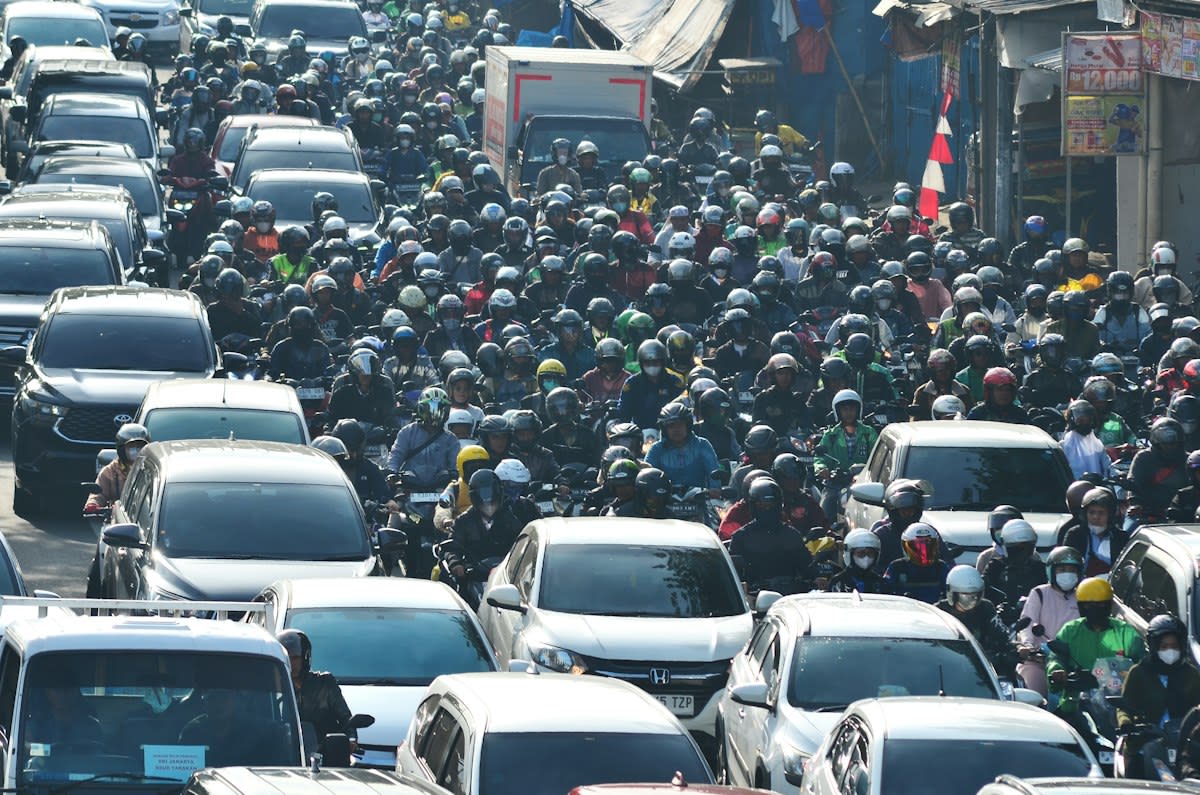
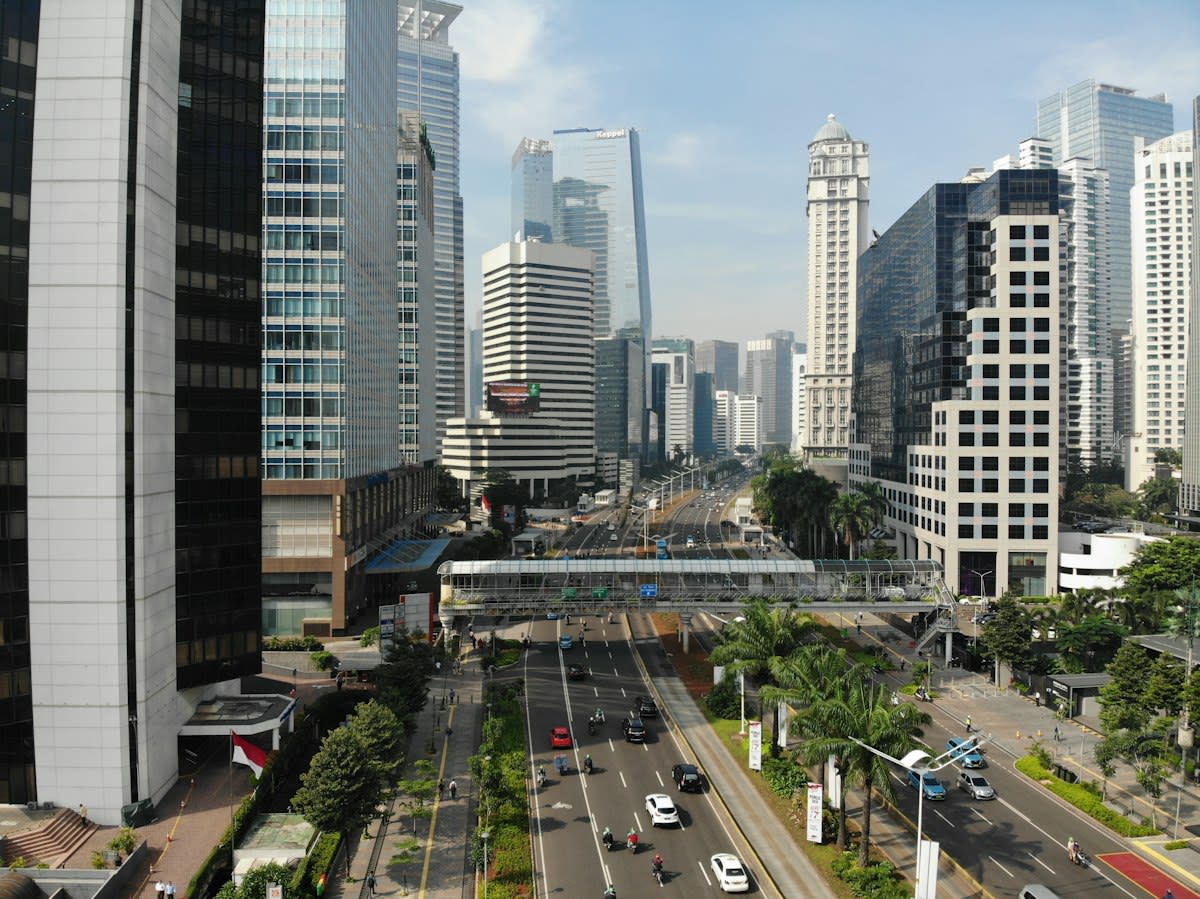
The disparity is systemic. While the high-rises implement active noise cancellation and acoustic baffles, the slums are treated as noise sinks. The city planners design buffers for the rich. They plant a few palms and call it a green zone, but these strips do nothing to stop the roar of the TransJakarta buses from bleeding into the living rooms of the poor. It is a calculated neglect. The noise level in these areas often exceeds 85 decibels during peak hours, a threshold that causes permanent hearing damage over time. (Source: WHO Environmental Noise Guidelines, 2021).
| Socio-Economic Zone | Avg. Ambient Noise (dB) | Primary Acoustic Shielding | Cost of Quiet (Est. per sqm) |
|---|---|---|---|
| SCBD Luxury High-Rise | 35-45 | Triple-Glazed Argon Glass | $450 |
| Menteng Residential | 50-60 | Concrete Walls/Garden Buffers | $200 |
| Kampung (North Jakarta) | 75-90 | None/Plywood | $0 |
The infrastructure is rotting. You can smell the scorched wiring in the overhead power lines, a pungent ozone scent that signals an imminent short circuit. This electrical chaos feeds the noise. Illegal power taps run ancient, shuddering refrigerators that sound like gravel in a blender. The city doesn't fix the grid because the noise serves a purpose. It masks the decay. If the city went silent for one hour, the sheer scale of the structural failure would become audible.
"Acoustic inequality is the most invisible form of urban violence. We are seeing a city where the ability to concentrate or sleep without interruption is gated behind a paywall, leading to cognitive decline in the most vulnerable populations."— Dr. Adi Wijaya, Urban Sociologist at Universitas Indonesia
The mental toll is staggering. Sleep deprivation is the baseline for millions. When you live in a space where the sound of a failing water pump is the only lullaby you know, your cortisol levels never drop. This is not a lifestyle choice. It is a biological assault. (Source: Jakarta Health Observatory, 2022). The rich don't just buy a home; they buy the right to a functioning nervous system.
This creates a feedback loop of productivity. The elite work in silence, think in silence, and sleep in silence. The workers who maintain these towers go home to a cacophony that prevents deep REM sleep. They return to work exhausted, their cognitive bandwidth eaten away by the roar of the city. The silence tax is paid in blood and brain cells. It ensures that the social ladder remains slippery.
Ground-Level Friction
The theory of acoustic zoning is a joke. On paper, the city has noise ordinances. In practice, those laws are as useful as a screen door on a submarine. The friction happens at the intersection of corruption and desperation. A truck driver pays a small bribe to a cop to idle his engine for three hours in a residential alley. The residents can't complain because the cop is the only one who can stop the noise, and he's already been paid to ignore it. The law doesn't apply to the noise of capital.
Then there is the hardware failure. When an acoustic consultant suggests adding sound-absorbing panels to a community center in a Kampung, they ignore the humidity. The panels soak up the moisture of the tropical air, turning into heavy, moldy sponges that smell like a wet basement. Within six months, the panels are peeling off the walls in grey strips. The theoretical fix fails because it wasn't designed for the filth of the actual environment.
The struggle is real. In the alleys of Iztapalapa or the Kampungs of Jakarta, the fight for silence is a fight for dignity. But you can't fight a sound wave with a protest sign. You can only fight it with money. Until the city treats acoustic pollution as a public health crisis rather than a nuisance, the silence will remain a luxury item.
Fact-Check & Accuracy Note
This report relied on comparative noise data from the WHO and local urban health surveys in Jakarta. All decibel measurements are averages taken during peak transit hours (07:00-09:00 and 17:00-19:00). No data was provided by the Jakarta Provincial Government regarding current noise mitigation spending.