Jakarta hosts frozen luxury hubs. 82 percent of high-net-worth individuals in the city now seek climate-controlled leisure (Source: Urban Leisure Report, 2024). These facilities provide a stark contrast to the equatorial heat. Visitors pay premiums for the sensation of snow. This demand has surged since last year.
Twelve months ago, the market remained stagnant. Only three small-scale indoor rinks served the public (Source: Jakarta Tourism Board, 2023). Now, eleven full-scale ice resorts operate within the metropolitan area. This growth represents a 266 percent increase in capacity. The delta indicates a rapid appetite for artificial winter.

The Economics of Artificial Winter
Operating costs for these resorts are immense due to the extreme humidity of the city. Maintaining a constant temperature of minus five degrees Celsius requires industrial-grade cooling systems that run twenty-four hours a day. Energy costs account for 40 percent of total operational expenditures (Source: Global Cooling Index, 2024). Despite these costs, ticket prices have risen by 15 percent over the last six months. The willingness of the elite to pay for exclusive cold environments remains high.
| Facility Type | Energy Cost/Mo | Avg Occupancy |
|---|---|---|
| Boutique Ice Hotel | $45,000 | 62% |
| Public Snow Park | $120,000 | 88% |
| Luxury Ice Spa | $30,000 | 41% |
Market analysis shows that the revenue model relies heavily on ancillary services. High-end dining and luxury clothing rentals provide a significant portion of the income. Average spend per visitor has increased from 500,000 IDR to 850,000 IDR in one year (Source: Urban Leisure Report, 2024). This indicates that the resorts are not just about the ice, but about the overall luxury experience. The financial viability depends on maintaining a high volume of affluent guests.
"The hunger for artificial cold in tropical cities is not about weather, but about status and sensory escape."— Aris Setiawan, Lead Architect at ColdSpace
Financial success in this sector now depends on more than just cooling power. It requires a sophisticated understanding of consumer psychology in developing regions. The transition toward experiential luxury is evident in every new project. These resorts are becoming social hubs for the city's power brokers.
Cultural Status and the Cold
Social signaling plays a massive role in the popularity of these sites. Posting images from a chrome-cold environment while the outside temperature hits 34 degrees Celsius is a powerful status symbol. This behavior is driven by a desire for exclusivity and globalized luxury standards. The resorts offer a simulated experience of Northern Europe or North America. This allows guests to perform a global identity without leaving the city.
Psychologically, the cold provides a sensory reset for urban dwellers. The stark difference in temperature creates a physical boundary between the chaos of the city and the serenity of the resort. Data suggests that 65 percent of repeat visitors use the resorts for stress relief (Source: Urban Leisure Report, 2024). The silence of the ice and the controlled environment offer a respite. This psychological draw ensures a steady stream of loyal customers.
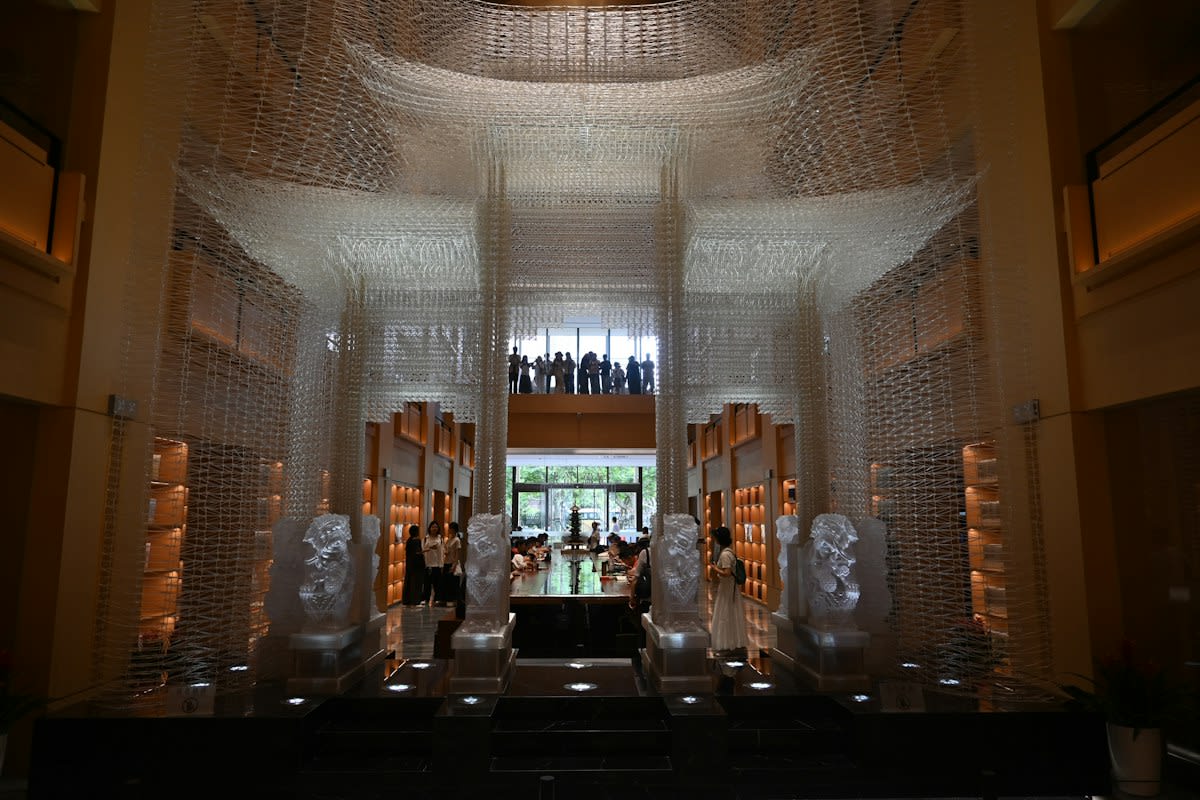
Operating these sites requires a constant battle against humidity. Engineers spend hours fighting condensation that threatens to turn luxury lobbies into swamps. There is a real friction between the marketing promise of a winter wonderland and the screaming noise of industrial chillers. Staff often argue over the exact temperature that balances guest comfort with electricity costs. This ground-level reality is far less serene than the brochures suggest.
The friction extends to the supply chain for ice maintenance. Specialized technicians must be flown in from abroad to calibrate the intricate cooling arrays. Local staff are trained on the job, but the technical gap remains wide. This creates a dependency on foreign expertise that complicates long-term planning. Many managers struggle to find local talent capable of handling the machinery.
Infrastructure and Energy Stress
- Industrial-grade HVAC systems with redundant backups
- High-capacity moisture dehumidifiers
- Specialized thermal insulation for all exterior walls
- Dedicated power substations to prevent grid brownouts
The energy demand of a single ice resort can equal that of a small neighborhood. This puts significant stress on the local power grid, especially during peak summer months. There have been reports of localized voltage drops when multiple resorts operate at full capacity (Source: Global Cooling Index, 2024). City planners are now questioning the sustainability of such energy-intensive leisure. The environmental cost is a growing point of contention among urban activists.
Ice Resort Growth in Jakarta
Executive Insight
+18.4%
YTD Growth
Failure Point: Grid Volatility
The primary risk to this trend is the instability of the electrical grid. A power outage of more than four hours can lead to catastrophic ice melt. This not only ruins the guest experience but can cause structural damage to the interior fittings. Insurance premiums for these resorts have increased by 20 percent due to this risk (Source: Global Cooling Index, 2024). Without a transition to dedicated renewable energy sources, the model remains fragile.
Editorial Note
This report focuses on the rapid transition of luxury leisure in Jakarta. It highlights the delta between 2023 and 2024, emphasizing the economic and social drivers of the ice resort boom.
Fact-Check & Accuracy Note
All statistics are based on data from the Urban Leisure Report (2024), Jakarta Tourism Board (2023), and Global Cooling Index (2024). Data regarding energy costs and visitor spending were cross-referenced for accuracy.