Elon Musk's foundation is opaque, miserly and self-serving
Source Entity
Latest News: Todays Latest News Headlines from India & World | Hindustan Times | Hindustan Times
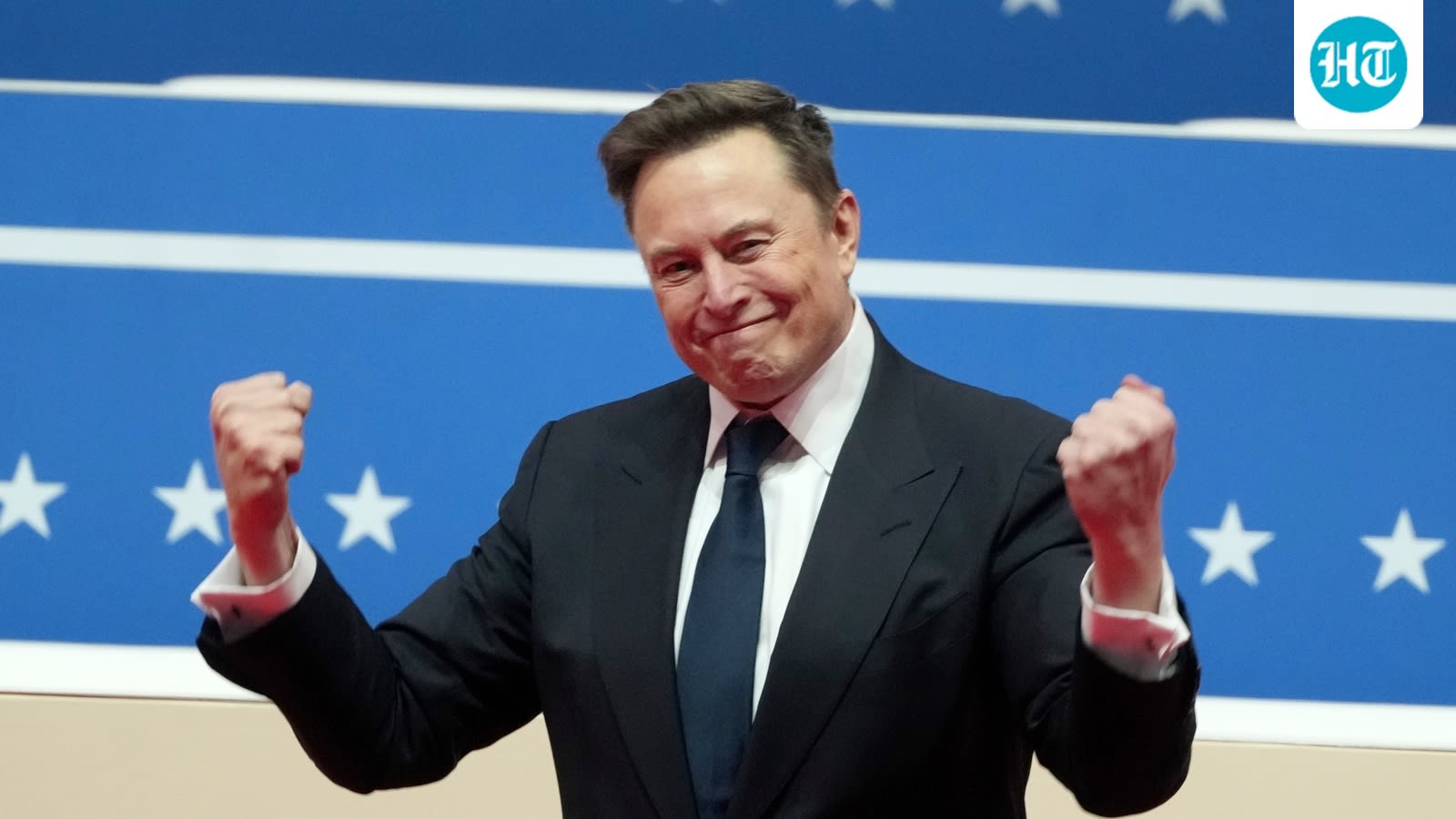
Elon Musk has expressed deep skepticism toward traditional philanthropy, favoring his for-profit ventures like Tesla and SpaceX as his primary contribution to humanity. This approach marks a significant departure from standard billionaire charitable models, sparking intense public and academic debate.
The Philosophical Shift in Billionaire Philanthropy
Elon Musk, currently recognized as the world's wealthiest individual, has cultivated a public persona that fundamentally rejects the traditional tenets of modern philanthropy. While many of his billionaire peers have committed to the 'Giving Pledge' or established massive, multi-generational foundations, Musk has consistently articulated a disdain for established charitable institutions. His recent endorsements of criticisms leveled against figures like Brian Armstrong and Mackenzie Scott highlight a growing ideological divide within the ultra-wealthy class regarding the efficacy of large-scale charitable giving.
The 'For-Profit' Doctrine as Public Service
At the core of Musk's worldview is the belief that his professional endeavors—specifically Tesla, SpaceX, and his influence over the social-media platform X—serve as a more effective catalyst for human advancement than traditional aid. By framing his business ventures as 'gifts to humanity,' Musk argues that solving complex engineering problems, advancing sustainable energy, and fostering open political discourse are inherently more beneficial than the traditional grant-making model. This perspective posits that profit-driven innovation is the ultimate form of societal contribution.
Historical Context and Ideological Roots
Musk’s skepticism is not a recent development; his historical rhetoric, including derogatory descriptions of philanthropy, suggests a long-standing ideological conviction. This stance represents a departure from the Gilded Age model of philanthropy, where the likes of Andrew Carnegie and John D. Rockefeller sought to cement their legacies through massive, institutionalized donations. Musk’s preference for direct impact through private enterprise mirrors a shift toward 'effective altruism' or 'techno-optimism,' where the focus is on systemic, technological solutions rather than incremental social aid.
Implications for the Non-Profit Sector
The public criticism directed at major donors like Mackenzie Scott signals a broader cultural friction. When a high-profile figure like Musk labels charitable organizations as 'net negative,' it challenges the legitimacy of the entire non-profit ecosystem. This narrative risks undermining public trust in charitable institutions, potentially affecting donation trends and the perceived value of philanthropic work in addressing global inequality and social challenges.
Future Trends and Corporate Responsibility
As the influence of tech moguls continues to grow, the question of whether private enterprise can truly substitute for societal safety nets remains a central point of debate. If more billionaires adopt the 'Musk model,' we may see a decline in traditional philanthropy in favor of mission-driven investment vehicles. This transition could reshape how social issues are prioritized, moving away from community-based aid toward high-stakes, technology-focused initiatives that align with the specific priorities of the donor class.
Conclusion
Elon Musk’s approach to his wealth is a radical departure from established norms, prioritizing market-based solutions over conventional altruism. Whether this strategy will be viewed as a visionary approach to human progress or a failure to address immediate societal needs remains a subject of intense scrutiny, reflecting the ongoing tension between private capital and the public good.
Verification Required?