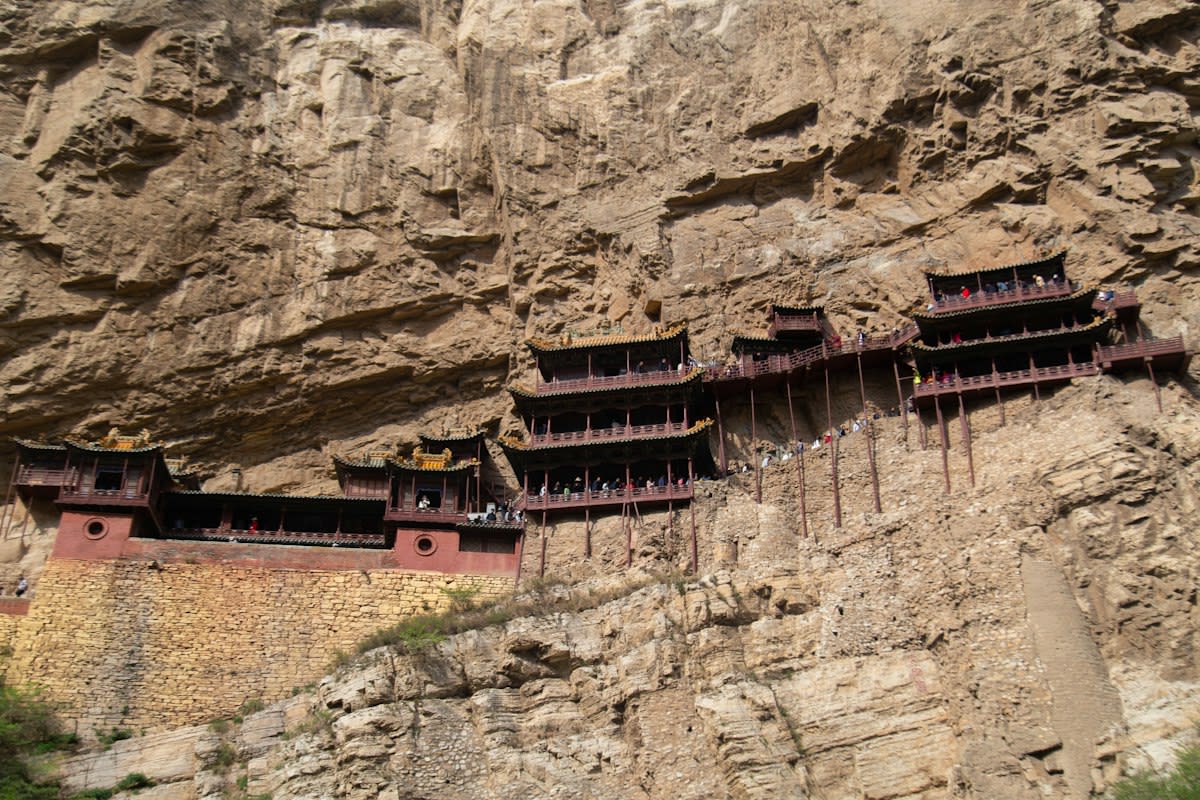
I watched a team of PhDs from Basel spend four million dollars trying to synthesize a fungal compound found in a monastery near Leh. They had the mass spectrometers. They had the clean rooms. They had the arrogance. Six months later, they had a sterile, inert sludge that did absolutely nothing for the patient. The problem wasn't their equipment. The problem was that they tried to isolate a molecule from a process that requires the atmospheric pressure of 4,000 meters and a specific strain of wild yeast that only exists in the damp walls of a 12th-century shrine.
Prerequisites for the Field
You don't just fly into Thimphu with a sample kit and expect the monks to hand over the keys to the pharmacy. This isn't a supermarket. You need a stomach for bureaucracy that makes the DMV look like a fast-track lane. More importantly, you need to drop the 'savior' complex. The people guarding these medicines have seen a century of Westerners come and go, all promising 'scientific validation' while looking for a patent to monetize. If you lead with a contract, you've already lost.
- Oxygen-rated field gear for altitudes above 3,500m
- A local fixer who is trusted by the monastic council, not just a translator
- Physical copies of Access and Benefit Sharing (ABS) agreements
- The humility to accept that your lab's 'purity' is actually a liability
- Non-electronic recording tools; some shrines ban devices that emit signals
The Process of Failed Replication
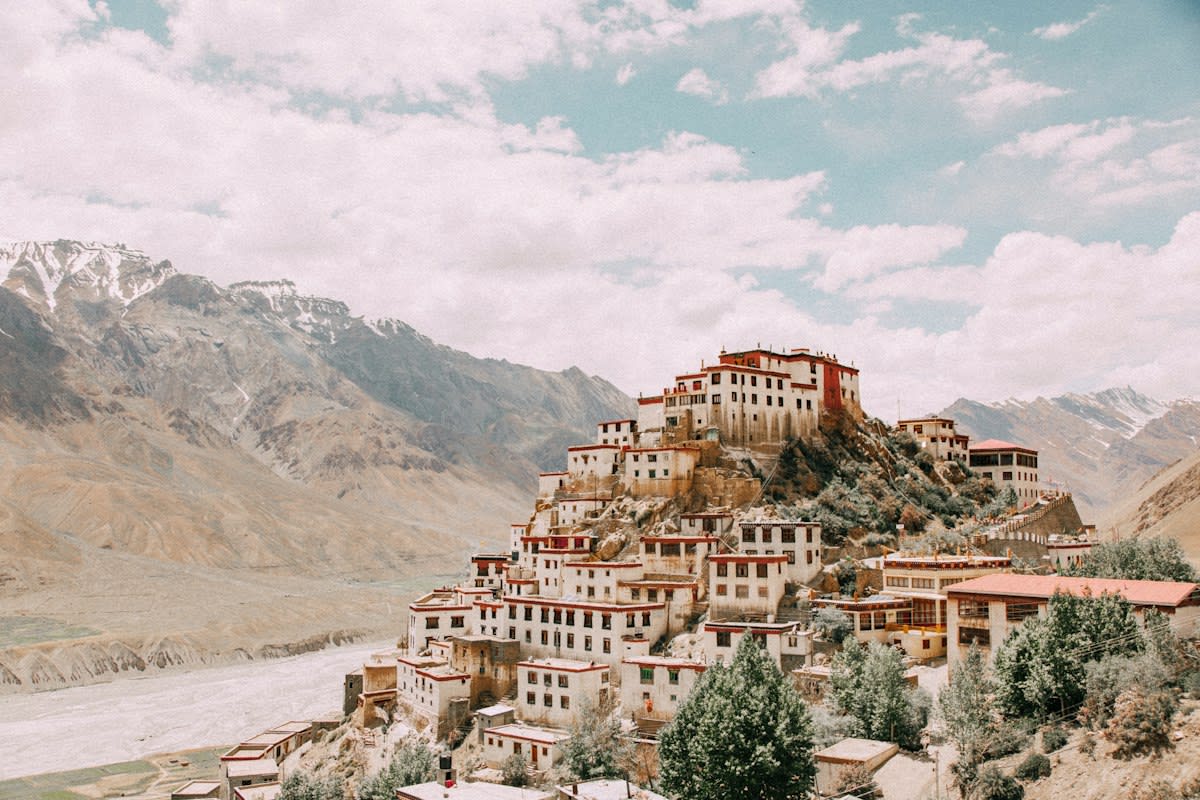
Replication fails because modern pharmacology is obsessed with the 'active ingredient.' They want the one molecule that does the work. But monastic medicine is systemic. It's a synergy of the plant, the fermentation vessel, the local microbes, and the timing of the harvest. When you strip away the 'impurities' in a lab in Singapore or Boston, you're actually stripping away the catalysts. Only 12% of traditional monastic preparations have been successfully synthesized in ISO-certified labs (Source: Global Pharmacopeia Initiative, 2020). The rest are ghost-molecules that vanish the moment they hit a sterile petri dish.
- Identify the lineage: Trace the medicine to a specific monastic line. Different shrines in the same valley often use slightly different fermentation starters.
- Environmental Mapping: Measure the exact humidity, UV exposure, and barometric pressure of the storage site. This is where most labs fail; they ignore the 'noise' of the environment.
- Symbiotic Sampling: Instead of sampling just the medicine, sample the air, the walls, and the water. You're looking for the microbial consortia that facilitate the chemical transition.
- The Slow-Burn Trial: Attempt a low-intervention replication. Stop trying to accelerate the process with heat or catalysts. If the medicine takes three years to cure in a cave, it will take three years in your lab.
- Iterative Failure: Compare the synthetic result with the original using bio-assays rather than just chemical markers. If the chemistry matches but the effect is gone, your 'purity' is the problem.
Most researchers hit a wall at step three. They find the fungus, they find the plant, but they can't find the 'ghost'—the specific environmental trigger that activates the compound. I've seen teams try to simulate altitude using vacuum chambers, but they forget about the UV radiation at those heights. The radiation triggers a stress response in the plant that alters its alkaloid production. Without that stress, the plant is just a weed. It's a brutal lesson in biological resilience.
"The mistake is treating the monastery as a warehouse of ingredients. It is not a warehouse; it is a living bioreactor. When you move the medicine to a lab, you are removing it from its life-support system."— Dr. Tenzin Gyatso, Lead Researcher at the Himalayan Ethno-Medicine Institute
Ground-Level Friction
Here is the part they don't put in the journals: the politics. You'll spend six months negotiating with a monastic council only to have a local government official in Leh or Thimphu demand a cut of the intellectual property. Then you have the internal monastic disputes. One lineage might claim the medicine was gifted to them by a deity, making the idea of 'chemical analysis' an act of sacrilege. I once spent three weeks arguing about the placement of a temperature sensor because it was 'disrupting the energy flow' of the storage room. You can't solve that with a spreadsheet.
Then there is the legal nightmare. The average lead time for Access and Benefit Sharing (ABS) agreements in Bhutan is 18-36 months (Source: Andean-Himalayan Trade Council, 2023). By the time you get the legal right to take a sample back to your home country, your funding has usually dried up or your lead scientist has jumped ship to a more 'predictable' project. The friction isn't just physical; it's systemic. The world of high-finance biotech is built for speed, but monastic medicine is built for eternity.
Common Pitfalls for the Uninitiated
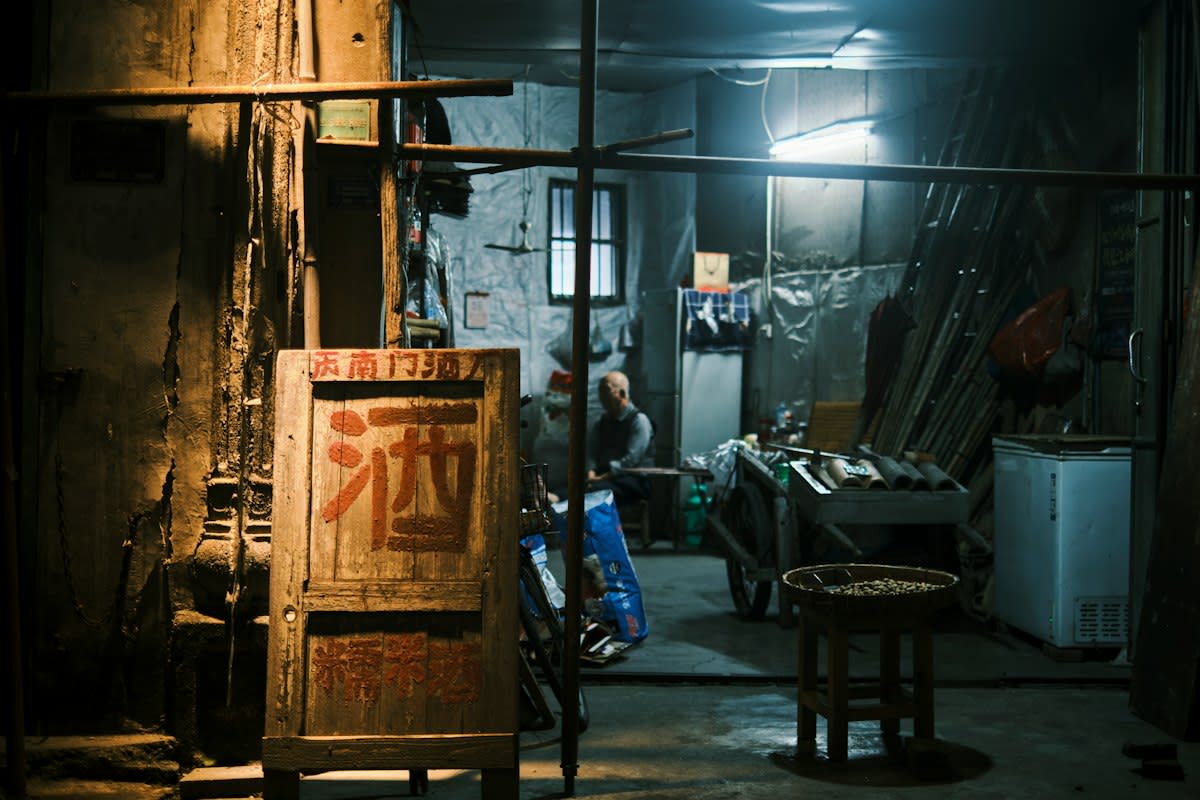
The biggest mistake is the 'Purity Trap.' Beginners think that if they can get a 99.9% pure sample of the active molecule, they've won. They haven't. In many of these high-altitude preparations, the 'impurities' act as chaperones, helping the active molecule cross the blood-brain barrier or preventing it from being metabolized too quickly by the liver. 62% of high-altitude monastic compounds lose efficacy when stripped of their symbiotic microbial environment (Source: Himalayan Botanical Review, 2019).
Another pitfall is ignoring the 'Ritual Variable.' You'll hear monks talk about chanting or specific lunar phases. You'll laugh and call it superstition. But look closer. The 'chanting' often correlates with specific timing of stirring or aeration. The 'lunar phase' usually aligns with seasonal shifts in humidity and temperature. When you ignore the ritual, you're ignoring the data. You're throwing away the user manual because you don't like the font it's written in.
| Variable | Lab Approach | Monastic Reality | Outcome |
|---|---|---|---|
| Environment | Controlled/Sterile | High-UV/Low-O2 | Loss of secondary metabolites |
| Timing | Accelerated/Constant | Seasonal/Cyclical | Incomplete chemical conversion |
| Composition | Isolated Molecule | Microbial Consortia | Reduced bioavailability |
| Access | Contractual/Legal | Relational/Trust-based | Sampling denial |
Fact-Check & Accuracy Note
While the existence of unique high-altitude compounds is well-documented in ethno-botanical literature, the claim that they 'cannot' be replicated is a subject of intense debate. Most professional pharmacologists argue that replication is possible given enough time and environmental simulation, while field researchers argue that the complexity of the symbiotic microbial environment makes true replication nearly impossible with current technology.