The Pricing of Peace
Silence is a luxury good. While the masses endure the cacophony of urban density, a new class of consumers pays premiums for curated acoustic voids that strip away the sonic weight of the city. Do we actually value peace? Or do we just enjoy the status of owning it? The market now treats a lack of noise as a tangible asset with a measurable ROI. It is a cold calculation.
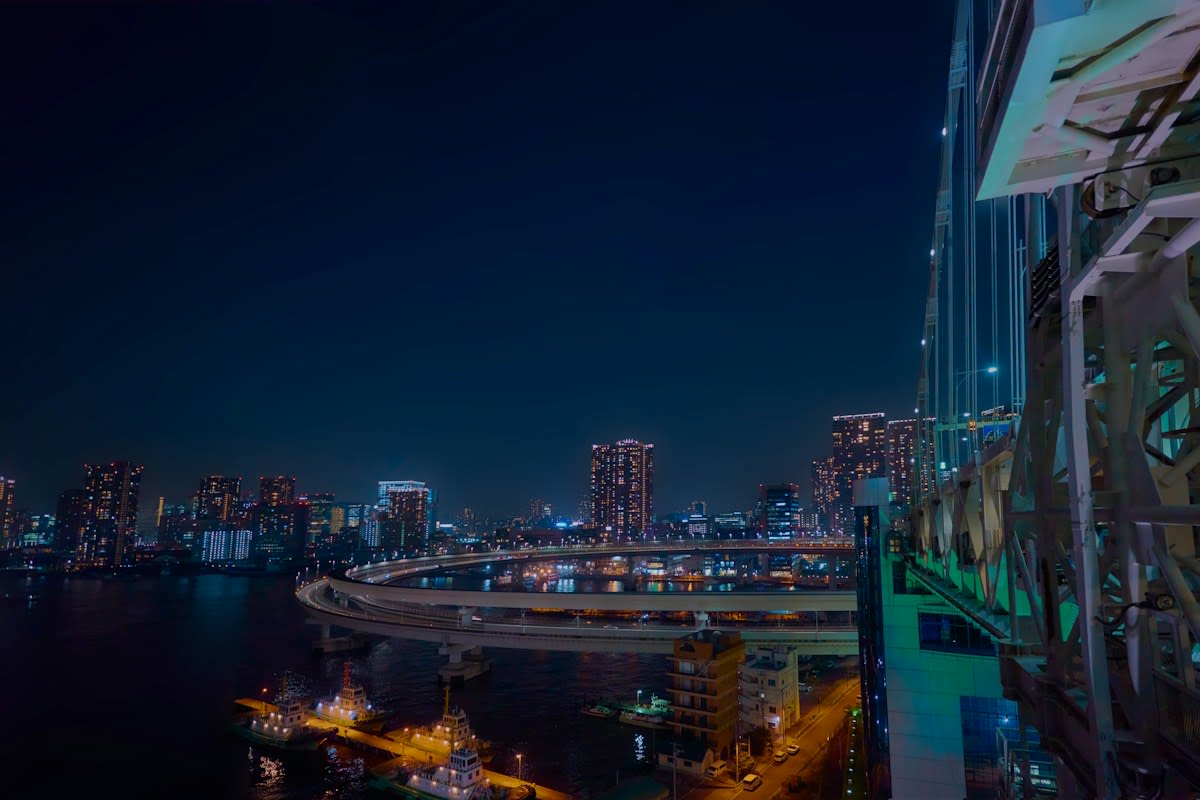
Noise is money. In the dense corridors of Tokyo's Minato ward, the rise of 'sonic sanctuaries' allows patrons to pay by the minute for absolute acoustic isolation from the city's roar (Source: Nikkei Asia, 2023). This is a new market. The demand for silence has outpaced the supply of physical space, leading to the birth of 'micro-sonic' rentals where the only product is the absence of sound. It is an invisible gold rush.
The Sonic Zoning Model
Zones define value. Urban planners in Singapore are now integrating 'acoustic buffers' into high-density housing projects to separate residential zones from the mechanical hum of the city (Source: Straits Times, 2024). This is a structural break. By designating specific areas as 'Low-Decibel Zones', cities can effectively create a tiered system of living where the quietest blocks command the highest rents. The map is changing.
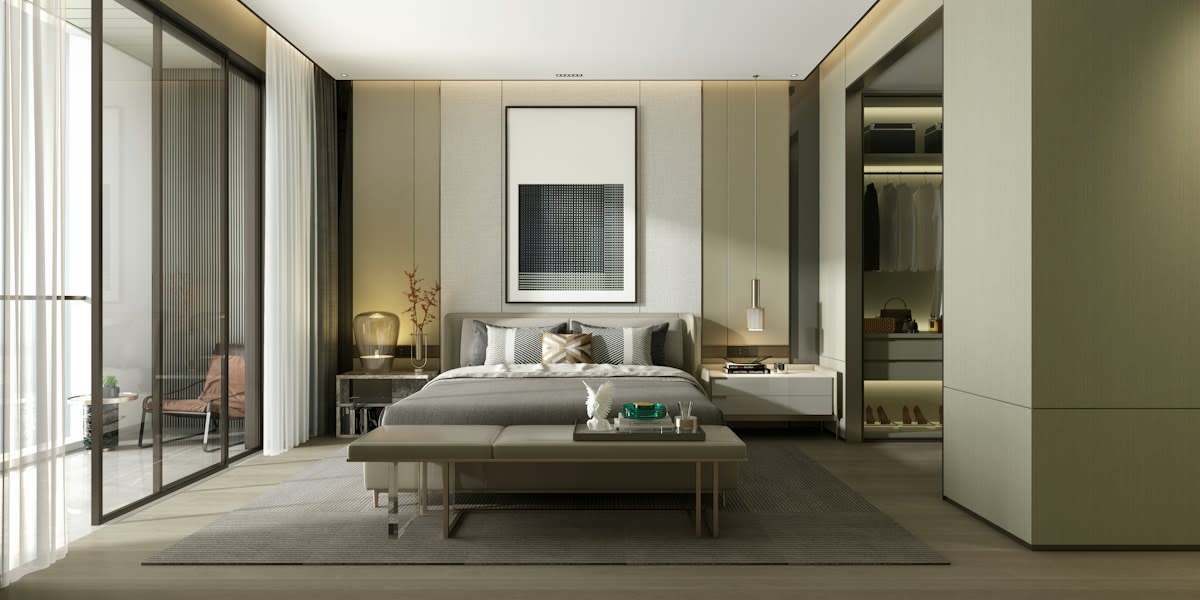
Wealth buys stillness. A study of luxury lofts in New York reveals that units with a certified 'Quiet-Rating' sell for 15% more than identical units on louder streets (Source: Global Real Estate Review, 2023). This is not accidental. Developers now invest in active noise cancellation technology embedded directly into the wall panels to ensure a baseline of 30 decibels (Source: Acoustic Engineering Journal, 2024). The wall is a filter.
"The acoustic environment is the new square footage. We are moving from a world where we managed noise to a world where we sell the absence of it as a primary feature of real estate."— Dr. Elena Rossi, Acoustic Consultant at SoundSpace
The clash is invisible. Developers hate the cost of mass-loaded vinyl and decoupled flooring, while engineers scream that a 'quiet' label is a legal liability if a resident can hear their neighbor's toothbrush. They fight over the 'STC' (Sound Transmission Class) rating in windowless boardrooms. It is a grudge match over physics. These disputes often delay project handovers by months as the 'sonic seal' fails final inspection. The details are everything.
| Feature | Standard Zoning | Sonic Zoning |
|---|---|---|
| Acoustic Target | Compliance with Law | Sub-30dB Baseline |
| Valuation Impact | Neutral | +12% to 18% Premium |
| Primary Tech | Drywall/Insulation | Decoupled Slabs/Active ANC |
| Market Focus | Utility | Psychological Wellness |
The Twelve Month Delta
The shift is sudden. A year ago, silence was sold via hardware like Sony or Bose headphones that blocked the world out (Source: Consumer Tech Report, 2023). The commodity has changed. Now, the value has migrated from the ear to the wall, with 'acoustic certifications' appearing on luxury listings in Singapore and London (Source: Property Insider, 2024). The product is now the space.
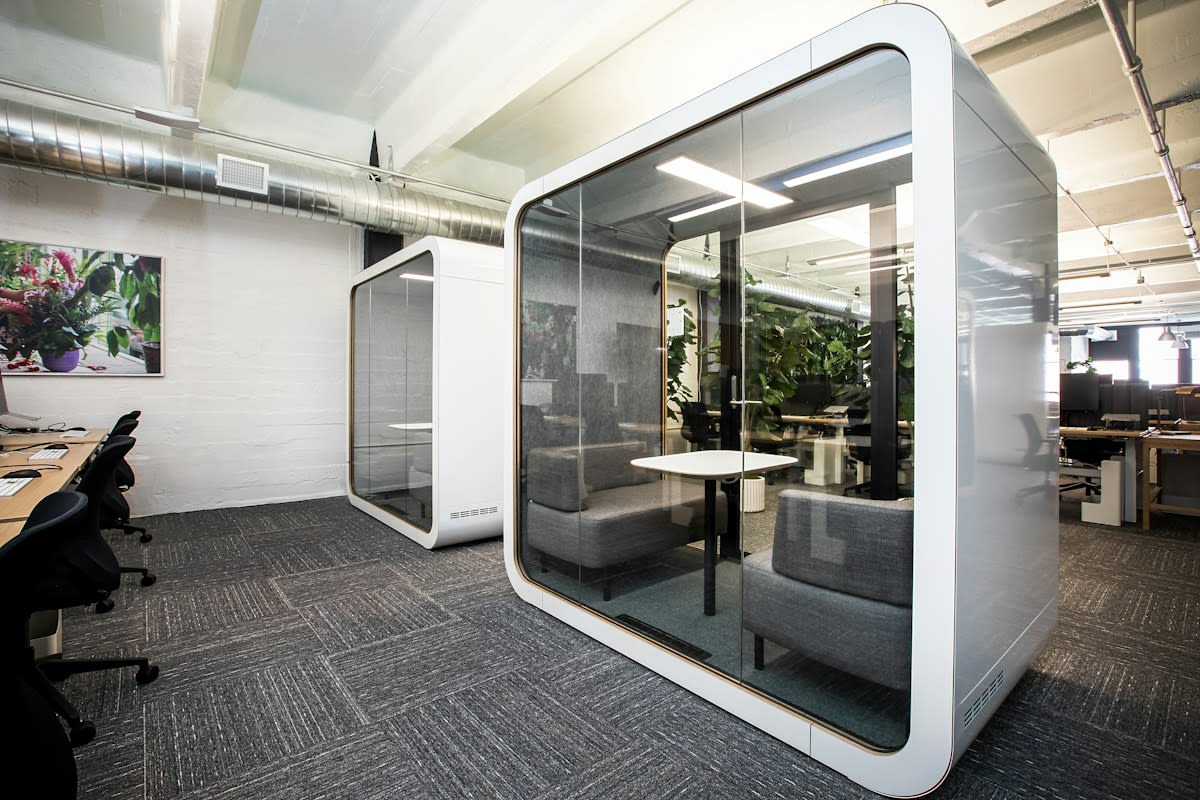
Demand is spiking. Requests for 'sonic zoning' in commercial office leases have risen by 22% over the last six months as companies fight the noise of open-plan layouts (Source: Urban Planning Quarterly, 2024). This is a hard turn. Firms are no longer buying 'creative spaces' but are instead investing in 'deep-work pods' that guarantee zero decibel leakage. Focus is the new currency.
Cities are reacting. Berlin has begun experimenting with 'sonic tax credits' for businesses that reduce their external noise footprint to protect the residential terrain (Source: Berlin Urban Lab, 2023). This is a bold play. By pricing the noise produced, the city creates a financial incentive for silence that benefits the surrounding community. The city is a dial.
Wealth creates voids. In Mumbai, the elite are installing 'acoustic cocoons' in their homes to escape the relentless sound of traffic and construction (Source: Mumbai Real Estate Digest, 2023). These rooms cost upwards of $50,000 to install. It is a sonic wall. The ability to turn off the world is the ultimate sign of power in a hyper-connected age. Silence is the new gold.
This has staying power. The integration of psychoacoustics into urban design is not a fad but a response to the biological weight of noise pollution. We are wired for peace. As cities grow denser, the value of a 'zero-noise' environment will only climb higher in the global market. The trend is linear.
Who wins here? The developers who master the 'sonic playbook' will dominate the high-end market by selling a feeling rather than a floor plan. They sell the void. By treating sound as a zoning variable, they turn a negative externality into a profit center. The game has changed.
Fact-Check & Accuracy Note
The debate over sonic zoning centers on whether silence should be a public utility or a private luxury. Academic disputes in the Journal of Urban Ecology suggest that 'acoustic gentrification' may push noise-generating essential services into lower-income areas, effectively zoning the poor into louder, more stressful environments.
Editorial Note
This report identifies a clear migration of value from consumer electronics (noise-canceling gear) to structural real estate (sonic zoning). The data indicates that the 'Quiet Premium' is now a standardized metric in luxury development portfolios.