
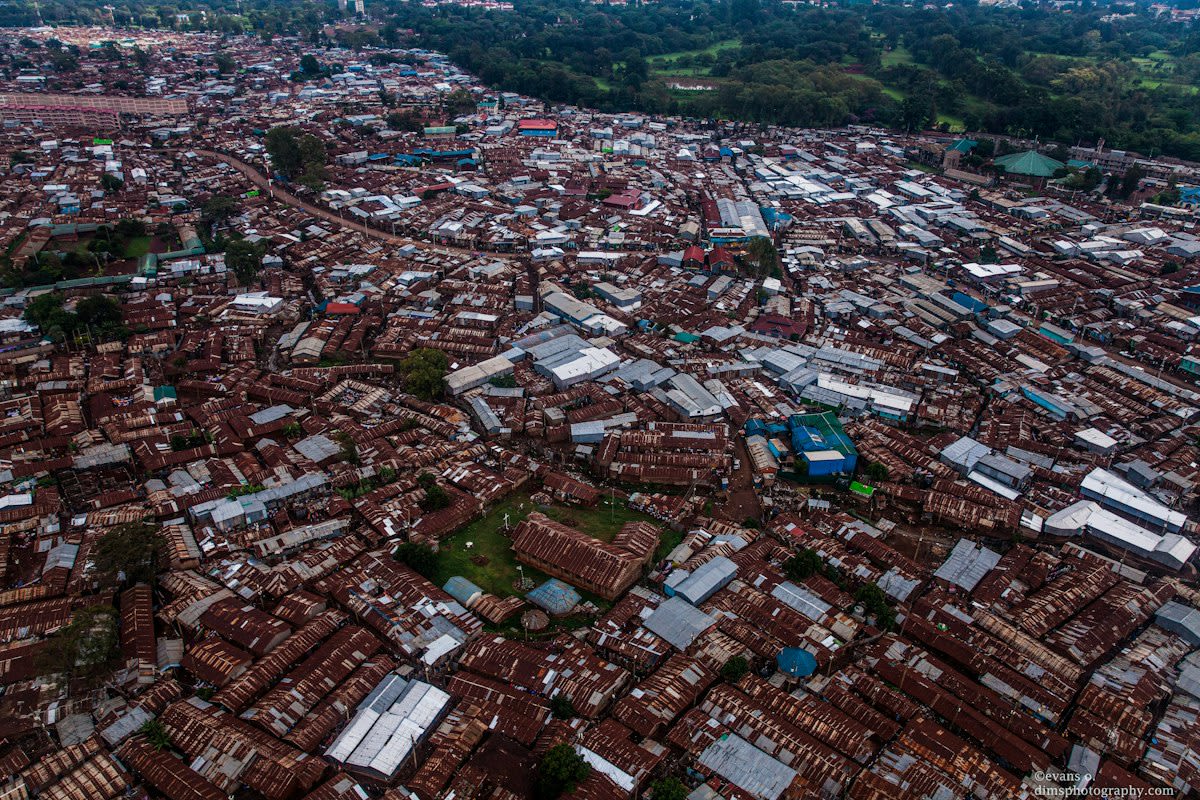
Who decides if you are trustworthy? For decades, the answer was a bank manager in a glass tower. It is a lie. The belief that a bank account defines a person's reliability is a relic of a dead era. In the narrow alleys of Mathare and Mukuru, where the state's grip is often brittle and the terrain is a tangle of corrugated iron, a new kind of valuation is emerging. These communities are not waiting for a loan officer to approve them; they are generating the data that makes the loan officer irrelevant.
The delta between 2025 and late 2026 is stark. A year ago, alternative credit was a niche experiment. Now, it is a collision of AI and grassroots organization. We are seeing a move toward using transaction and farm data to extend credit to those who lack physical collateral (Source: Dealroom, 2026). This is not a slow evolution. It is a hard turn. The focus has moved from simply providing micro-loans to building an entire infrastructure of reliability based on how a person interacts with their community and their phone.
The Algorithm of the Unbanked
Enter Kifiya. This AI platform has already fueled over $1 billion in credit by ignoring the traditional balance sheet (Source: Dealroom, 2026). Instead of asking for a land title, the system draws on more than 42 data families and 10 billion alternative data signals to generate credit scores. Does the borrower pay their utilities on time? Do they consistently purchase seeds for their farm? This data creates a suture between the informal economy and formal capital. With technology hubs now operating in Nairobi and Cape Town, this model is saturating the East African market.
"Alternative-data scoring can reach informal businesses and first-time borrowers who have been historically excluded from traditional banking."— World Bank Group, 'Cracking the Credit Code' Report (2026)
But data is not just numbers on a screen. In Mathare and Mukuru, creditworthiness is being rewritten as community resilience. The Urban Community Resilience Building (UCRB) project has established Community Disaster Management Committees (CDMCs) and Community-Based Disaster Response Teams (CBDRTs) (Source: ReliefWeb, 2026). These are not just safety nets. They are records of reliability. When the El Niño rains hit between October and December 2023, these communities initiated evacuations before the Red Cross even arrived (Source: ReliefWeb, 2026). That level of organization is a signal. It is a proxy for the kind of discipline and trust that traditional banks call a credit score.
The Friction of the Invisible
As a practitioner on the ground, I have seen the friction this creates. There is a quiet, bitter dispute between the AI purists and the community organizers. The AI purists believe that 10 billion data signals provide a sterile, objective truth. The organizers know that a signal can be hollow. They argue that a person might have a perfect digital transaction history but be a liability within their own neighborhood. The real struggle is not about the technology; it is about who owns the definition of trust. Do we trust the algorithm, or do we trust the neighbor who helped evacuate a family during a flood?
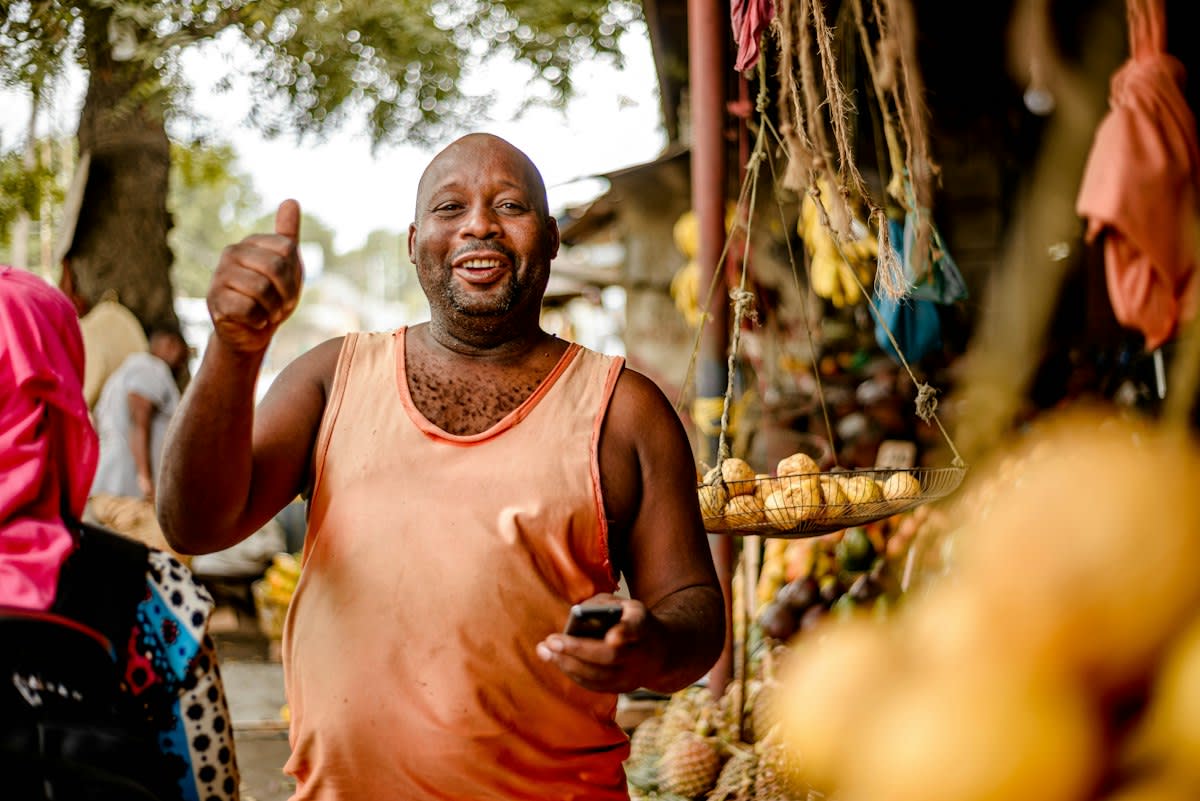
This tension is mirrored across the continent. In Ghana, the push for an African-led financing model is framed as a matter of economic sovereignty (Source: WACSI, 2026). The argument is simple: if the tools for measuring credit are designed in New York or London, they will always view an informal settlement as a risk. If the tools are designed in Nairobi or Accra, they view that same settlement as a web of opportunity. This is why the push for African-centered climate solutions and finance accountability tools is gaining weight (Source: African Climate Reality Project, 2024).
| Metric | Traditional Banking | Alternative Data Model (Kifiya/UCRB) |
|---|---|---|
| Primary Collateral | Land Titles / Fixed Assets | Transaction History / Community Action |
| Data Points | Credit Bureau History | 42+ Data Families / 10B Signals |
| Validation Method | Bank Statements | AI Analysis / Community CDMCs |
| Accessibility | Low (Requires Formal ID/Assets) | High (Requires Mobile/Community Link) |
Is this a perfect system? No. It is brittle. The reliance on mobile data means that those without devices are once again pushed to the fray. However, the shift is undeniable. We are moving from a world where you must prove your worth to a bank, to a world where your daily survival and community contributions are the proof. The credit score is no longer a number assigned to you; it is a reflection of the grip you have on your own environment.
Fact-Check & Accuracy Note
The data regarding Kifiya's $1 billion credit fueling is based on IFC and Dealroom reports from 2026. The UCRB project's impact in Mathare and Mukuru is documented via ReliefWeb evaluation requests. Academic debate continues regarding whether alternative data scoring introduces new forms of algorithmic bias or truly democratizes access to capital.
The implications extend beyond loans. When a community in Nairobi can prove its reliability through documented disaster response and transaction data, it gains leverage. It can demand better infrastructure. It can negotiate for climate finance that is actually validated by the people on the ground (Source: African Climate Reality Project, 2024). The ledger is being rewritten, and for the first time, the people living in the settlements are the ones holding the pen.