The Performance Paradox
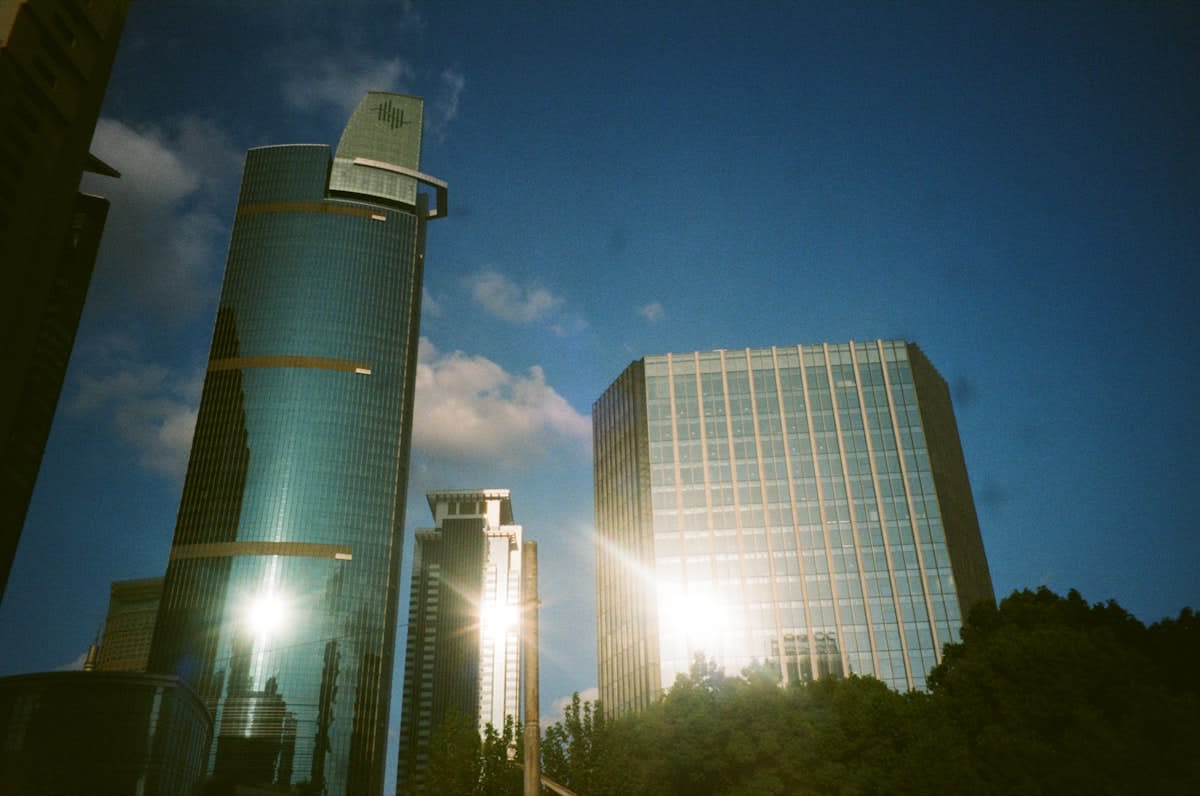
We have entered the era of the High-Performance City. Every metric is being optimized: carbon footprints are shrinking, structural loads are being reduced, and social services are being streamlined into strategic plans. On paper, the modern metropolis is a triumph of engineering and governance. Yet, there is a silent cost to this precision. By removing the inefficiencies of urban life—the unplanned detours, the awkward overlaps, the physical clutter of commerce—we are inadvertently eradicating the spontaneous encounter. We are building cities that function perfectly but feel empty.
This shift is not accidental; it is a systemic migration toward a managerial worldview. We no longer view the city as a living organism that grows organically, but as a series of performance problems to be solved. When we prioritize the controlled movement of a building or the targeted allocation of funding over the chaotic nature of human interaction, we trade social vitality for structural stability. The result is an urban environment that is resilient against wind and economic volatility, but fragile in its ability to foster genuine human connection.
Architecting the Void: The Physics of Isolation
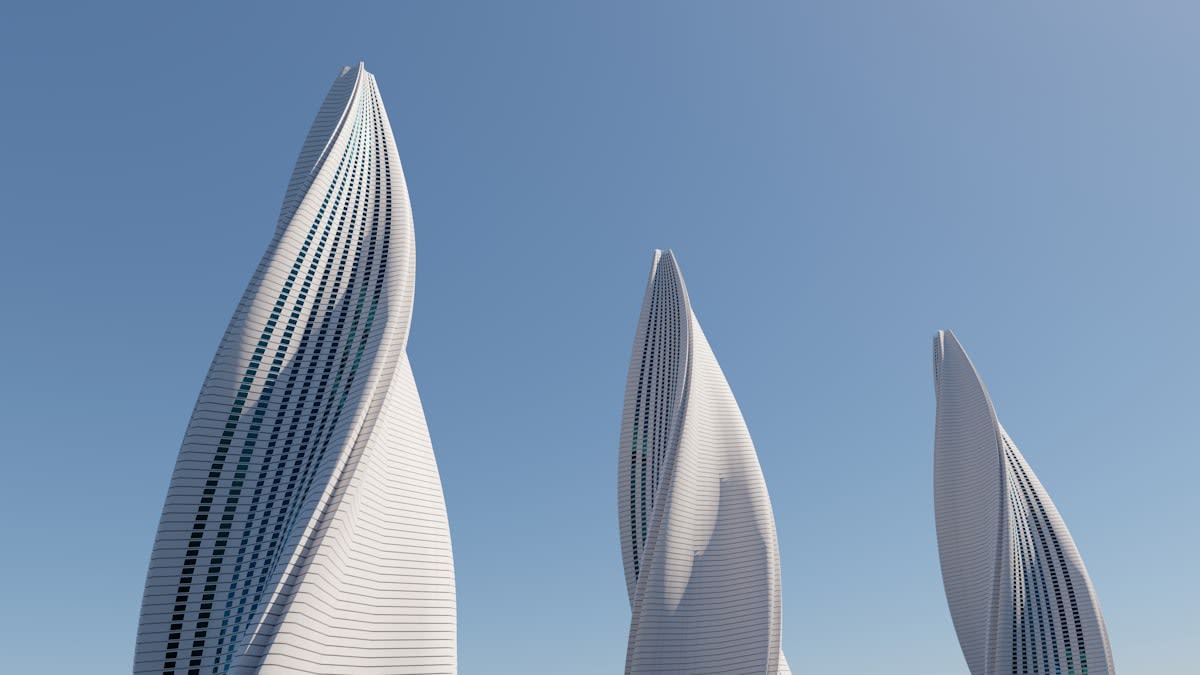
Consider the current trajectory of skyscraper design. The drive for height and sustainability has led to a fascination with controlled movement. Recent research published in Nature Communications highlights a new design approach that achieves up to 70 percent less movement in high winds than conventional towers, while reducing structural loads by more than 50 percent (Source: Newsweek, 2026). While this is a victory for low-carbon, high-performance development, it mirrors a larger psychological trend in urban planning: the desire to eliminate sway, instability, and unpredictability.
"Rather than making a tower heavier or stiffer, we use the controlled movement of its different parts to enhance its performance."— Martínez-Pañeda, Researcher cited in Newsweek
The metaphor extends beyond the steel and glass. When we apply this 'controlled movement' philosophy to the way people inhabit space, we create environments that are frictionless. We design lobbies that funnel people efficiently to elevators and plazas that discourage lingering. We are so focused on the performance of the superstructure that we forget the superstructure exists to house people, not just to withstand the wind. A city without 'sway'—without the unpredictable collisions of different social classes and ideologies—is a city that has lost its soul.
This obsession with performance is not limited to architecture; it has seeped into the way we manage the most vulnerable populations. In Indiana, a strategic plan that doubled resources for nonprofits led to an 18.7% decline in veteran homelessness (Source: military.com, 2026). While the outcome is objectively positive, the method—'more efficient and targeted funding decisions' as described by Governor Mike Braun (Source: military.com, 2026)—reveals a shift toward the managerialism of care. We are solving homelessness as a logistical puzzle rather than a crisis of belonging.
| Metric | Performance-Driven Approach | Human-Centric Approach | Systemic Outcome |
|---|---|---|---|
| Urban Design | 70% reduction in sway (Source: Newsweek, 2026) | High social friction/spontaneity | Structural stability vs. Social sterility |
| Social Support | Targeted funding/Strategic plans (Source: military.com, 2026) | Organic community reintegration | Metric-based success vs. Emotional belonging |
| Commerce | Digital delivery/Physical media decline (Source: Push Square, 2026) | The 'Browser' experience | Convenience vs. Spontaneous discovery |
The Death of the Third Place
The spontaneous encounter requires a physical stage—the 'Third Place' that is neither home nor work. However, these stages are being dismantled by the same drive for efficiency. Sony's plan to cease manufacturing physical discs by January 2028, with an anticipated overall product volume decline of 10% (Source: Push Square, 2026), is a canary in the coal mine. The disappearance of physical media is not just a technological shift; it is the erasure of the record store and the game shop—spaces where strangers bonded over shared tastes.
When the act of discovery is moved to an algorithm, the encounter is no longer spontaneous; it is curated. We no longer bump into a niche interest or a different perspective; we are fed a mirror of our own preferences. This digitalization of the 'browse' removes the risk of the unknown, but it also removes the possibility of the unexpected. The city becomes a series of delivery hubs and digital interfaces, reducing the physical environment to a mere utility.
The Commercialization of Community
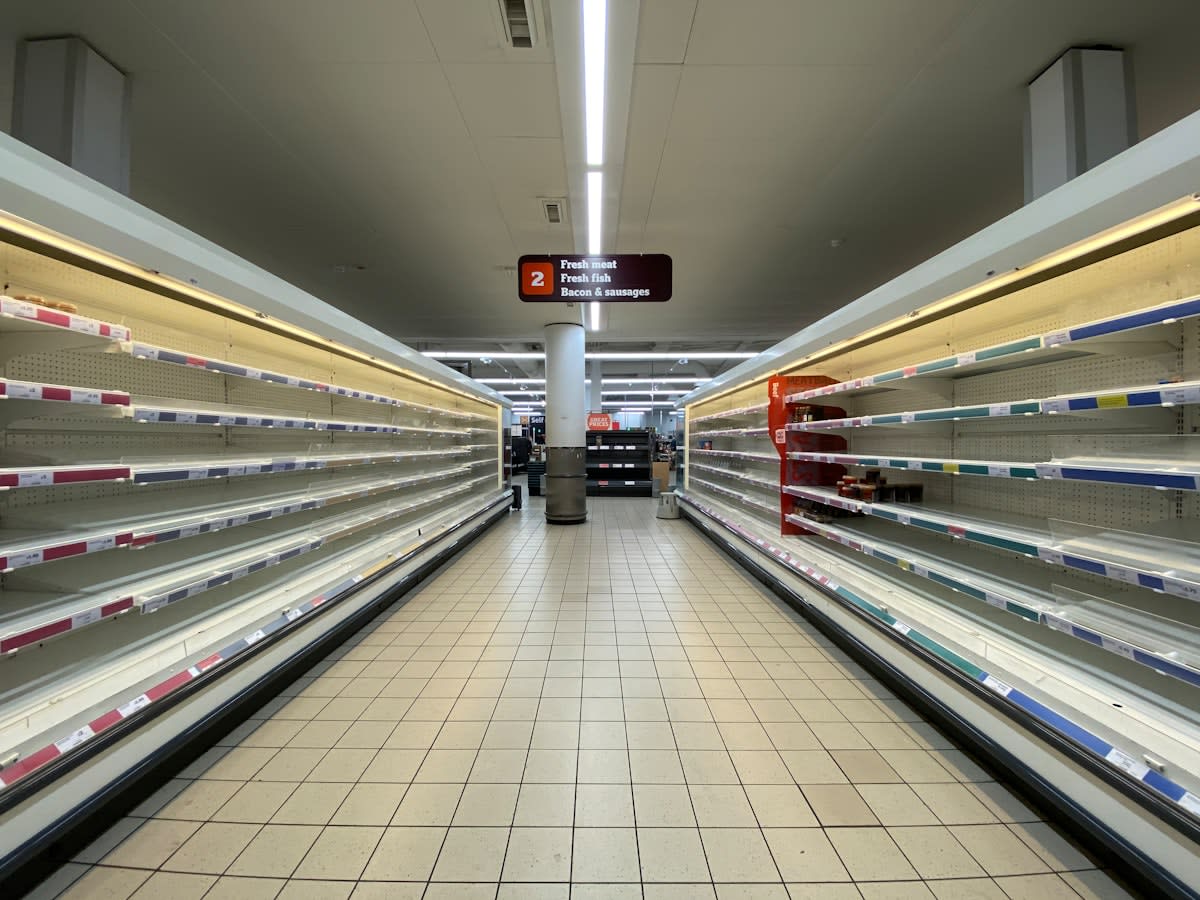
In the absence of organic third places, we have seen the rise of 'lifestyle brands' that attempt to sell community as a product. Lululemon's recent struggle, marked by a 9% sink in comparable sales during the second fiscal quarter and a projected revenue decline of 5% to 7% for the full year (Source: CNBC, 2026), suggests that this model is reaching its limit. You cannot architect a community through apparel; you can only create a consumer segment. When the brand's outlook plunges, the 'community' often vanishes with the stock price.
Even our attempts at sustainability have been institutionalized into 'funding routes.' The CFDA and Bezos Earth Fund's Next Thread Initiative, which earmarked $1.5 million for scholarships (Source: Fashion United, 2026), reflects a shift toward integrating environmental considerations into design practice. While necessary, this approach treats sustainability as a curriculum requirement rather than a grassroots urban movement. We are teaching students to design 'circularity' within the existing system, rather than questioning why the system itself has become so isolating.
This drive to map and manage every variable extends even to the most primal human experiences. Researchers at the University of Oulu have identified alpha-1 antitrypsin as a potential target for preventing spontaneous preterm birth (Source: News-Medical, 2026). While this is a medical breakthrough, it underscores the overarching zeitgeist: the desire to eliminate the 'spontaneous' from the human experience entirely. Whether it is a building's sway, a veteran's housing status, or the timing of a birth, the modern goal is total predictability.
In the corridors of city planning, the debate isn't about whether we should build, but how we measure success. I've sat in rooms where the performance of a tower—its wind-load resistance or its carbon footprint—completely eclipses the social friction of its ground floor. The friction is where the magic happens; it's the awkward encounter with a stranger that leads to a business partnership or a lifelong friendship. But friction is an inefficiency. To a modern engineer or a strategic analyst, friction is a bug to be patched, not a feature to be preserved.
Fact-Check & Accuracy Note
Key claims regarding skyscraper movement (70% reduction) are sourced from Nature Communications via Newsweek (2026). Veteran homelessness data is attributed to the U.S. Department of Housing and Urban Development's Point-in-Time count via military.com (2026). Lululemon financial data is sourced from CNBC (2026). The shift toward digital media is based on Sony's 2028 deadline reported by Push Square (2026). There is ongoing debate in urban planning regarding whether 'frictionless' design actively increases loneliness or simply reflects existing digital trends.