Trump team's patience wearing thin with Zelensky? On TV, Rubio says 'focus on ending the war' | USA
Source Entity
Latest News: Todays Latest News Headlines from India & World | Hindustan Times | Hindustan Times
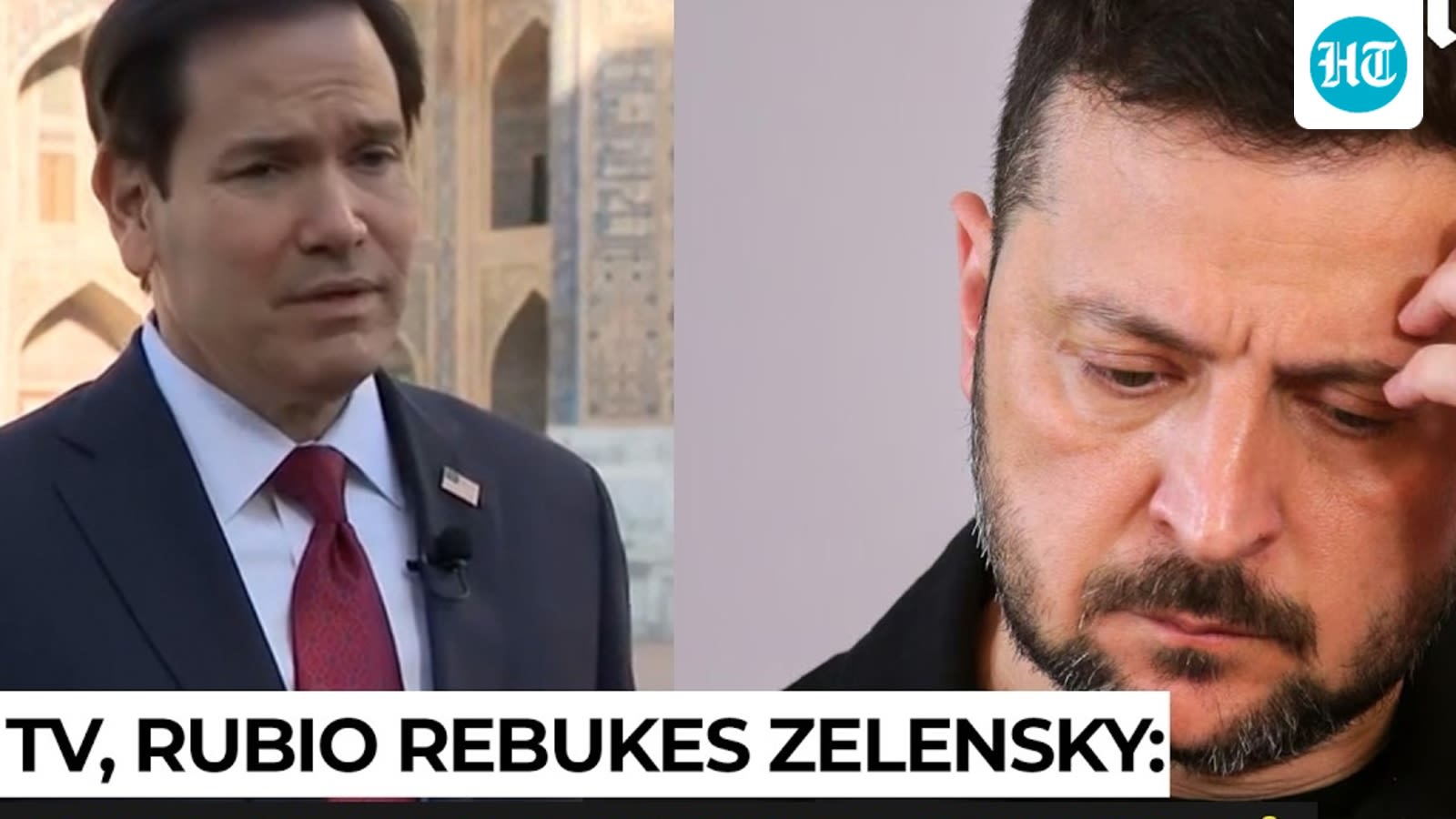
U.S. Secretary of State Marco Rubio has signaled a shift in tone, urging Russia and Ukraine to prioritize ending the conflict. His comments, made during a C5+1 summit, underscore growing U.S. concerns over regional escalation risks.
Shifting U.S. Diplomatic Strategy in the Ukraine Conflict
Recent statements by U.S. Secretary of State Marco Rubio mark a notable evolution in the American approach toward the ongoing war between Russia and Ukraine. During his diplomatic visit to Uzbekistan for the C5+1 summit—a forum involving the U.S. and five Central Asian nations—Rubio issued a pointed call for both belligerents to prioritize a cessation of hostilities. This pivot suggests that the incoming administration’s patience regarding the current trajectory of the conflict may be reaching a critical threshold.
The Urgency of De-escalation
Rubio’s emphasis on the need to "focus on ending the war" serves as a clear signal that the U.S. is increasingly concerned with the risks of the conflict spiraling into a broader regional or global crisis. By highlighting specific threats, such as drone incidents and failed sabotage operations, the Secretary of State is pointing to the inherent volatility of the current battlefield. These tactical events, if left unchecked, possess the potential to cross international borders, thereby drawing in additional actors and complicating the existing geopolitical landscape.
The C5+1 Context and Regional Stability
The choice of the C5+1 forum in Uzbekistan as the backdrop for these remarks is highly strategic. Central Asia has historically navigated a complex balancing act between Russian influence and Western diplomatic engagement. By addressing this issue in a region sensitive to Russian military posturing, Rubio is signaling to both Moscow and Kyiv that the U.S. is prioritizing regional stability and the prevention of spillover effects over the continuation of attritional warfare.
Assessing the Pressure on Kyiv
The narrative surrounding the "Trump team’s patience" suggests a move toward a more transactional and results-oriented foreign policy. While the U.S. has been the primary benefactor of Ukraine’s defense efforts, the rhetoric from the State Department now implies that unconditional support may be contingent upon a clearer pathway toward a negotiated settlement. This pressure on President Zelensky reflects an internal debate regarding the sustainability of current military commitments versus the long-term strategic interests of the United States.
Geopolitical Implications and Future Trends
Looking ahead, the administration's focus on ending the conflict suggests that diplomatic channels may become the primary instrument of U.S. foreign policy in the coming months. If the U.S. continues to frame the conflict through the lens of "escalation risk," we can expect increased pressure on both sides to engage in substantive peace talks. This development could fundamentally alter the dynamics of Western military aid, as the U.S. seeks to leverage its influence to force a compromise that mitigates the risk of a wider European conflict.
Conclusion
In summary, Marco Rubio’s recent comments reflect a significant recalibration of U.S. policy. By shifting the focus from indefinite support to the immediate necessity of ending the war, the U.S. is attempting to regain control over a narrative that has become increasingly defined by the risks of escalation. Whether this shift succeeds in bringing the parties to the table remains one of the most pressing questions in contemporary international relations.
Verification Required?