Delhi Records Coldest October Morning So Far, Air Quality May Worsen
Source Entity
NDTV News Search Records Found 1000
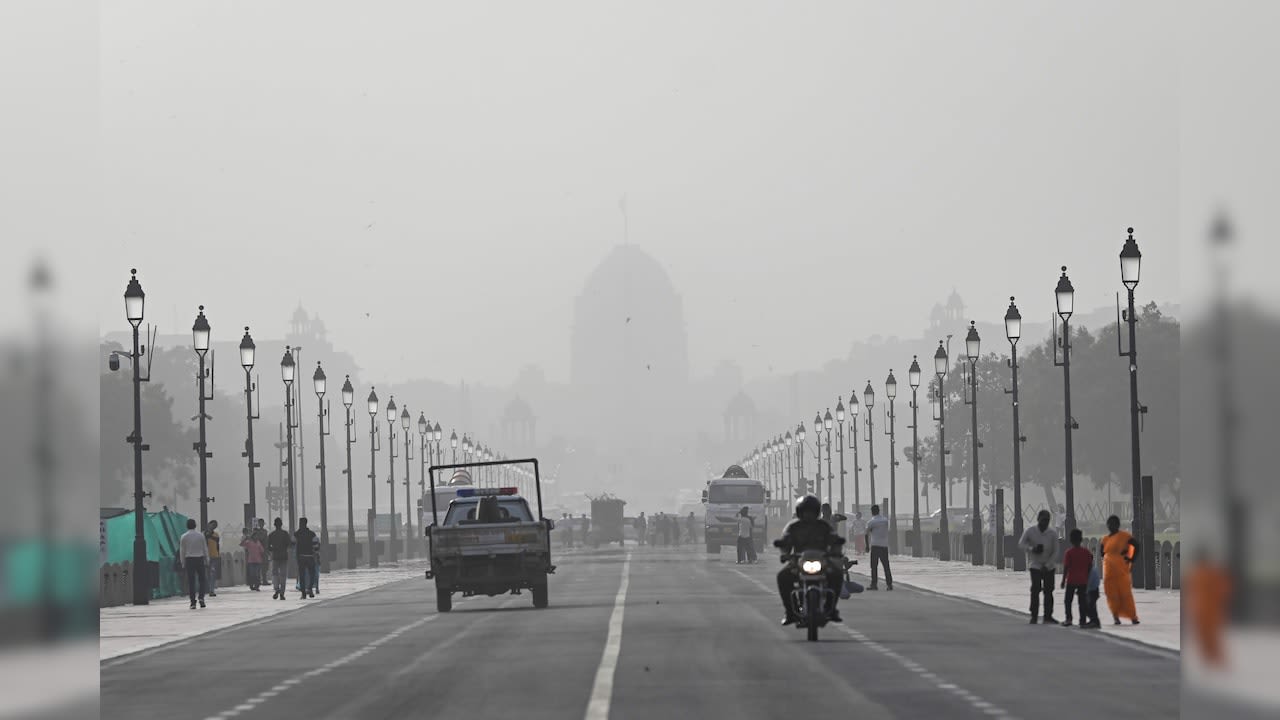
Delhi experienced its coldest night of the month with temperatures dropping to 17.1 degrees Celsius. While current air quality remains moderate, authorities warn that conditions are likely to deteriorate to 'poor' levels soon.
Delhi Faces Seasonal Chill and Air Quality Shifts
Delhi has officially recorded its coldest night of the month, with the India Meteorological Department (IMD) reporting that the mercury dipped to 17.1 degrees Celsius at the Safdarjung weather station. This reading, which sits 1.3 degrees Celsius below the seasonal average, highlights a distinct transition in the capital's weather patterns as the city moves deeper into the autumn season. While the daytime maximum reached 31.7 degrees Celsius, the significant drop during the night underscores the onset of cooler, drier air mass movements typically associated with this time of year.
The Intersection of Weather and Atmospheric Conditions
The drop in temperature is often a precursor to broader atmospheric changes that impact the National Capital Region. Meteorological trends in Delhi frequently demonstrate that as minimum temperatures fall and wind speeds potentially decrease, the ability of the atmosphere to disperse pollutants is compromised. This seasonal shift is a critical factor for urban planners and environmental health officials who monitor the interplay between thermal inversions and the accumulation of particulate matter within the city basin.
Current Air Quality Status
According to data provided by the Central Pollution Control Board (CPCB), the 24-hour average Air Quality Index (AQI) was recorded at 139 at 4 pm, placing the city in the "moderate" category. While this level of air quality is generally acceptable for the majority of the population, the current trend is being watched closely. The transition from moderate to potentially more harmful levels is a documented phenomenon in Delhi, where the combination of changing weather and localized emissions often leads to a rapid decline in air quality indices.
Forecasting Future Deterioration
Projections from the CPCB indicate that air quality is likely to deteriorate to the "poor" category starting October 21. This forecast is particularly concerning as it aligns with the expected continuation of dry weather conditions. In meteorological terms, a lack of precipitation and specific wind patterns can prevent the flushing of pollutants, leading to a lingering haze that characterizes the late-October climate in Northern India.
Broader Implications and Public Health
The anticipated decline in air quality serves as an early warning for residents, particularly those with respiratory sensitivities. As the city braces for "poor" air quality, the reliance on real-time data from the CPCB becomes vital for public health advisories. The historical context of Delhi's air quality suggests that this shift is part of a recurring seasonal cycle, necessitating sustained vigilance and adherence to environmental guidelines as the winter months approach and atmospheric conditions become increasingly static.
Multiple Citing Sources
Verification Required?