Drone attack near market kills 80 in Sudan
Source Entity
Carlos Mureithi and agencies
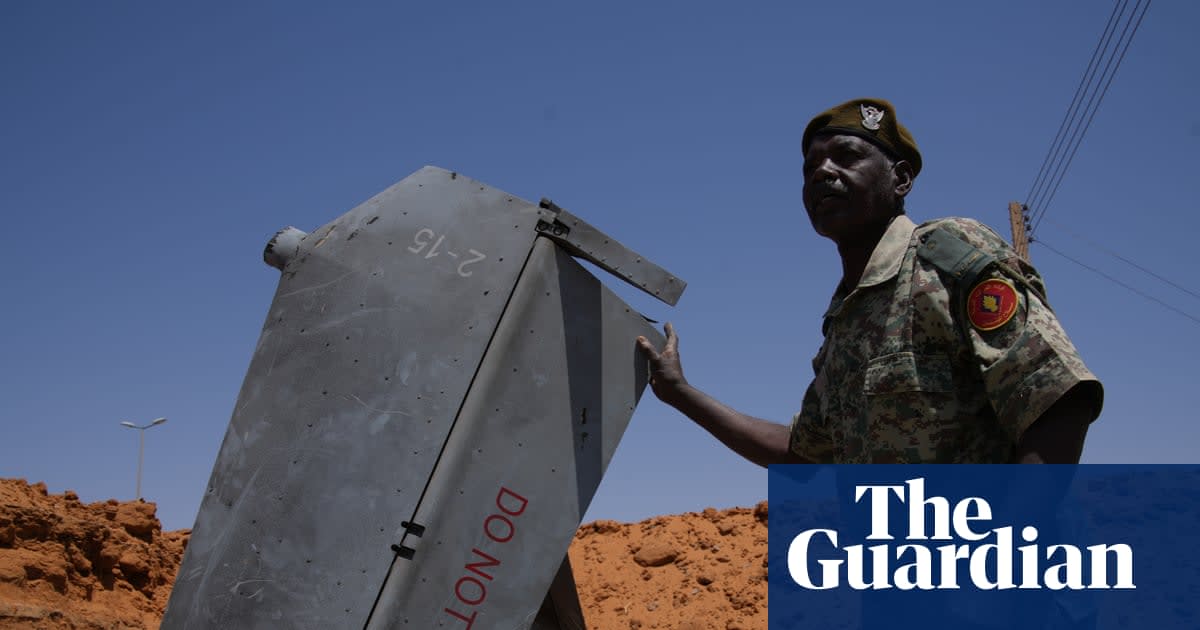
A devastating double drone strike on a transport hub in al-Dibab, West Kordofan, has killed 80 people, mostly commuters. The attack highlights the escalating dangers faced by civilians in Sudan's ongoing conflict.
The Humanitarian Crisis in West Kordofan
A catastrophic drone strike in the town of al-Dibab, located in Sudan’s West Kordofan state, has resulted in the deaths of 80 civilians. The attack, which targeted a bustling transport hub during the evening, predominantly claimed the lives of commuters who were attempting to return home. This incident marks a significant escalation in the use of aerial technology within the Sudanese civil conflict, where the distinction between military targets and civilian infrastructure is increasingly blurred.
The Mechanics of the Attack
According to eyewitness accounts, including that of Ahmed Wadi—who lost his brother in the tragedy—the strike was calculated and methodical. The drones executed a double-tap strategy, with the second strike occurring ten minutes after the first. This tactic is designed to maximize casualties by targeting first responders and survivors who gather to assist the wounded. The precision and timing of these strikes underscore the lethal capabilities being deployed in regions far from the primary frontlines of the conflict.
Communications Blackouts and Reporting Challenges
One of the most harrowing aspects of the al-Dibab attack is the environment in which it occurred. Large portions of Sudan are currently suffering from severe communications blackouts, forcing survivors like Wadi to rely on satellite internet connections to document the carnage. This lack of reliable information infrastructure not only hampers humanitarian aid efforts but also masks the true scale of the violence, making it difficult for international observers to hold perpetrators accountable for potential war crimes.
The Toll on Local Healthcare
Following the initial massacre in al-Dibab, survivors were transported to the nearby town of al-Mujlad. A medical source confirmed that of the 47 individuals transported for emergency care, 30 succumbed to their injuries, bringing the total death toll to 80. Furthermore, the situation remains volatile, as al-Mujlad itself was subsequently targeted by a separate drone strike that left four additional people wounded. These attacks on medical transit routes signify a direct threat to the few remaining healthcare lifelines in the region.
Broader Implications and Future Trends
This tragedy serves as a grim indicator of the evolving nature of the war in Sudan. As the conflict persists, the reliance on drone warfare suggests that both sides are seeking low-risk methods to project power, regardless of the civilian cost. The targeting of transport hubs, which are critical for the movement of food, medicine, and people, threatens to further isolate communities in West Kordofan. Without international intervention or a cessation of hostilities, the trend of high-casualty aerial strikes against civilian transit points is likely to continue, further deepening the humanitarian catastrophe in the region.