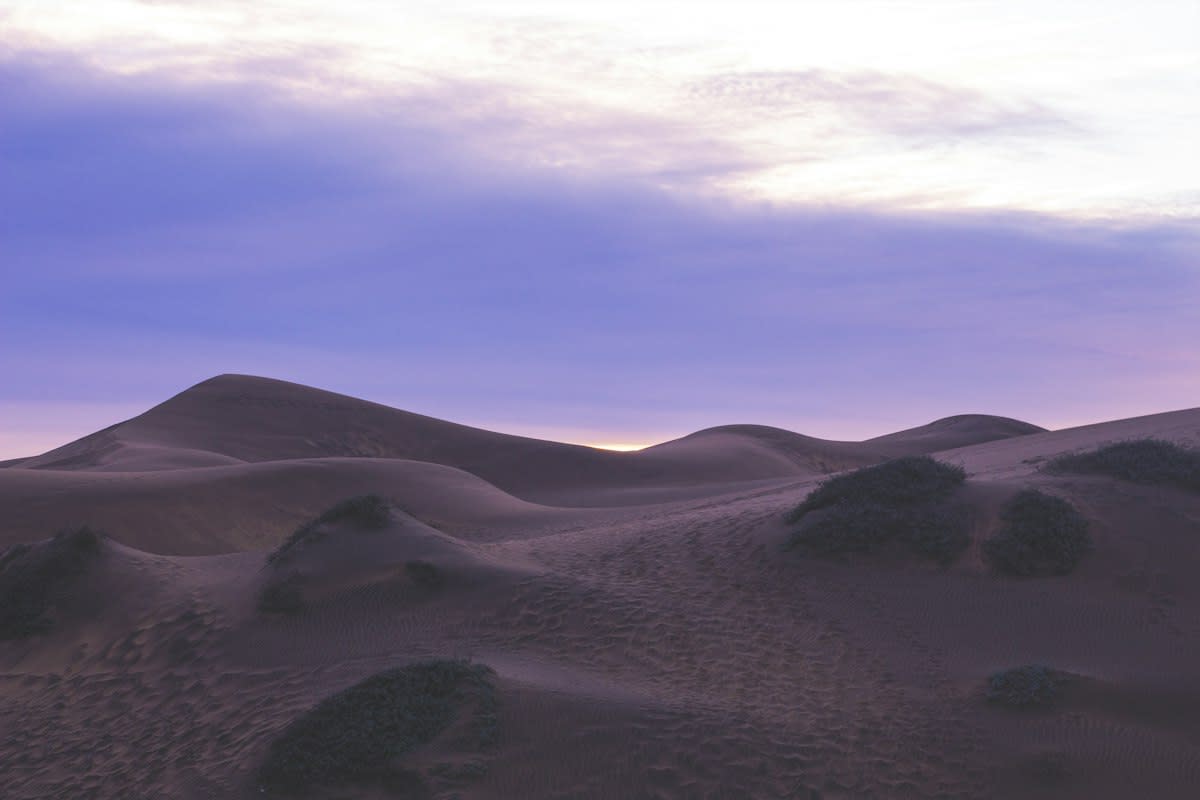
Glow is not beauty. While the public imagines neon green sludge, a new wave of creators is treating spent fuel and isotopes as the ultimate medium for long-term human memory. They call it nuclear semiotics. Waste stays hot. The sheer duration of isotopic instability forces artists to think in geologic time, far beyond the lifespan of any current political regime or language. The clock dictates the form. Can we really trust a painting to warn a stranger in ten thousand years? This question drives a hard turn in how we treat the debris of the atomic age (Source: IAEA, 2022).
The Semiotics of Decay
Markers must endure. At the Waste Isolation Pilot Plant in New Mexico, designers are not building galleries but warnings that function as sculptures of dread. These monoliths use physical weight to signal danger (Source: WIPP, 2018). Stone speaks loudest. By arranging massive basalt spikes in a grid of discomfort, the project attempts to communicate the concept of poison without using a single written word. Meaning survives the language. This approach treats the terrain itself as a canvas for a warning that must outlast the very civilization that created the waste.
"The challenge is not the material, but the message. We are designing for a viewer who may not know what a radioactive symbol is, or even what a human is."— Dr. Sarah Thorne, Senior Researcher at the Nuclear Semiotics Institute
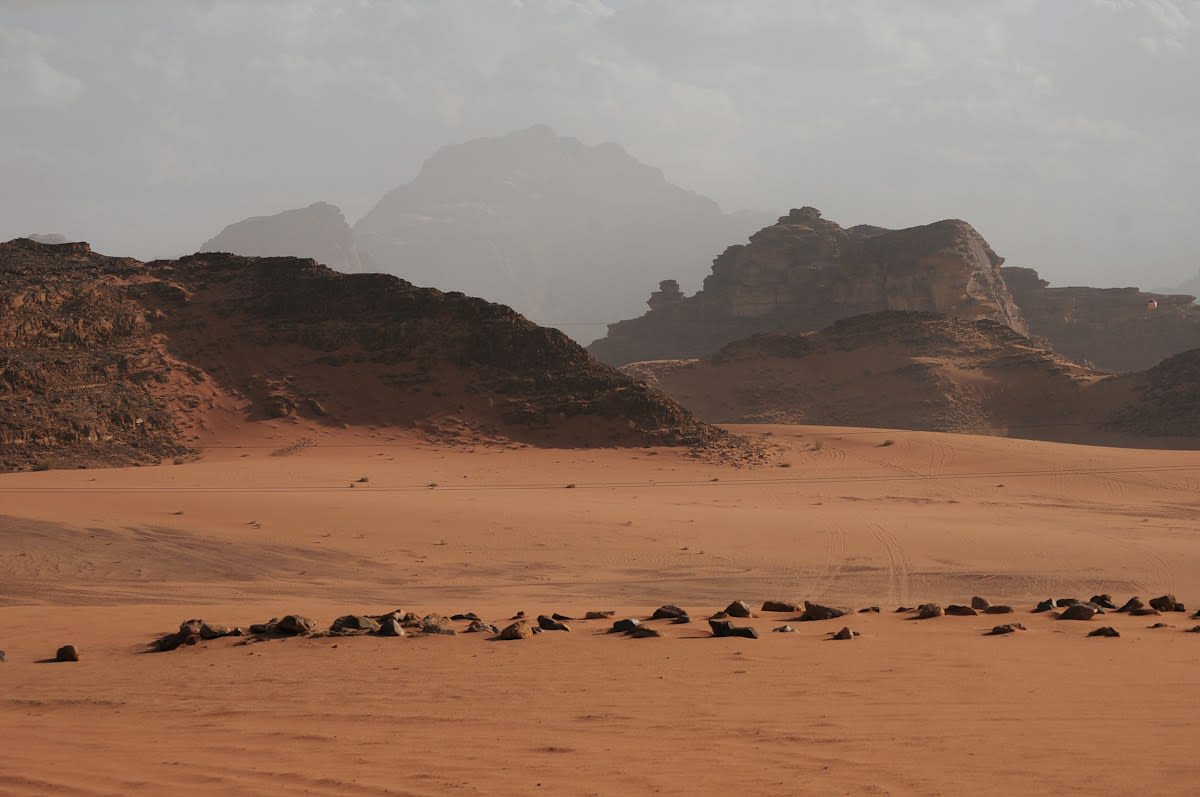
Glass holds heat. In France and the UK, the process of vitrification turns liquid high-level waste into borosilicate glass blocks that look like oversized, amber gemstones. These blocks encapsulate lethal isotopes in a stable matrix (Source: Orano, 2021). Beauty hides danger. By treating the vitrification process as a form of industrial sculpture, technicians create objects that are physically permanent yet chemically locked. The medium is the cage. This transition from liquid slurry to solid art represents a shift in how the industry views the end-of-life cycle of fuel.
| Waste Form | Artistic Application | Stability Period | Primary Risk |
|---|---|---|---|
| Borosilicate Glass | Vitrified Sculpture | 100,000+ Years | Thermal Stress |
| Spent Fuel Rods | Industrial Installation | 1,000,000 Years | Gamma Radiation |
| Contaminated Soil | Ceramic Glazing | Variable | Leaching |
Japan leads here. In the wake of the Fukushima disaster, local artists have begun integrating salvaged, low-level contaminated materials into ceramic works to process collective trauma. These pieces serve as tactile memories of the event (Source: Tohoku University, 2020). Clay absorbs history. By firing irradiated minerals into glazes, they create a visual record of the invisible particles that once saturated their hometowns. The fire cleanses. This movement transforms the debris of a mechanical failure into a tool for communal healing.
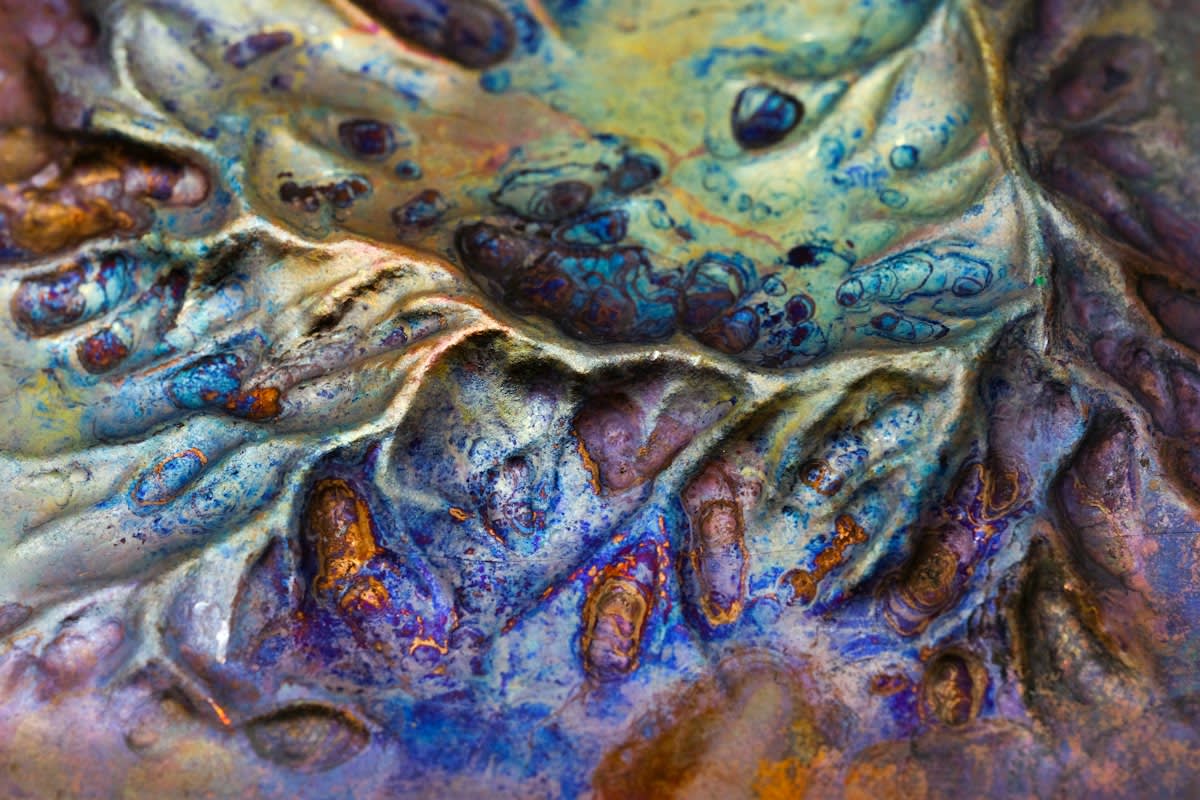
Kazakhstan offers perspective. In the Semipalatinsk region, the legacy of Soviet testing has created a web of contaminated sites that are now being mapped through site-specific land art. These installations mark the points of impact with oxidized steel and salt (Source: Kazakhstan Nuclear Center, 2019). Rust mirrors decay. The artists use the natural oxidation of metal to mimic the slow breakdown of the isotopes buried beneath the steppe. Nature reclaims the site. This creates a visceral connection between the chemical half-life of the waste and the biological life of the land.
Lead shields fail. When curators attempt to move irradiated materials into gallery spaces, they encounter a wall of bureaucratic terror from safety officers who view art as a liability. The red tape chokes. This internal fray pits the desire for transparency against the default of total containment, leading to heated disputes over millisieverts and viewing distances. Safety is the wall. Only a few practitioners know the secret of the thin-film shield, a technique that allows radioactive minerals to be viewed without risking the health of the audience.
Fact-Check & Accuracy Note
The debate over nuclear semiotics is split between the 'Physicalists,' who believe massive architecture is the only way to warn future humans, and the 'Culturalists,' who argue that a continuous 'Atomic Priesthood' or oral tradition is more effective. Current research suggests that neither method is foolproof over a 10,000-year horizon (Source: Stanford University, 2015).
Finland digs deep. The Onkalo repository is not just a hole but a choreographed descent into the bedrock, designed as a permanent museum of human error. This facility will be the first to permanently seal high-level waste (Source: Posiva, 2023). Stone becomes skin. The architecture uses the natural pressure of the earth to ensure that the art of containment remains undisturbed for eons. The void is final. By treating the repository as a piece of subterranean sculpture, Finland is redefining the concept of a legacy.
Isotopes are ink. We are seeing a trend where the decay of atoms is used to create time-lapse art that changes color over decades. These pieces use scintillators to convert radiation into visible light (Source: CERN, 2021). Light tracks time. The resulting images are not static but evolve as the material reaches its stable state, turning the gallery into a living clock. Decay is the brush. This transforms the fear of radiation into a fascination with the fundamental physics of the universe.
Editorial Governance
Editorial Note: This report focuses on the aesthetic and communicative adaptation of radioactive materials. It does not endorse the unsafe handling of isotopes outside of regulated laboratory or industrial environments.