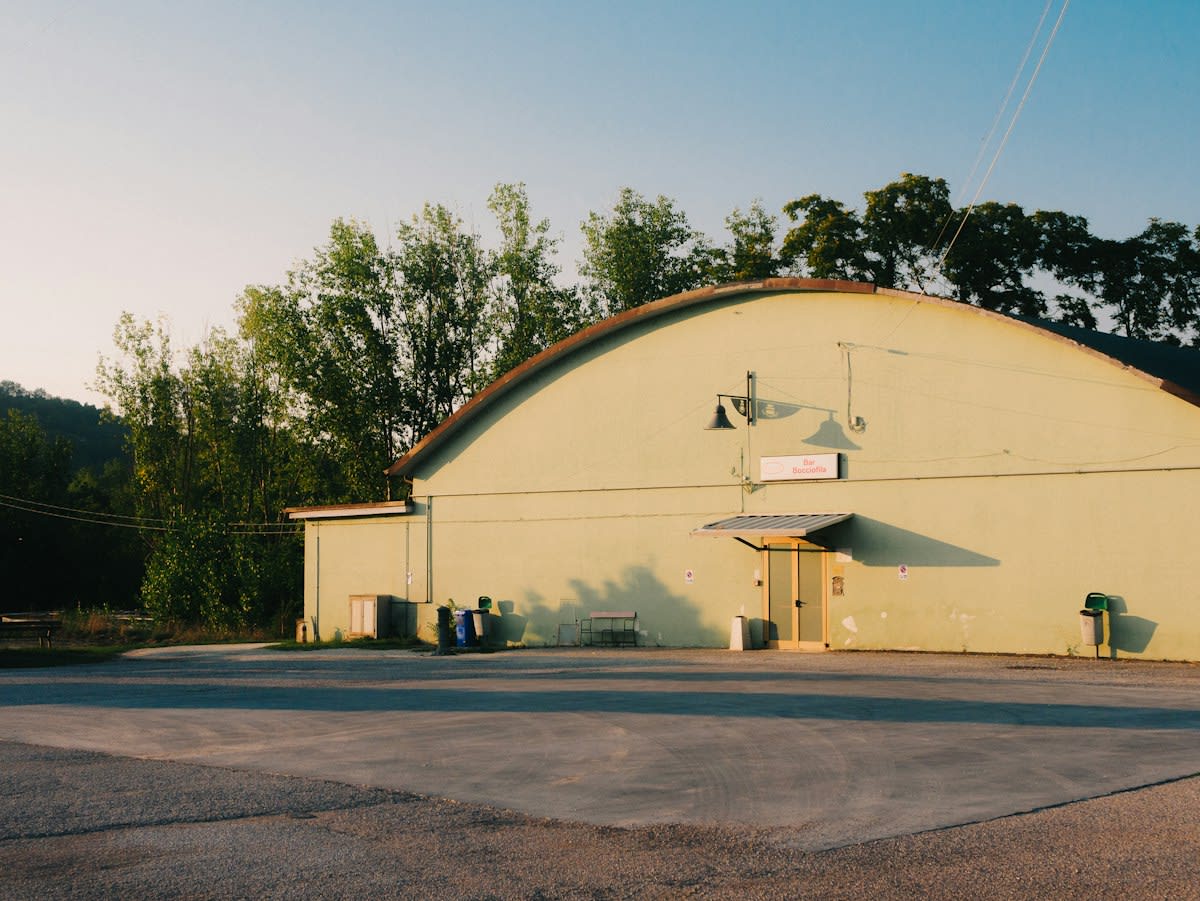
Libraries save social bonds. 90 percent of respondents in a Pew Research Center survey said that public libraries improve the quality of life in their communities (Source: Pew Research Center, 2026). These spaces function as the primary defense against the erosion of the commons, providing a neutral ground where social lives unfold outside the constraints of home and work. When these assets vanish, the community loses its ability to connect with people they might otherwise never encounter. Recovery requires a tactical shift from providing temporary programs to building permanent relational infrastructure.
Prerequisites for Space Recovery
Establishing a third space requires more than a physical room; it requires a foundation of trust and specific legal protections. You will need access to zoning laws that allow for multi-use public gatherings and a partnership with non-profit entities capable of shielding the space from commercial interests. Without a non-profit buffer, these spaces often fall victim to budget cuts or private acquisition. Furthermore, a commitment to long-term maintenance is essential, as temporary investments rarely produce lasting stability (Source: Newsweek, 2026). The goal is to create an environment where residents have a meaningful role in the future of the space.
Relational trust is the second prerequisite, acting as the invisible glue that makes a physical space functional. Programs that provide temporary assistance often fail because they do not earn the trust of the community they serve (Source: Newsweek, 2026). Practitioners must identify existing local leadership and provide them with practical routes to opportunity rather than imposing top-down solutions. This ensures the space is owned by the community rather than managed by an external agency. Only then can the space facilitate the kind of urban sociality that enables community care to be experienced and enacted (Source: ScienceDirect, 2026).
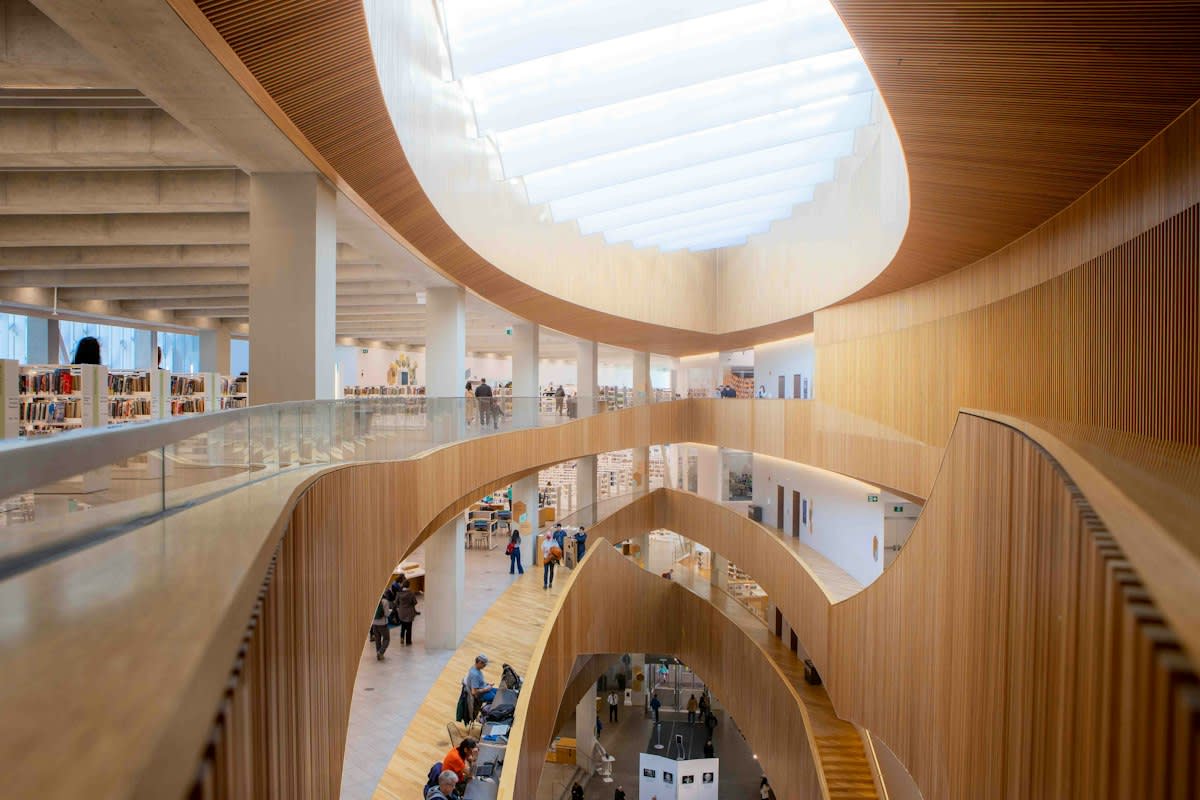
Once the prerequisites are met, the focus shifts to the actual implementation of the space.
The Recovery Process
- Audit the local environment for disappearing commons like parks and community centers.
- Secure a physical asset through non-profit protection or municipal zoning.
- Implement relational infrastructure by empowering local leadership.
- Establish a maintenance plan that prioritizes community trust over program metrics.
- Defend the space against commercial subsumption and budget-driven closures.
The first step involves an audit of the existing social environment to identify where the commons have vanished. In dust-choked districts of Nairobi, this might mean identifying vacant lots or underutilized government buildings that could serve as neutral zones. The audit must distinguish between first places (home) and second places (work) to ensure the new space provides a genuine alternative. By mapping these gaps, organizers can target the specific needs of the neighborhood. This data-driven approach prevents the creation of redundant spaces that fail to attract a diverse user base.
Securing the asset requires a tactical alliance with non-profits to prevent the space from becoming a commodity. The risk of budget cuts is high, especially for libraries, where more than half of the population believes closure would have a major impact on their community (Source: Pew Research Center, 2026). Non-profits can act as a shield, securing grants and managing the site without the volatility of municipal funding. This stability allows the space to evolve based on community needs rather than political cycles. It transforms a mere building into a sustainable community asset.
Building relational infrastructure is where most initiatives fail. The focus must move away from temporary assistance and toward creating lasting stability through leadership (Source: Newsweek, 2026). This involves recruiting residents who have lived experience in the community to lead the operations. For example, utilizing the expertise of those who have navigated incarceration or reentry can provide a practical route to opportunity for others. When the community leads, the space becomes a hub for mutual support rather than a service delivery point.
"Relationships are the foundation of community infrastructure."— J. Jondhi Harrell, Executive Director of Philadelphia’s TCRC Community Healing Center
The final stages of the process involve defending the space from the forces of capital. Historical data shows a pattern where independent sectors, such as medium-sized family farms, are subsumed by large-scale capitalist sectors (Source: Historical Materialism, 2026). The same process threatens third spaces, where community centers are replaced by commercial hubs that require payment for entry. To resist this, the space must remain a true common, where access is not predicated on economic status. Maintaining this boundary is the only way to ensure the space continues to enable community care (Source: ScienceDirect, 2026).
From a practitioner's perspective, this process is defined by constant friction between funders and community members. Funders typically demand quantifiable metrics, such as the number of people served by a program, which encourages a temporary assistance model. However, ground-level reality shows that these metrics often ignore the slow work of building trust. The real debate happens in the boardrooms, where the need for immediate, reportable results clashes with the long-term necessity of relational stability. Success is found when a practitioner can convince a funder that trust is a more valuable metric than throughput.
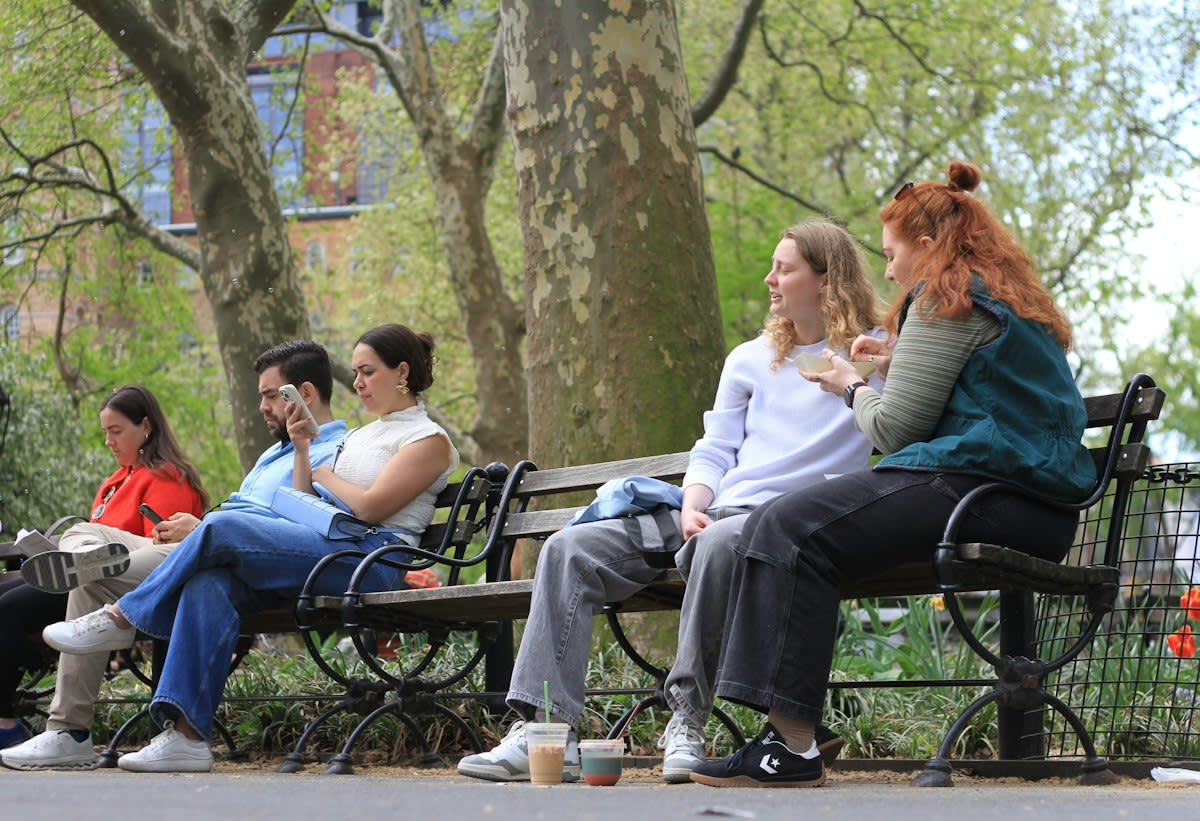
The stability of these spaces also has a direct impact on vulnerable populations, such as veterans. In 2026, veteran homelessness fell by 8.2 percent, the biggest drop in a decade (Source: Community Solutions, 2026). While this decline is attributed to various factors, the presence of strong community support systems and third spaces often provides the necessary social scaffolding for reentry and stability. When veterans have a place to go that is neither home nor work, the risk of isolation decreases. This demonstrates that third spaces are not just social luxuries but essential components of public health.
Failure Points
- Over-reliance on temporary assistance programs instead of relational trust.
- Failure to secure the asset through a non-profit buffer, leading to municipal budget cuts.
- Allowing the space to be subsumed by commercial interests (the 'capitalist transformation').
- Imposing top-down leadership instead of empowering local residents.
- Focusing on throughput metrics rather than the quality of community care.
The most common failure is the confusion of a program with a place. A program has a start and end date; a place is a permanent fixture of the environment. When organizations treat third spaces as vehicles for temporary assistance, they fail to create the lasting stability required for community healing (Source: Newsweek, 2026). This mistake leads to a cycle of abandonment where a space is funded, launched, and then closed once the grant expires. To avoid this, the operational model must prioritize the maintenance of the commons over the delivery of a specific service.
| Feature | Program-Based Model | Relational Model |
|---|---|---|
| Primary Goal | Temporary Assistance | Lasting Stability |
| Metric of Success | Number of Participants | Level of Community Trust |
| Leadership | External Management | Local Resident-Led |
| Funding Focus | Grant-Driven (Short-term) | Commons-Driven (Long-term) |
Ultimately, the recovery of third spaces is a fight against the subsumption of household and social production by capital. Just as the medium-sized family farm was squeezed out by large-scale capitalist agriculture (Source: Historical Materialism, 2026), the independent community center is squeezed out by the commercialization of social life. The only defense is a tactical commitment to the commons. By protecting these spaces, societies can ensure that care and sociality remain available to all, regardless of their economic contribution.
Fact-Check Note
All statistics in this manual are derived from 2026 data sources including Pew Research Center, Community Solutions, and Newsweek. The analysis of capitalist subsumption is based on bibliographical essays from Historical Materialism (2026).
Editorial Note
This guide adopts a tactical perspective, prioritizing the survival of the commons over theoretical sociology. It assumes that the user is operating in an environment where public funding is volatile and commercial pressure is high.