CJI inaugurates ‘highest’ High Court bench in Leh: ‘Crossed passes to reach Ladakh’
Source Entity
Bashaarat Masood
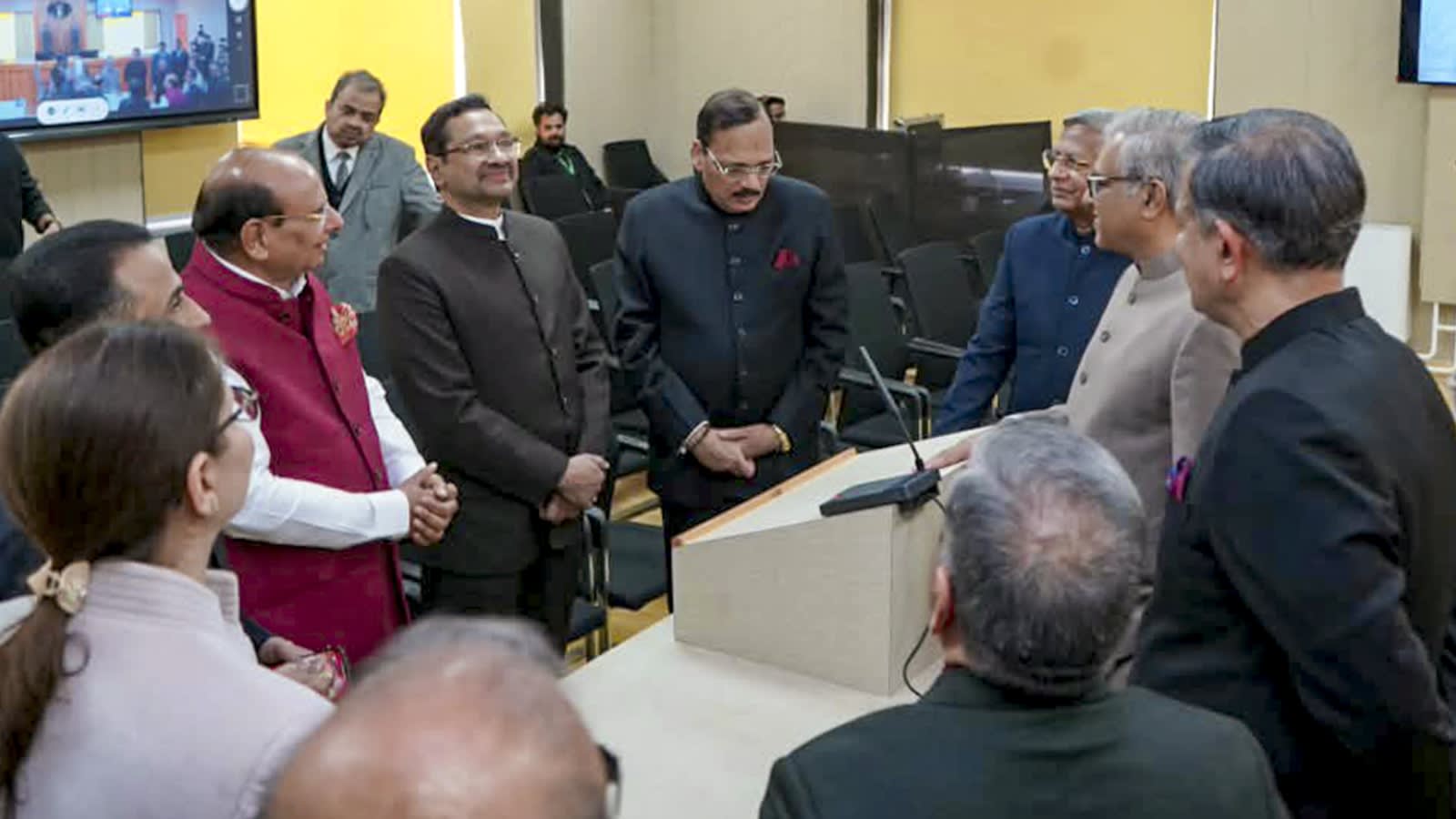
Chief Justice of India Surya Kant has inaugurated a new High Court bench in Leh, Ladakh. This historic move aims to improve access to justice for residents in the high-altitude region.
A Historic Milestone for Judicial Access in Ladakh
In a landmark development for the judicial infrastructure of India, Chief Justice of India (CJI) Surya Kant officially inaugurated a new bench of the Jammu and Kashmir and Ladakh High Court in Leh this past Sunday. This inauguration marks a significant departure from the previous administrative reality, where residents of the remote Union Territory were required to travel considerable distances to access the High Court, often necessitating the crossing of treacherous mountain passes. The bench is scheduled to commence official operations on October 21, following a formal regulation promulgated by President Droupadi Murmu on August 28.
Overcoming Geographic Barriers
Situated at an altitude of approximately 3,500 meters above sea level, the Leh bench holds the distinction of being the highest-altitude High Court facility in India. During his address, CJI Surya Kant highlighted the symbolic and practical importance of this location, noting that the judiciary has essentially "crossed the passes" to meet the people. This shift is not merely geographical; it represents a fundamental commitment to the principle of access to justice, ensuring that the administrative and legal burdens placed on the citizens of Ladakh are significantly mitigated.
A Century of Legal Evolution
The establishment of this bench comes nearly a century after the original Jammu and Kashmir High Court was founded on March 26, 1928. For decades, the legal framework for the region remained centralized, which often posed logistical challenges for those living in the sparsely populated and rugged terrain of Ladakh. By decentralizing the judicial presence, the state acknowledges the unique demographic and topographical requirements of the Union Territory, fostering a more inclusive legal system.
The Impact on Local Jurisprudence
The creation of a dedicated bench in Leh is expected to expedite the resolution of pending cases and provide a more localized platform for legal discourse. By reducing the physical distance between the judiciary and the populace, the court can better appreciate the specific socio-legal context of the region. This development is likely to instill greater confidence in the judicial process among the residents, as the court is now physically integrated into their local environment.
Future Implications and Conclusion
Looking ahead, the establishment of the Leh bench serves as a blueprint for how the Indian judiciary might address the needs of other remote or high-altitude regions. By prioritizing the accessibility of legal institutions over centralized administrative convenience, the judiciary is evolving to meet the modern demands of a vast and diverse nation. As the bench begins operations on October 21, it stands as a testament to the ongoing efforts to strengthen the rule of law in India’s most challenging terrains, ensuring that justice remains a reachable right for every citizen, regardless of their proximity to traditional power centers.
Multiple Citing Sources