GCC sets up 220 relief centres, 110 kitchens for monsoon
Source Entity
India Latest News: Top National Headlines Today & Breaking News | The Hindu
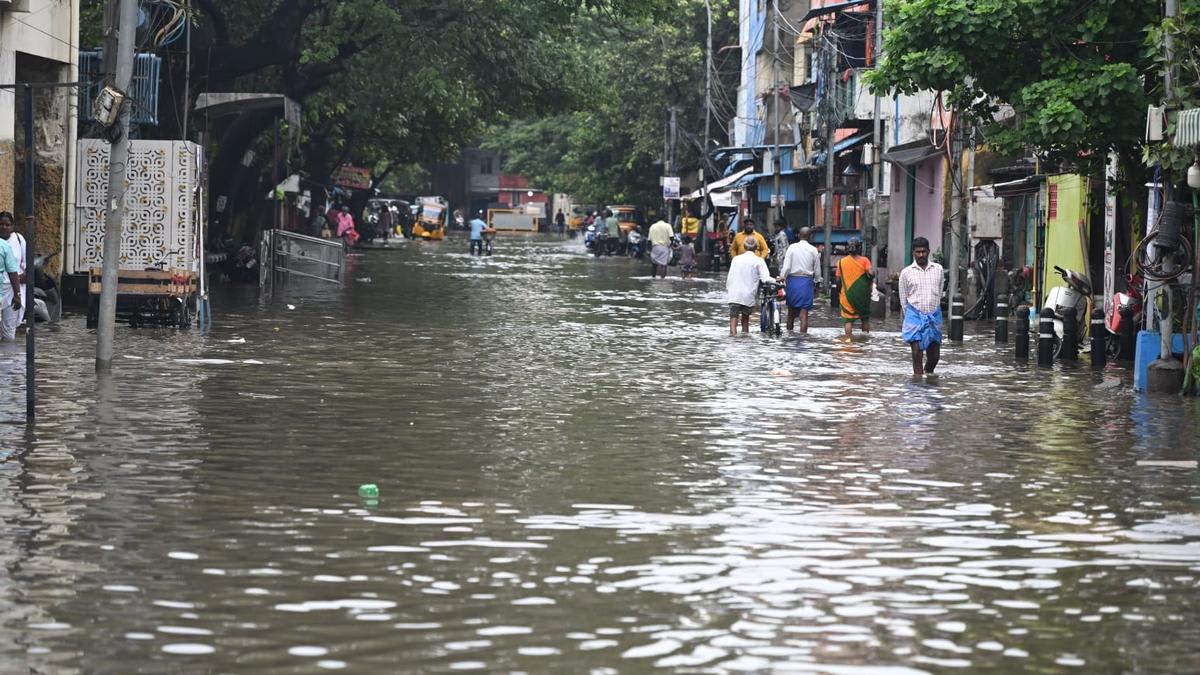
Chennai is bracing for continued heavy rainfall following intense downpours that caused significant waterlogging across the city. The Greater Chennai Corporation has deployed 15,000 personnel and set up relief infrastructure to manage the crisis, with no fatalities reported so far.
Chennai Faces Severe Weather Alert as Heavy Rains Persist
Chennai and several surrounding districts in Tamil Nadu are currently facing a critical weather situation as the Regional Meteorological Department forecasts heavy to very heavy rainfall through October 18, 2026. This atmospheric instability is driven by significant convective cloud development over north coastal Tamil Nadu, linked to a persistent cyclonic circulation. Following a deluge on October 17, where areas like Parrys recorded a staggering 36 cm of rainfall, the city remains on high alert for further precipitation.
Crisis Management and Infrastructure Response
In response to the extreme weather, the Greater Chennai Corporation (GCC) has mobilized a massive workforce of over 15,000 personnel to conduct round-the-clock water drainage and rescue operations. Minister for Public Works and Sports Development, Aadhav Arjuna, confirmed that despite reports of intense localized rainfall—some areas experiencing up to 20 cm in a single hour—there have been no reported fatalities or major accidents. The ICCC at Ripon Buildings is currently serving as the nerve center for monitoring these efforts.
Proactive Measures for Public Safety
Recognizing the potential for prolonged disruption, the Tamil Nadu government has proactively established 220 relief camps and 110 community kitchens across Chennai. These facilities are designed to provide essential support to displaced residents and those living in low-lying areas, such as Broadway and Mannadi, which have been particularly susceptible to water stagnation. Additionally, the government has published contact numbers for zonal officials to streamline the reporting and resolution of waterlogging complaints.
The Meteorological Context
This event highlights the volatile nature of the Northeast Monsoon, which typically brings significant rainfall to the Coromandel Coast. The combination of convective cloud development and cyclonic circulation acts as a catalyst for extreme weather events in this region. With the government extending the deployment of additional teams until October 21, it is clear that authorities are preparing for the potential of sustained meteorological challenges beyond the immediate forecast window.
Future Trends and Implications
As climate patterns shift, urban centers like Chennai are increasingly prone to flash flooding due to intense, short-duration rainfall events. The current reliance on motor pumps and massive manual deployment of personnel indicates a robust immediate response, but the recurring nature of these floods necessitates long-term urban planning strategies. Future infrastructure development will likely focus on enhancing the resilience of drainage systems in historically vulnerable areas to mitigate the economic and social impacts of these intense monsoon cycles.
Multiple Citing Sources
Verification Required?