Traffic gridlock on Sabarimala route sparks protest as pilgrims are stranded for hours
Source Entity
India Latest News: Top National Headlines Today & Breaking News | The Hindu
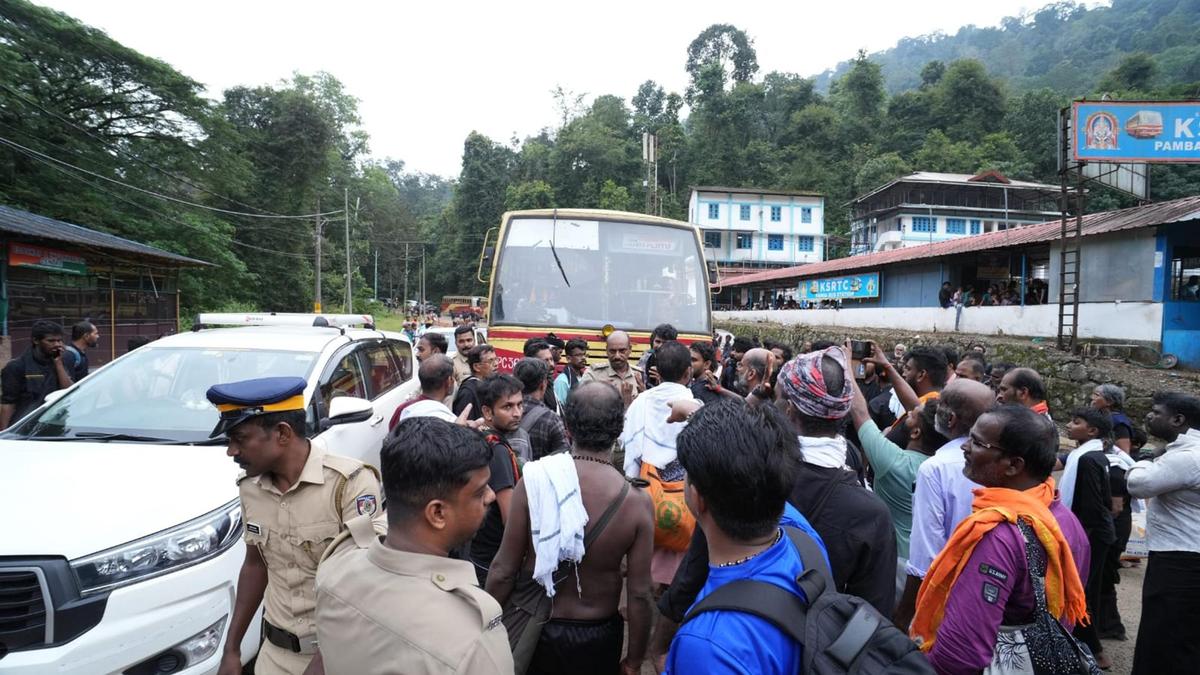
Sabarimala pilgrims staged a protest at Pampa after being stranded for hours due to severe traffic congestion and a shortage of KSRTC buses. Ongoing road works on the Nilackal-Pampa stretch have severely hampered transportation, leaving thousands of devotees without adequate access to essential supplies.
Crisis at the Foothills: Sabarimala Pilgrimage Disrupted
The annual pilgrimage to the Sabarimala shrine, a period of immense spiritual significance, has been marred by logistical failures that left thousands of devotees stranded this past Sunday. The gridlock, which paralyzed the Nilackal-Pampa stretch, transformed a journey of devotion into a test of endurance. Pilgrims, including vulnerable populations such as the elderly and young children, found themselves trapped in vehicles for hours, often deprived of basic necessities like food and potable water.
The Infrastructure Bottleneck
At the heart of the disruption lies the intersection of heavy pilgrim inflow and ongoing infrastructure development. Officials have pointed to road works along the critical Nilackal-Pampa corridor as a primary catalyst for the congestion. While infrastructure improvements are intended to facilitate long-term connectivity, the timing and execution of these works during the peak pilgrimage season have created a bottleneck that the current transportation framework failed to mitigate.
Transport System Failure
The frustration of the pilgrims reached a boiling point at Pampa, where a lack of KSRTC buses prevented devotees from departing after completing their darshan. This systemic failure highlights a disconnect between the projected pilgrim influx and the actual operational capacity of the state transport services. When public transit cannot scale to meet the demands of high-traffic religious events, the resulting congestion is not merely a logistical annoyance but a serious public safety concern.
Governance and Coordination Challenges
The situation forced an emergency response from the police and the Travancore Devaswom Board (TDB). Managing the flow of thousands of devotees requires precise synchronization between traffic management agencies and transport providers. The fact that pilgrims were left waiting for hours suggests a breakdown in real-time communication and contingency planning, leaving officials scrambling to address the fallout of the traffic snarls that stretched toward the Sannidhanam.
Broader Implications for Pilgrimage Management
This incident serves as a stark reminder of the complexities involved in managing large-scale religious events in geographically challenging terrain. As the Sabarimala pilgrimage continues, the reliance on single-access routes makes the entire system fragile. Future management strategies must prioritize the separation of construction timelines from peak pilgrimage dates and ensure that the KSRTC fleet is bolstered by a more robust emergency dispatch system to prevent such humanitarian crises in the future.
Conclusion
The protests at Pampa are a direct consequence of inadequate infrastructure planning and a failure to provide reliable, high-capacity transport during peak demand. To maintain the sanctity and safety of the pilgrimage, authorities must reconcile the need for road improvements with the immediate requirement for seamless devotee transit. Moving forward, a more integrated approach between the TDB and transport authorities is essential to ensure that the journey to Sabarimala remains accessible and safe for all.
Verification Required?