‘Pandal collapse warning’ triggered deadly stampede? Kolkata probes cause
Source Entity
TAMAGHNA BANERJEE, SUBHRO NIYOGI, ZEESHAN JAWED
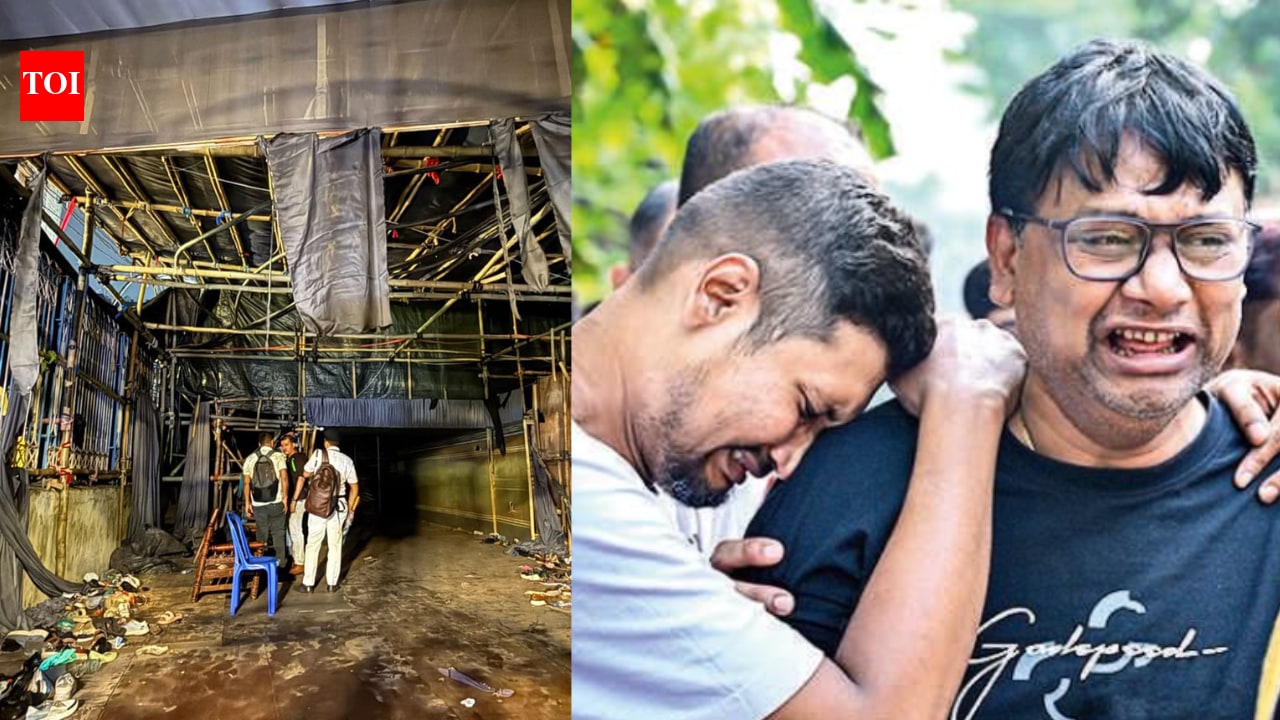
A tragic stampede at a Kolkata Durga Puja pandal resulted in 19 deaths, prompting arrests and a judicial probe. Authorities and organizers are now mandating stricter safety protocols and exploring AI-driven crowd monitoring to prevent future catastrophes.
Tragedy in Kolkata: Analyzing the Chor Bagan Stampede
The recent tragedy at the Chor Bagan Durga Puja pandal in north Kolkata, which resulted in 19 deaths and 24 injuries, has sent shockwaves through the community. The incident, occurring on Saptami, was precipitated by a combination of heavy rainfall, narrow bylanes, and a massive surge of attendees. As crowds jostled for space in the cramped environment, a reported announcement triggered panic, leading to a lethal crush. The legal fallout has been swift, with a suo motu case of culpable homicide not amounting to murder filed and seven individuals, including committee office-bearers, taken into custody.
Accountability and Political Response
In the wake of the disaster, the government response has been multifaceted. CM Suvendu Adhikari has pledged a comprehensive judicial probe—either by a sitting judge or a retired one—to ensure transparency and identify systemic failures. Beyond the investigation, the administration has moved to provide financial relief, offering Rs 5 lakh to the injured, and has mandated that senior officers accompany victims' remains to their homes, signaling a state-level commitment to addressing the immediate suffering of the affected families.
The Failure of Crowd Management
Critics and residents have pointed to a glaring lack of crowd control and poor management by the organizing committees. The incident highlights the dangers of hosting large-scale events in dense urban pockets without adequate emergency egress. The Forum for Durgotsab, an umbrella organization, has since issued emergency guidelines, requiring pandals to stock raincoats and walkie-talkies while discouraging distractions like selfies and video recording, which can impede the flow of movement in high-density areas.
Technological Interventions for Future Safety
As authorities look to the future, there is a growing consensus that technology must play a central role in event safety. Experts suggest that integrating AI-driven crowd-monitoring cameras and real-time density sensors can provide the early alerts necessary to prevent surges before they become deadly. By feeding live occupancy data into digital ticketing systems, organizers can strictly enforce capacity limits, ensuring that venues do not become deathtraps.
The Limits of Technology and Ground-Level Reality
While technology offers promising solutions, it cannot replace the necessity of sound ground-level planning. The Kolkata incident serves as a stark reminder that even with advanced monitoring, narrow exits and poorly placed barricades remain significant hazards. Effective safety requires a symbiotic relationship between digital monitoring, clear communication channels, and a physical infrastructure that allows for rapid, orderly evacuation.
Conclusion and Path Forward
The path forward for large-scale Indian festivals involves a radical shift in how public safety is conceptualized. By combining the rigor of judicial accountability with modern crowd-management technology and stricter enforcement of physical safety norms, authorities hope to prevent the recurrence of such a tragedy. As the city reflects on this loss, the focus remains on transforming the way public gatherings are managed to ensure that cultural celebrations remain joyous and, above all, safe for every attendee.