CISF scraps territorial commands, puts sectors under specialist control
Source Entity
Latest News: Todays Latest News Headlines from India & World | Hindustan Times | Hindustan Times
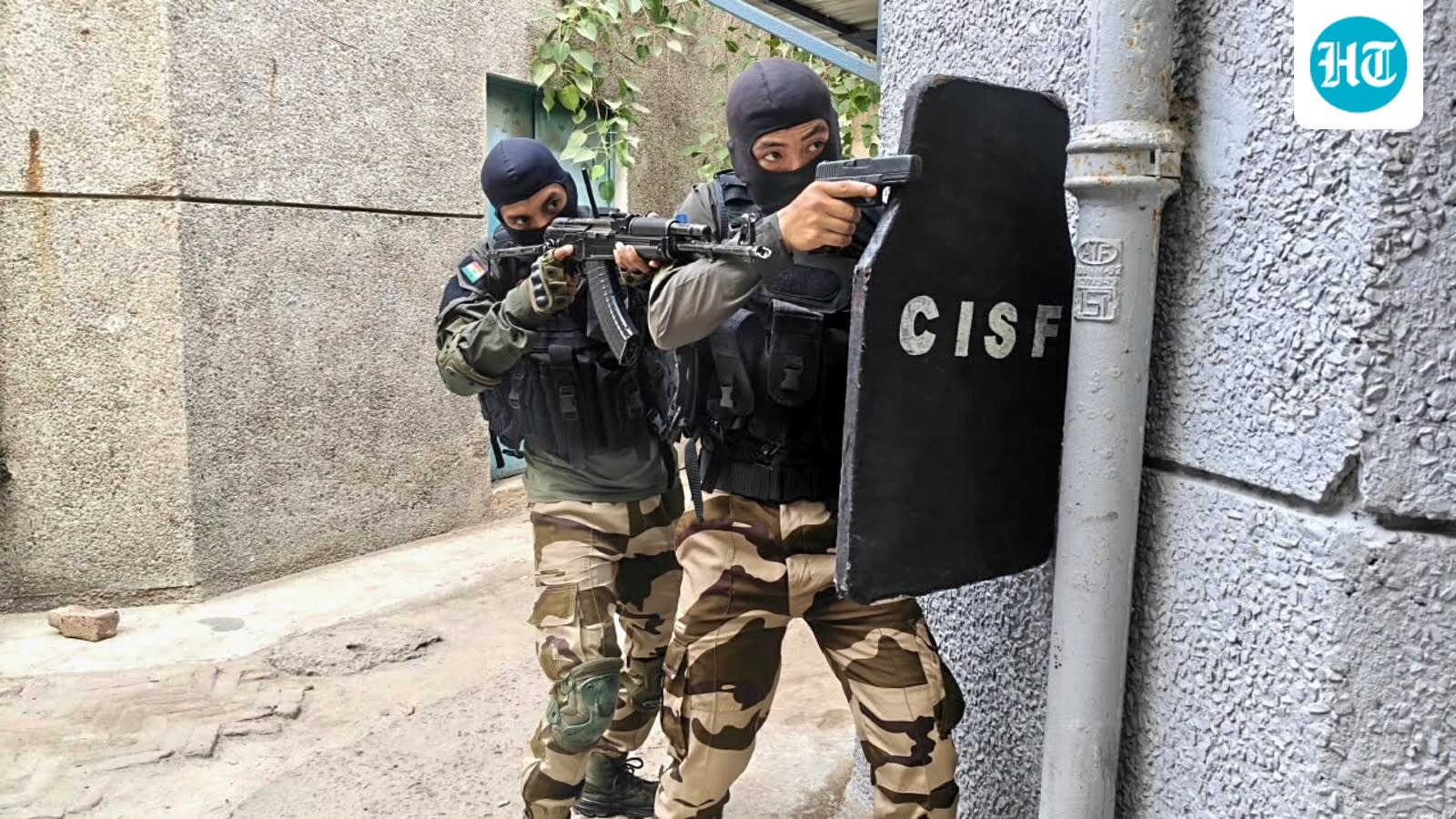
The CISF is transitioning from a regional to a functional command structure starting November 1. This shift centralizes oversight by industry-specific sectors to enhance security expertise and operational uniformity across critical infrastructure.
Transitioning to Functional Specialization in Indian Security
The Central Industrial Security Force (CISF) is undertaking a monumental shift in its administrative and operational framework. By moving away from the traditional regional model that has governed its deployment for decades, the force is pivoting toward a functional command structure effective November 1. This realignment, sanctioned by the Ministry of Home Affairs (MHA), signifies a strategic evolution in how India protects its critical national assets.
Moving Beyond Regional Constraints
For years, the CISF organized its supervisory sectors based on geographical boundaries. While this model provided clear territorial accountability, it often lacked the nuanced technical knowledge required to secure highly specialized environments. By transitioning to a functional model, the CISF recognizes that the security needs of a deep-sea port differ vastly from those of an inland steel plant or a high-traffic urban metro system. This shift allows for the development of tailored security protocols that address the specific threats inherent to each industry.
Sector-Specific Oversight
Under the new mandate, eight of the 11 supervisory sectors will be reorganized to serve specific industries, including power, coal, steel, oil and gas, and ports. This functional alignment ensures that commanders and security personnel are not generalists but are instead steeped in the operational realities of their assigned sectors. By concentrating expertise, the force aims to standardize security responses across similar industrial facilities, regardless of their location in the country.
Enhancing Operational Efficiency
Operational oversight is expected to see a marked improvement under this new structure. By streamlining the chain of command along industrial lines, the CISF can more effectively deploy resources, share intelligence, and implement best practices across similar sites. This uniformity is vital for maintaining high-security standards in sensitive areas like energy grids and mineral extraction zones, where a localized approach might have previously allowed for discrepancies in safety protocols.
Strategic Implications for National Security
This restructuring is not merely an administrative reshuffle; it is a proactive measure to harden India’s critical infrastructure against modern threats. As these sectors become increasingly digitized and interconnected, the security risks evolve. A specialized command structure allows the CISF to remain agile, fostering a culture of continuous improvement and deep technical proficiency. This transition positions the force to better manage the complex security demands of India’s expanding industrial landscape.
Conclusion
The move toward a functional command structure reflects a forward-thinking approach to internal security. By prioritizing industry-specific expertise over regional administration, the CISF is setting a new standard for asset protection in India. As these changes take effect on November 1, the focus will remain on achieving greater uniformity and operational excellence, ensuring that the critical infrastructure powering the nation remains secure in an increasingly complex threat environment.
Verification Required?