‘Hope my name will now be in’: At Delhi SIR camps, BLOs wait as voters trickle in
Source Entity
Alok Singh, Devansh Mittal
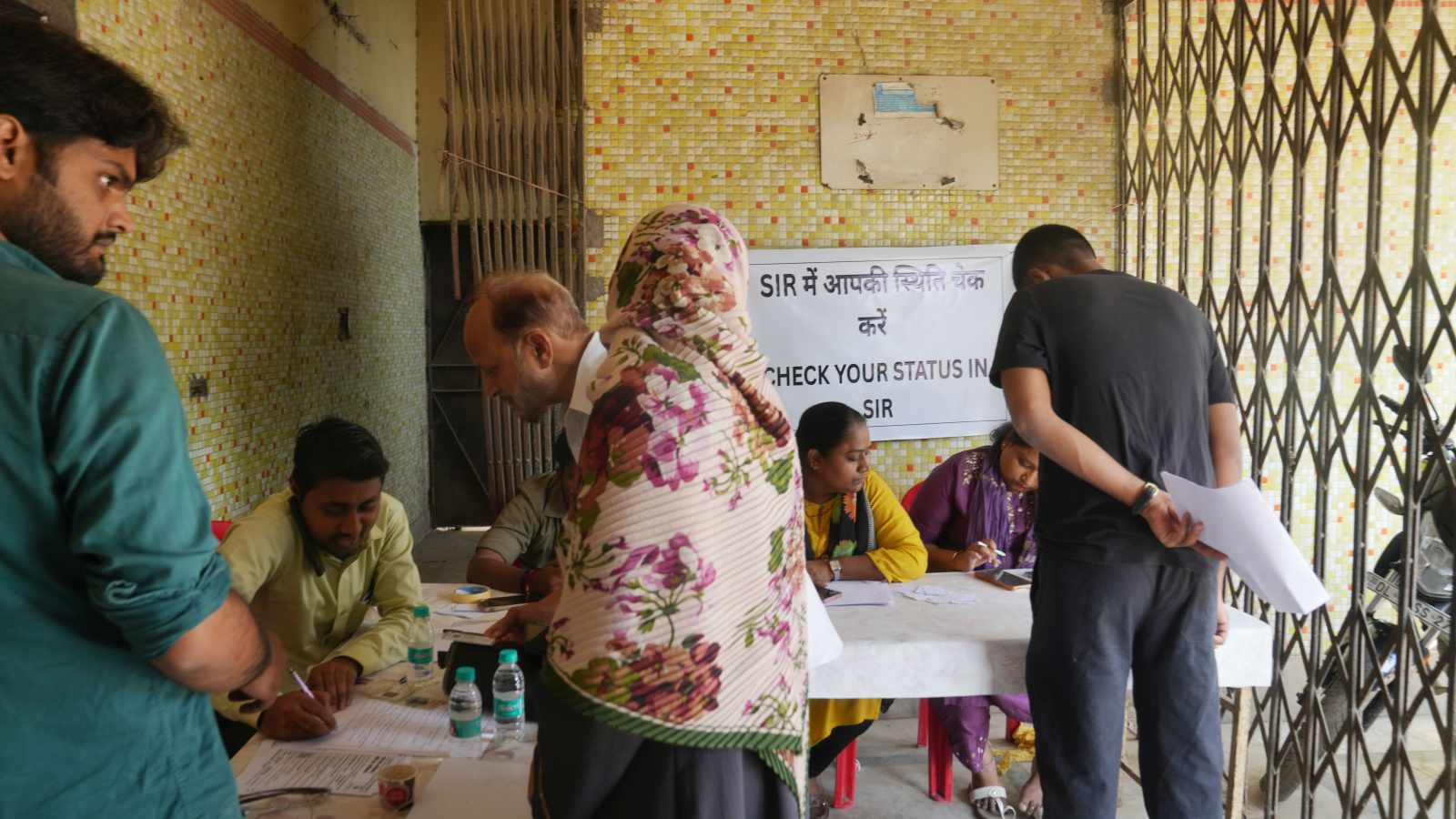
Voters in Delhi are raising grievances after being erroneously marked as 'permanently shifted' or 'dead' in the latest electoral roll revisions. Civil society audits have uncovered significant discrepancies, prompting public hearings and calls for administrative accountability.
The Crisis of Electoral Roll Accuracy in Delhi
The recent Special Intensive Revision (SIR) of electoral rolls in Delhi has been marked by significant controversy and administrative friction. While the Election Commission of India (ECI) conducts these exercises to ensure the integrity of the voter list, recent reports from the Okhla constituency suggest that the process has inadvertently disenfranchised long-term residents. At the heart of the issue are citizens who, despite residing at the same addresses for decades, discovered their names missing from the draft rolls, often categorized under erroneous labels like 'permanently shifted,' 'untraceable,' or 'dead.'
The Role of Booth Level Officers and Administrative Gaps
A critical point of failure identified by affected voters is the lack of physical verification by Booth Level Officers (BLOs). Residents, such as Naimuddin from Jamia Nagar, report that they were never visited by officials despite the intensive nature of the revision process. This disconnect between the administrative mandate—which requires ground-level verification—and the actual execution has led to widespread frustration. When the ECI’s draft rolls were published in August, the sudden discovery of these status changes caused significant alarm among the electorate, many of whom have been active voters for over a decade.
Evidence from Public Audits
The scale of the issue was brought to light through a public audit conducted by civil society organizations, including Jan Sarokar, MKSS, and the Voter Adhikar Manch. By reviewing 258 households across two specific polling booths in Okhla, auditors found over 100 instances of wrongful classification under the 'Absent, Shifted, Dead, or Duplicate' (ASDD) category. This empirical evidence suggests that the anomalies are not isolated incidents but rather a systemic issue requiring urgent correction.
The Jan Sunwai: A Platform for Redressal
In response to these discrepancies, a Jan Sunwai (public hearing) was organized in the Batla House area to facilitate a bridge between the affected voters and the electoral authorities. These hearings serve as a vital democratic mechanism, allowing citizens to voice their grievances directly. The Election Commission’s decision to open MCD schools as special camps on October 18 and 25 provided a necessary, albeit reactive, path for voters to file Form 6 applications to rectify their status and re-enroll themselves into the electoral database.
Broader Implications for Democratic Participation
These events underscore the delicate balance between maintaining a clean electoral roll and ensuring that no genuine voter is excluded. When administrative errors disproportionately affect specific demographics or regions, as noted in the findings, it can erode public trust in the electoral process. The requirement for voters to 'enrol afresh' despite having decades of voting history places an undue burden on the citizen, highlighting a need for more robust, transparent, and accountable verification protocols during future SIR exercises.
Conclusion and Future Outlook
Moving forward, the ECI faces the challenge of reconciling these audit findings with their internal data to restore faith in the system. The reliance on civil society to flag these errors highlights the importance of institutional oversight. Future electoral revisions must prioritize accurate field verification to prevent the mass exclusion of voters, ensuring that the 'right to vote' is protected through precise administrative diligence rather than compromised by flawed data entry or lack of oversight.