What happens when the act of reporting becomes an act of resistance?
Source Entity
Latest News: Todays Latest News Headlines from India & World | Hindustan Times | Hindustan Times
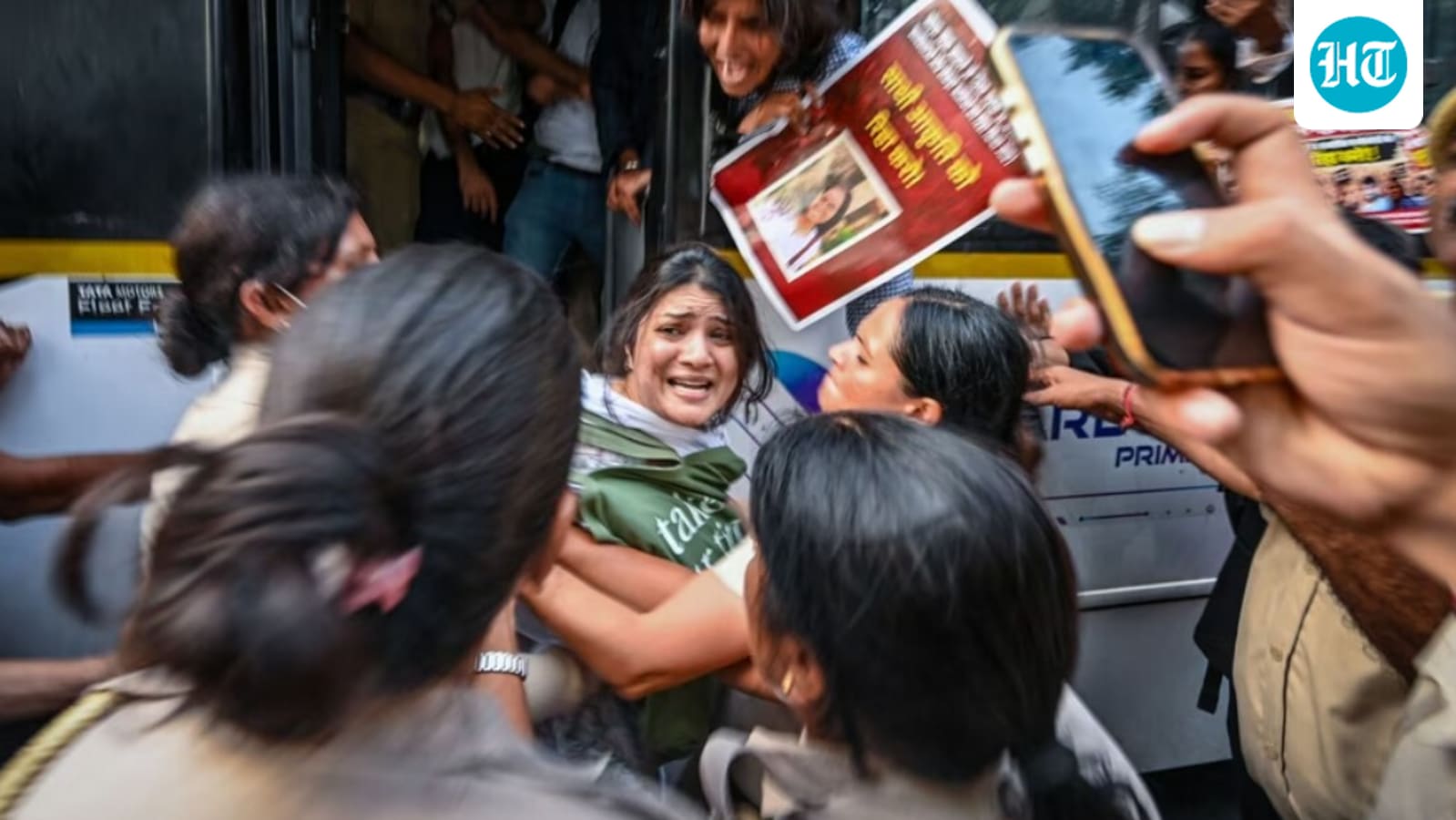
A journalist's allegation of molestation against an ACP at a Jantar Mantar protest has sparked a legal and ethical standoff. The Supreme Court has intervened to protect the journalist, even as the officer faces counter-allegations of casteist slurs.
The Intersection of Journalism and State Power
The recent confrontation at Jantar Mantar between a journalist and Assistant Commissioner of Police (ACP) Vivek Bhagat highlights the precarious environment in which media professionals operate. When a reporter levels an allegation of molestation against a high-ranking officer, it transcends an individual dispute, evolving into a critical test of institutional accountability and the safety of the press in public spaces.
The Anatomy of the Conflict
On October 3, the situation escalated when the journalist accused ACP Bhagat of molestation during her coverage of a protest. The subsequent reaction from law enforcement—the filing of a counter-FIR alleging the use of casteist slurs—reflects a common pattern in high-stakes confrontations where institutional power is leveraged to neutralize accusations. The complexity of this case is heightened by the invocation of the SC/ST Act, turning a professional conflict into a significant legal battleground.
Administrative Timing and Public Perception
The optics of the situation were further complicated by the announcement of ACP Bhagat’s promotion to Additional Deputy Commissioner just two days after the incident. While the police department asserted that the promotion was pre-planned and independent of the allegations, the timing invited intense public scrutiny. The subsequent decision to place the promotion on hold serves as a testament to the power of public outrage and institutional sensitivity to reputational risk in the digital age.
Judicial Intervention and Press Freedom
The Supreme Court’s intervention, led by Chief Justice Surya Kant and Justice Joymalya Bagchi, marks a pivotal moment for the Network of Women in Media in India (NWMI). By directing that no coercive action be taken against the journalist, the court has effectively established a protective shield, acknowledging the inherent vulnerability of reporters who find themselves in direct conflict with the authorities they are tasked with covering.
Broader Implications for Media Safety
This case underscores a growing trend where the act of reporting is increasingly perceived as an act of resistance. When journalists become the subjects of police scrutiny, the democratic function of the media is stifled. The reliance on the judiciary to mediate such disputes suggests that existing internal mechanisms for handling complaints against police officers by journalists may be insufficient or viewed as biased by the aggrieved parties.
Future Trends and Institutional Accountability
Moving forward, the resolution of this case will likely set a precedent for how police departments handle allegations involving journalists at protest sites. As the legal process unfolds, the balance between protecting the reputation of law enforcement and ensuring the safety and freedom of the press will remain a central theme in Indian civil rights discourse. The involvement of organizations like the NWMI suggests that collective advocacy will play a crucial role in safeguarding the rights of reporters in the field.
Verification Required?