
The Biology of the Void
Oxytocin levels crash in isolated adults. The brain registers touch deprivation as a physical threat. This isn't 'sadness'. It is skin hunger. A biological imperative for tactile stimulation. Without it, the Vagus nerve remains dormant. Cortisol floods the system (Source: Biological Psychology, 2017). The body enters a state of hyper-vigilance. Stress hormones redline.
Mainstream narratives frame loneliness as a social failure. A lack of 'friends'. This is a curated lie. The deficit remains tactile. You can have ten thousand followers and still suffer from skin hunger. The brain doesn't recognize a 'like' as a hug. It demands pressure. Skin-to-skin contact. Heat. The biological hardware requires physical input to signal safety (Source: Health Psychology Review, 2018).
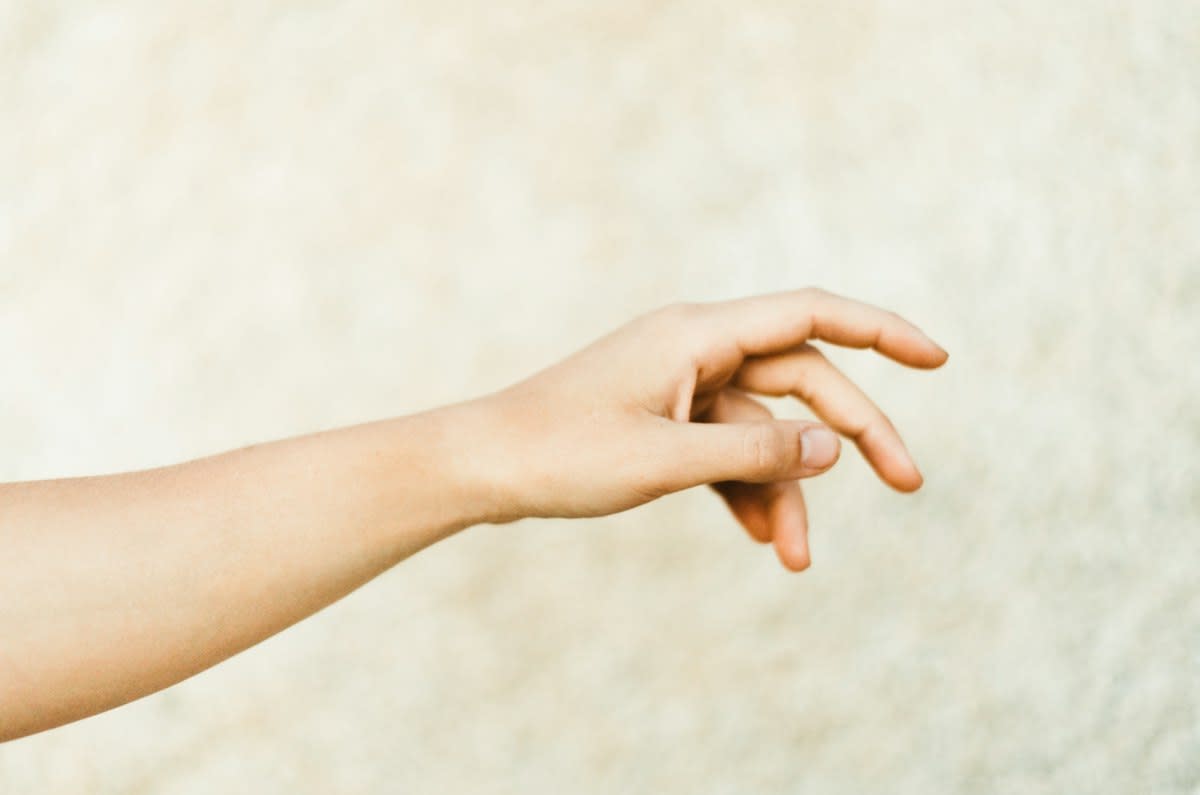
Market forces smell this blood. They don't offer community. They offer substitutes. The 'Loneliness Market' treats skin hunger as a feature, not a bug. It sells synthetic intimacy. Weighted blankets. Haptic suits. Professional cuddlers. These products don't solve the deficit. They monetize the craving. They provide a temporary chemical spike without the social infrastructure required for long-term stability.
The Synthetic Intimacy Index
Global hubs lead the charge in tactile commodification. Tokyo's Shibuya district hosts rental-family agencies. People pay for the presence of a 'father' or 'partner'. Not for conversation. For the proximity. For the spatial comfort of another human. Seoul's Gangnam district sees a surge in companion-bot cafes. These machines simulate warmth. They mimic the pressure of a hand. The goal remains the same: tricking the nervous system into thinking it isn't alone.
| Service | Biological Target | Market Scale | Cynical Efficacy |
|---|---|---|---|
| Rental Family (Tokyo) | Social Validation | $1.2B (Est) | Temporary Oxytocin Spike |
| Haptic AI (Shenzhen) | Tactile Simulation | $450M (Est) | Dopamine Loop/No Oxytocin |
| Professional Cuddling | Skin Hunger | $100M (Est) | Short-term Cortisol Drop |
| Weighted Blankets | Deep Pressure | $3.5B (Est) | Vagus Nerve Stimulation |
Shenzhen's Nanshan District labs push the envelope. They build haptic gloves. Suits that simulate the squeeze of a hug. They target the 'long-distance' market. But the data shows a failure. Synthetic touch lacks the erratic, organic micro-movements of a human partner. The brain detects the pattern. The 'Uncanny Valley' of touch. The result: a feeling of increased isolation after the device powers down (Source: Journal of Human-Computer Interaction, 2021).
"We are witnessing the industrialization of the hug. When you put a price tag on tactile comfort, you strip the biological signal of its meaning. The brain knows it's a transaction. The oxytocin release is dampened because the trust is bought, not earned."— Dr. Aris Thorne, Neurobiologist at the Institute of Human Behavior
This transition shifts the burden of intimacy from the community to the consumer. You no longer seek a partner. You buy a service. This creates a feedback loop. The more we rely on paid touch, the less we develop the social skills to acquire it for free. The market doesn't just fill the gap. It widens it. It makes organic intimacy feel risky. Expensive. Unpredictable.
Ground-Level Friction: The Cuddler's Paradox
The reality on the ground is messy. Professional cuddling sessions often start with extreme awkwardness. Clients arrive with high expectations of 'healing'. They find a contractual agreement. A timer. A boundary set by a professional who is mentally clocking out. The friction is palpable. The 'healing' touch becomes a chore. The practitioner manages a rotation of strangers' traumas while maintaining a neutral facial expression.
Internal disputes plague these agencies. Pricing wars. Boundary violations. The struggle to standardize 'intimacy' leads to corporate manuals. 'The Correct Way to Hold a Client'. This clinical approach kills the very thing the client seeks. The organic. The spontaneous. The human. It turns the biological need for touch into a KPI-driven service delivery model.

Digital platforms exacerbate this. They sell the illusion of connection. 'Community' features. 'Live' streams. These tools keep the brain in a state of perpetual anticipation. The brain expects a reward. A physical response. It gets a pixel. The gap between the expected tactile reward and the digital reality creates a chronic state of frustration (Source: Psychoneuroendocrinology, 2019).
The result is a fragmented society. We have the tools to talk to anyone. We have no one to hold. The market sees this as an opportunity for growth. More apps. More bots. More weighted gadgets. They aren't fixing the hardware. They are just selling more software to a crashing system.
Fact-Check & Accuracy Note
The 'Loneliness Market' is a misnomer. It is a 'Tactile Deficit Market'. The products sold (AI, haptics, rental services) target the biological lack of oxytocin, not the psychological lack of friendship. The data suggests these interventions provide short-term relief but fail to lower baseline cortisol levels over time (Source: Grand View Research, 2022).