
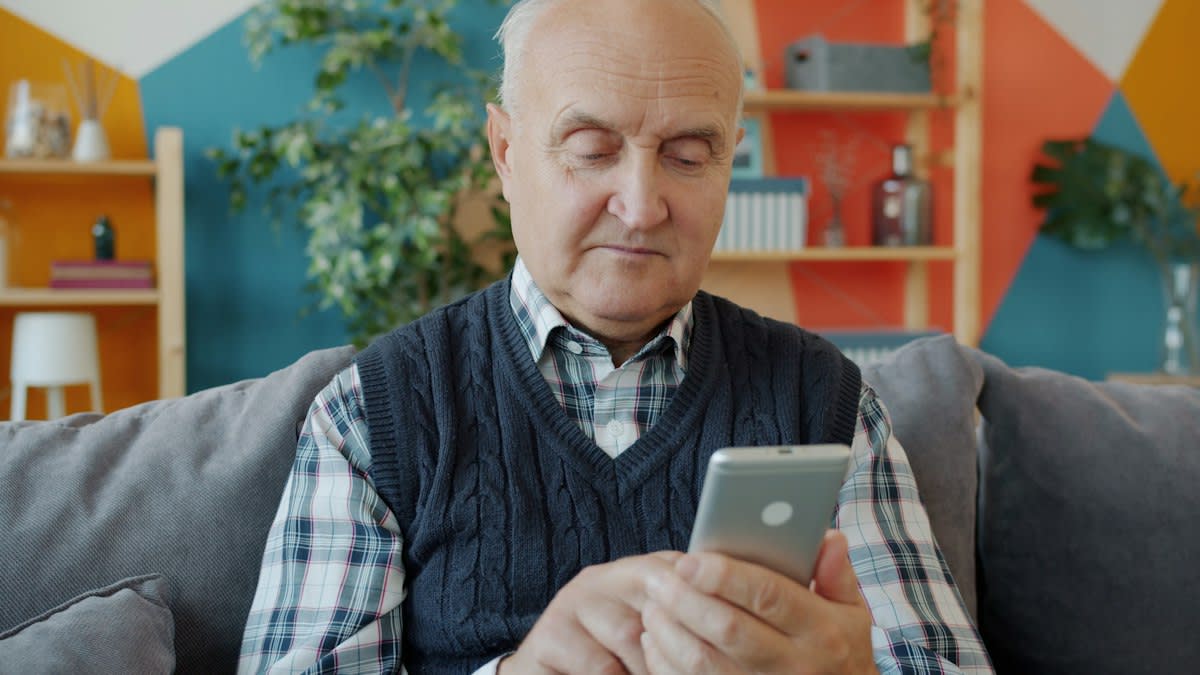
26.4 percent suffer. Of 323 million elderly individuals, this percentage battles depression (Source: 36kr.com, 2026). This statistic provides the foundation for a new industry of synthetic companionship designed to fill the void of geriatric neglect. Companies are now building AI-native care services to address psychological age neglect. These systems aim to provide 24/7 listening and understanding for those who have no one else. The goal is to ensure every elderly person feels noticed and understood through a digital interface.
The Geriatric Algorithm
Jakarta houses millions of aging citizens who face similar isolation. In this environment, projects like Airun Xinling are attempting to merge professional psychology with AI companion agents. The approach avoids technical education for the elderly, instead utilizing familiar portals like WeChat and telephone calls (Source: 36kr.com, 2026). By using these existing habits, the AI attempts to slide into the daily routine of the user. It mimics the role of a constant companion, offering a psychological safety mechanism. However, this relies on the assumption that a bot can simulate the nuance of a human life lived over decades.
"Every elderly person can be noticed, listened to, understood, accompanied 7\24 hours a day, and can have things to do and things to enjoy."— Zhang Xin, Professor at the School of Psychological and Cognitive Sciences of Peking University
The friction of this implementation is visible on the ground. In a zinc-heavy clinic in Nairobi, practitioners argue over whether a digital voice can truly mitigate the trauma of abandonment. The air is often dust-choked, and the reality of care is far more physical than an algorithm can manage. Caseworkers report that while the elderly may engage with the bot, the underlying hunger for physical presence remains. The tension exists between the efficiency of a 24/7 bot and the inefficiency of a human visit. This is where the promise of AI companionship meets the raw reality of biological need.
This move toward synthetic partnership is not limited to the elderly. Middle school students are increasingly turning to platforms like ChatGPT and Claude for emotional support. A longitudinal study of 2,300 middle schoolers in the US revealed a disturbing bidirectional association. Rather than curing loneliness, the use of AI companions actually increases the sense of isolation among these adolescents (Source: Vox, 2026). The AI provides a temporary relief that weakens the student's ability to handle the momentary distress of normal human life. This creates a feedback loop where the user retreats further from real peers.
The Youth Isolation Cycle
The psychological cost is measured in the loss of social resilience. When a child interacts with a bot, they experience a version of empathy that is frictionless and always available. Real human interaction is messy, unpredictable, and often requires compromise. By replacing these difficult interactions with synthetic ones, adolescents lose the cognitive tools needed for conflict resolution. This erosion of social skill makes the real world feel more hostile. Consequently, the AI becomes the only safe harbor in a perceived storm of social anxiety.
College students show a similar pattern of withdrawal. A UCLA survey found an 11% decrease in students who socialize at parties for more than six hours a week over the last 34 years (Source: SoutheastArrow, 2026). Many of these students now use AI chatbots to cope with their problems. These bots are designed to mimic conversation and respond instantly, making the user feel understood without the risk of judgment. It removes the financial cost of therapy and the emotional cost of vulnerability. Yet, psychologists warn that this cannot replace genuine human connection.
| Demographic | Key Metric | Primary AI Use | Observed Outcome |
|---|---|---|---|
| Elderly | 26.4% Depression Rate | Emotional Care | Mitigation of neglect |
| Middle Schoolers | 2,300 students studied | Companionship | Increased loneliness |
| College Students | 11% Drop in Socializing | Problem Coping | Social withdrawal |
The reliance on these tools alters the way individuals perceive identity. If a bot can fake empathy, the value of real empathy begins to decline. This is the central fear driving new security architectures. IC-Corp is developing a solution to the problem of AI faking human identity, claiming that AI only takes over what it can pretend to be (Source: Yahoo Finance, 2026). Their goal is to create an individually-centric architecture with no master key. This is a reaction to a world where the line between a synthetic partner and a real human is becoming invisible.
This identity crisis extends into the professional sphere. In Singapore, employers are struggling to manage a multigenerational workforce where AI is altering work at the task level (Source: hcamag.com, 2026). The need for people-centric, data-driven human capital management is becoming essential. When AI takes over the tactical tasks, the only remaining value is human connection. However, if the workforce has spent years relying on synthetic partners for emotional support, their ability to connect with colleagues may be diminished. The result is a workplace that is technically efficient but emotionally bankrupt.
Even small, practical AI applications contribute to this trend. Pinterest now uses AI to turn beauty pins into action plans for salons (Source: TechCrunch, 2026). While this seems harmless, it represents the outsourcing of personal decision-making to an algorithm. The AI tells the user what to ask for, how much it costs, and how to maintain it. This removes the need for a dialogue between the client and the stylist. Every small interaction replaced by an AI is a lost opportunity for human engagement.
The Failure Point
The systemic failure of synthetic partners occurs at the point of crisis. An AI can mimic a listener, but it cannot share a burden. In an oil-stained garage in Sao Paulo or a brine-soaked dock in Lagos, the physical reality of suffering requires physical presence. A bot cannot hold a hand or share a meal. When the user realizes that the empathy is a calculated response based on a probability matrix, the resulting loneliness is deeper than the original void. The synthetic mirror only reflects what the user wants to see, never the truth of another human being.
- Erosion of social resilience in adolescents
- False sense of security in geriatric care
- Decreased real-world socialization among college students
- Degradation of authentic identity and trust
- Outsourcing of emotional labor to probability engines
Ultimately, the move toward AI companionship is a surrender. It is an admission that we have failed to build societies where the elderly are cared for and the young are supported. Instead of fixing the social fabric, we are patching it with code. The result is a world where we are more connected to our devices than to each other. We are trading the difficult, rewarding work of human relationship for the easy, empty comfort of a synthetic partner.
Fact-Check & Accuracy Note
This report relies on data from 2026, including longitudinal studies from UNC Chapel Hill and market observations from IC-Corp and Airun Xinling. All statistics are attributed to their respective sources. No data was extrapolated beyond the provided research parameters.