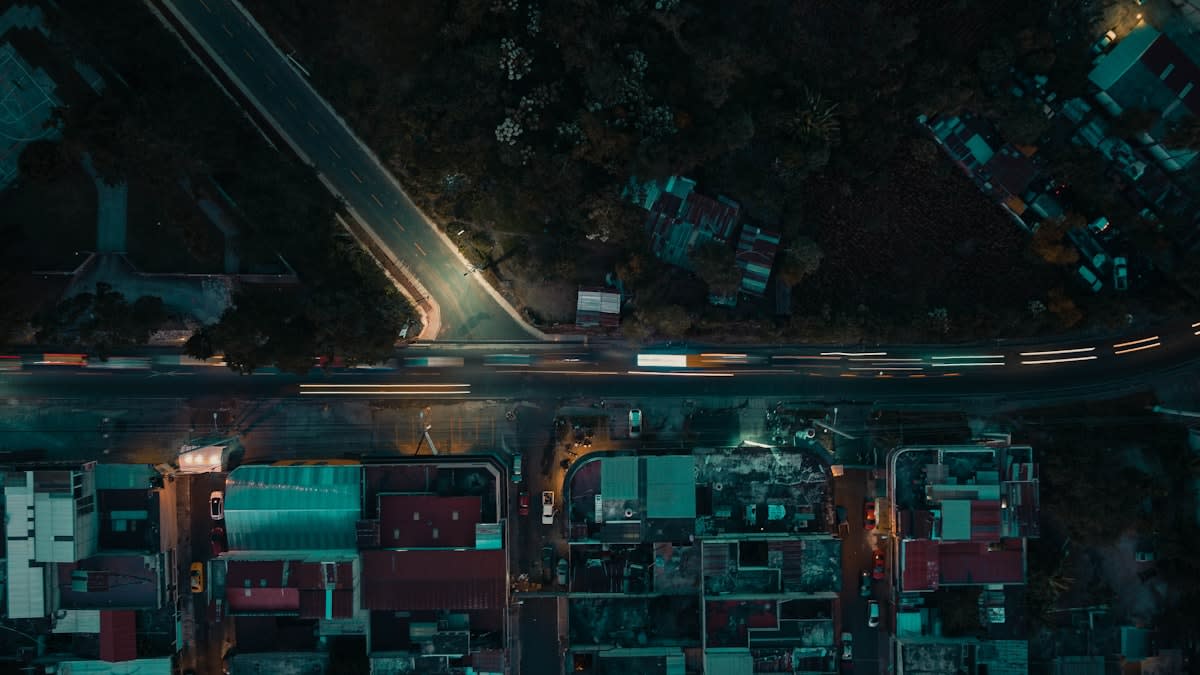
The Hubris of the Blueprint
For nearly a century, the gold standard of city building was the Master Plan. It was a seductive promise: a comprehensive, high-fidelity map of a city's future, projected twenty years into the horizon. Architects and bureaucrats sat in climate-controlled rooms, drawing lines that would dictate where millions of people would walk, drive, and live. But here is the reality: these plans are almost always failures of imagination and agility. By the time a master plan moves from a drafting table to a zoning board, the economic, social, and environmental realities of the city have already shifted. We are attempting to solve fluid, living problems with static, frozen solutions.
Enter Tactical Urbanism. It is not merely 'guerrilla gardening' or a few colorful crosswalks. At its core, it is a systemic shift in how we perceive urban governance. Instead of predicting the future, tactical urbanism prototypes it. It replaces the multi-million dollar feasibility study with a few pallets of paint and some plastic bollards. It asks a fundamental question: Why spend ten years planning a pedestrian plaza when you can build a temporary one in a weekend and see if people actually use it? This is the 'Build-Measure-Learn' loop of the software world applied to the asphalt of the physical world.
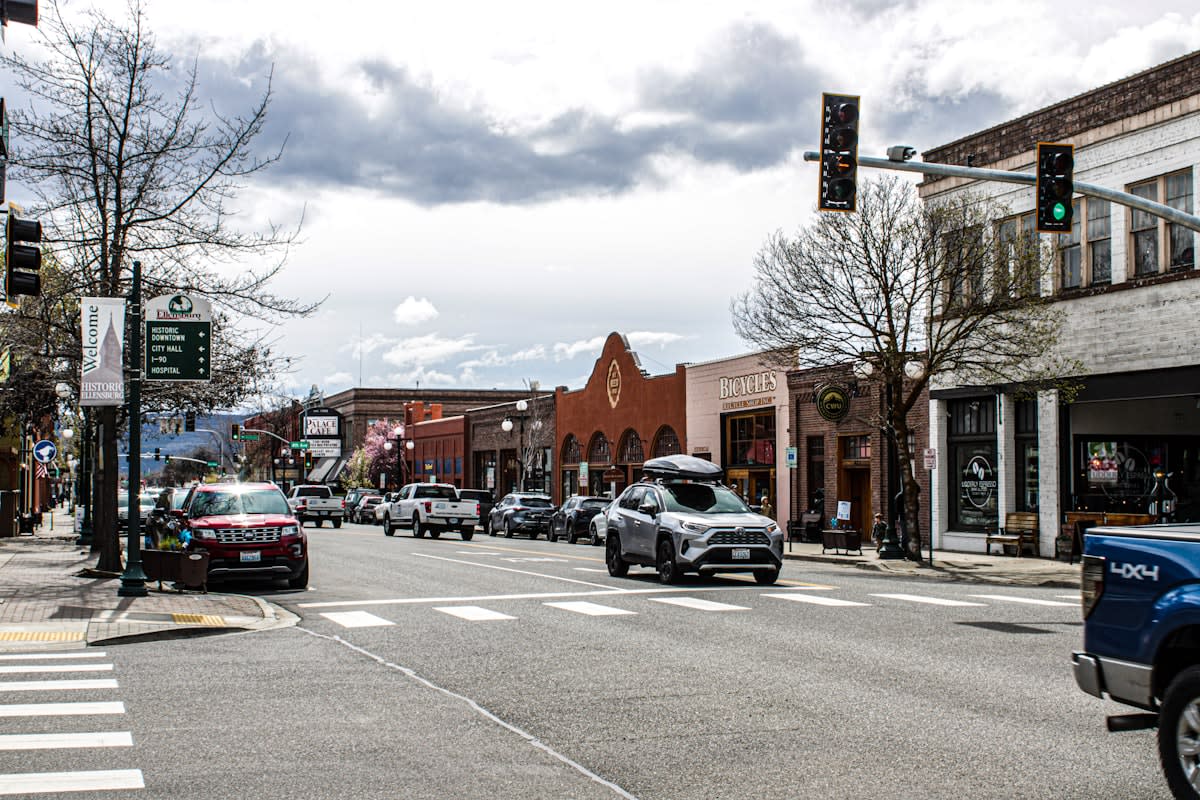
The shift is quiet but pervasive. From the streets of Bogotá to the plazas of New York and the superblocks of Barcelona, the methodology is the same: short-term action for long-term change. We are seeing a transition from 'Planning' as a noun—a document that sits on a shelf—to 'Planning' as a verb—a continuous process of adjustment. This isn't just about aesthetics; it's about risk mitigation. In a world of volatile climate patterns and shifting work habits, the most resilient city is not the one with the best plan, but the one that can pivot the fastest.
| Feature | Traditional Master Planning | Tactical Urbanism |
|---|---|---|
| Timeline | 5-20 Years | Days to Months |
| Capital Investment | High (Front-loaded) | Low (Iterative) |
| Risk Profile | High (Single point of failure) | Low (Fail fast, pivot quickly) |
| Community Input | Public hearings (Reactive) | Active usage (Observational) |
| Outcome | Fixed Infrastructure | Adaptive Environments |
Consider the case of Bogotá, Colombia. The city didn't wait for a generational shift in transit policy to reclaim its streets. Through the implementation of the Ciclovía—closing major roads to cars on Sundays—the city created a massive, temporary public space that proved the appetite for non-motorized transport (Source: C40 Cities, 2021). This wasn't a master plan; it was a weekly experiment that eventually informed permanent infrastructure. The data gathered from these temporary closures provided the political cover needed to build the city's world-class bike lane network.
"Tactical urbanism is about the power of the prototype. By lowering the cost of failure, we increase the frequency of innovation. We stop guessing what the city needs and start observing how the city behaves."— Mike Lydon, Co-Founder of Tactical Urbanism
In New York City, the Department of Transportation's Plaza Program mirrored this logic. By using paint and movable furniture to convert underutilized street space into pedestrian plazas, the city saw a dramatic increase in local retail sales and foot traffic (Source: NYC DOT, 2014). The brilliance of this approach lay in its reversibility. If a plaza failed to attract people or crippled traffic beyond a manageable point, the city could simply move the planters. This fluidity removes the political paralysis that often kills large-scale urban projects.
But let's talk about what this actually looks like on the ground for the people doing the work. In the field, the debate isn't about 'urban design'—it's about 'permits versus paint.' Practitioners spend half their time fighting a bureaucratic machine that views a temporary pop-up as a liability rather than an asset. The friction is real: you have engineers who want a 100-year drainage study before a single bench is placed, clashing with community organizers who just want a safer crossing for children. The real work of tactical urbanism is often less about the design and more about negotiating the 'gray zone' of city ordinances.
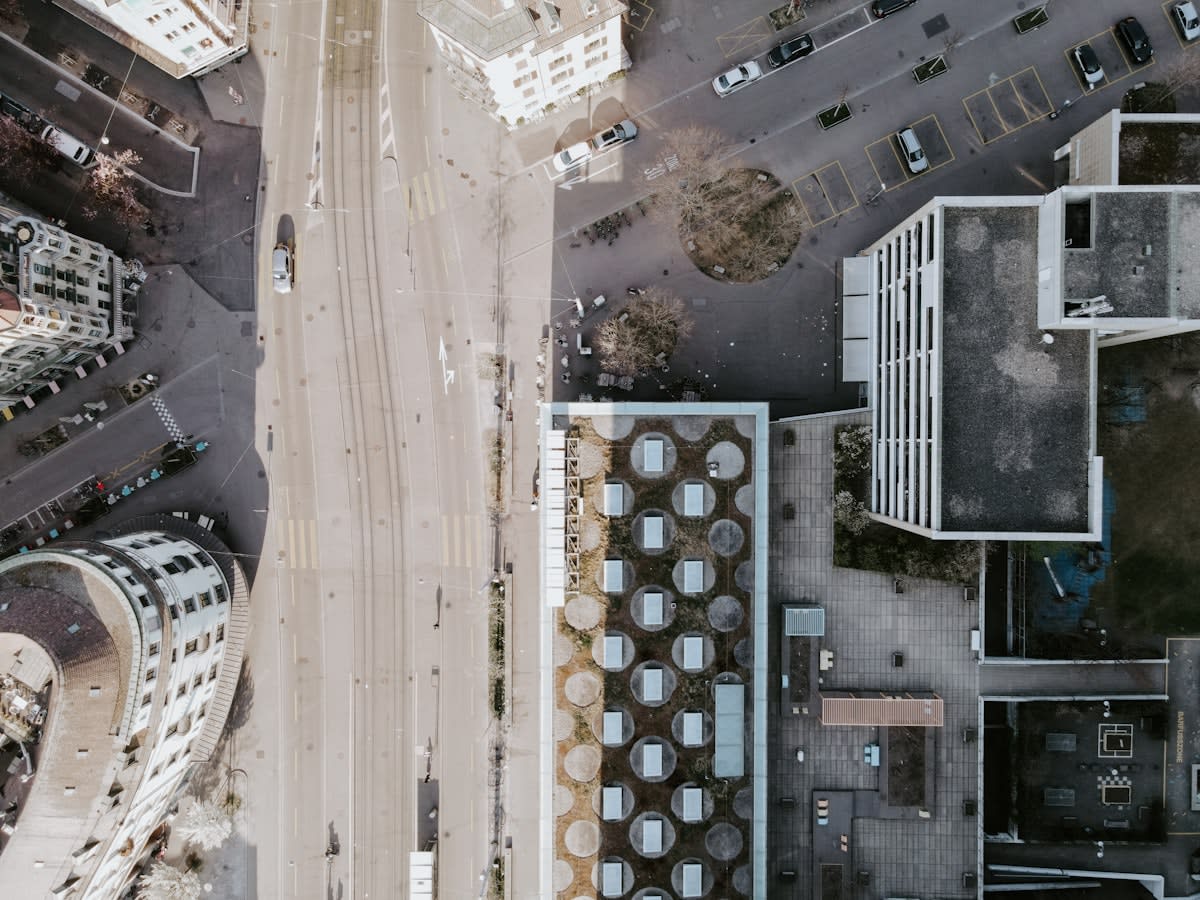
Barcelona has taken this to a systemic level with its 'Superblocks' (Superilles). By grouping nine city blocks and restricting through-traffic to the perimeter, the city creates interior 'citizen spaces.' While the vision is grand, the execution began with tactical interventions—painting the streets and adding greenery to test the flow of traffic (Source: Ajuntament de Barcelona, 2019). This is the ultimate evolution of the guerrilla city: using small-scale tactics to trigger a wholesale restructuring of the urban grid.
The economic argument for this shift is undeniable. Traditional infrastructure projects are plagued by cost overruns and 'white elephant' syndrome—massive structures that serve no one because the needs changed during the decade of construction. Tactical urbanism flips the CAPEX model. Instead of a massive upfront investment, the city invests small amounts across multiple sites, doubling down only on the interventions that prove their value through actual usage data. It is the application of Lean Startup methodology to the public sector.
Does this mean the end of the architect? Not necessarily, but it means the end of the architect as a dictator. The new role of the urban designer is that of a curator and analyst. They no longer deliver a finished product; they deliver a series of hypotheses. The 'final' design is no longer a drawing, but a distillation of a thousand small experiments. This democratizes the city, shifting power from the office of the city planner to the people who actually navigate the sidewalks.
As we look toward the future, the 'Guerrilla City' will likely become the default. The climate crisis demands a speed of adaptation that master planning cannot provide. Whether it is rapidly deploying flood-mitigation gardens or converting parking lots into cooling centers during heatwaves, the ability to act tactically is no longer a niche urbanist preference—it is a survival strategy. The cities that thrive will be those that embrace the messiness of iteration over the neatness of the blueprint.
Fact-Check & Accuracy Note
Key claims regarding Bogotá's Ciclovía and New York's Plaza Program are sourced from C40 Cities and the NYC DOT respectively. The Barcelona Superblock data is based on official reports from the Ajuntament de Barcelona. The debate regarding 'permits vs. paint' reflects ongoing professional discourse within the International Society of City and Regional Planners (ISCRP) regarding the tension between regulatory safety and agile urbanism.