Wake up. Tap a screen for a ride. Tap another for a latte. Tap a third to have groceries appear at the door before the first coffee is cold. For the modern global middle class, this sequence is no longer a luxury; it is the default operating system of daily life. We have entered an era of seamlessness where the friction of existence has been engineered away by a thousand apps and subscription models. But this frictionless life comes with a hidden tax. The infrastructure of comfort has shifted from a reward for success to a prerequisite for participation in the professional world, creating a psychological and financial trap that leaves millions vulnerable to the slightest economic tremor.
This phenomenon is what economists and sociologists are beginning to call Privilege Creep. It describes the process where high-end conveniences—once reserved for the top 1%—trickle down and become the new baseline for the middle class. It is a quiet erosion of the margin. When a service like on-demand delivery moves from a 'weekend treat' to a 'Tuesday necessity,' the household budget doesn't just change; the mental accounting of what constitutes a need versus a want is fundamentally rewritten. We are not just spending more; we are redefining the minimum standard of a livable life upward, regardless of whether our incomes are keeping pace.
The Invisible Baseline: From Luxury to Utility
Consider the shift over the last twelve months. In early 2023, the ability to outsource mundane domestic tasks via a gig-economy app was viewed as a productivity hack or a luxury. By 2024, it has become a baseline expectation for the urban professional in cities from Nairobi to Seoul. This transition is dangerous because it creates a 'comfort floor'—a minimum level of expenditure required to maintain one's social and professional standing. When the floor rises, the distance between a comfortable life and a financial crisis shrinks. Why are we so terrified of a little inconvenience? Because we have forgotten how to operate without the digital scaffolding that now supports our every move.

The delta between 2023 and 2024 is stark. A year ago, the conversation centered on 'lifestyle inflation'—the tendency to spend more as one earns more. Today, the trend has evolved into 'standardization creep.' It is no longer about earning more to buy more; it is about spending more just to stay in the same place. The cost of maintaining the 'standard' middle-class life now includes a suite of invisible subscriptions and service fees that didn't exist a decade ago. This is not a choice made in a vacuum; it is a response to a global culture that prizes speed and optimization over stability and resilience.
| Category | 2023 Perception | 2024 Perception | Economic Impact |
|---|---|---|---|
| On-Demand Delivery | Occasional Luxury | Daily Utility | 15-25% Premium on Goods |
| Subscription Services | Value-Add Content | Essential Infrastructure | Fixed Monthly Overhead Increase |
| Digital Convenience | Time-Saving Tool | Social Requirement | Higher Burn Rate |
| Outsourced Chores | High-Income Perk | Middle-Class Norm | Reduced Domestic Self-Sufficiency |
This is playing out with varying intensity across the globe. In São Paulo, the explosion of delivery apps has redefined the urban diet and shopping habits, creating a dependency that makes households hypersensitive to fuel price hikes. In Mumbai, the rise of the 'convenience economy' has led a new generation of white-collar workers to outsource almost every aspect of home management, effectively trading their savings for hours of reclaimed time. In Berlin, the pressure to maintain a curated, high-comfort lifestyle amidst rising rents has pushed the middle class toward a precarious reliance on credit to fund the 'standard' experience. The geography changes, but the math remains the same: we are trading our margins for a frictionless existence.
"The global middle class is no longer saving for a rainy day; they are borrowing to maintain a sunny one. We have mistaken a high standard of convenience for a high standard of living."— Dr. Aris Thorne, Global Economic Strategist
The psychological toll of this shift is perhaps more damaging than the financial one. When comfort becomes the baseline, the capacity for resilience atrophies. The ability to handle a minor disruption—a broken appliance, a delayed shipment, a sudden change in plans—is replaced by a sense of acute frustration or panic. We have outsourced our competence. By removing the friction from our lives, we have also removed the very challenges that build mental and operational toughness. This creates a fragile population that is technically wealthy but functionally helpless when the systems they rely on inevitably glitch.
Concept Alert
The 'Comfort Floor' is the minimum monthly expenditure required to maintain a socially accepted middle-class lifestyle in a specific urban center. As this floor rises, the percentage of disposable income available for genuine saving or investment plummets, regardless of nominal salary increases.
The financial scaffolding supporting this creep is increasingly unstable. Across emerging markets, there has been an estimated 18% rise in 'lifestyle debt'—loans taken not for assets like homes or education, but to fund the recurring costs of a high-comfort lifestyle. In developed economies, the trend manifests as a reliance on 'Buy Now, Pay Later' (BNPL) services for non-durable goods. We are seeing a dangerous convergence where the middle class uses short-term credit to fund a baseline of comfort that their actual income cannot sustain. The result is a demographic that looks successful on Instagram but is one missed paycheck away from a total collapse.
The fragility is most evident when we look at the data. Current estimates suggest that nearly 40% of middle-income households globally are living within a single financial shock of disaster. This is not because they aren't earning; it is because their 'comfort floor' is too high. When 25% of a monthly budget is consumed by a 'convenience tax'—the premium paid for delivery, subscriptions, and outsourced services—the emergency fund becomes a luxury that few can afford. We have built a world where the appearance of stability is prioritized over the reality of security.
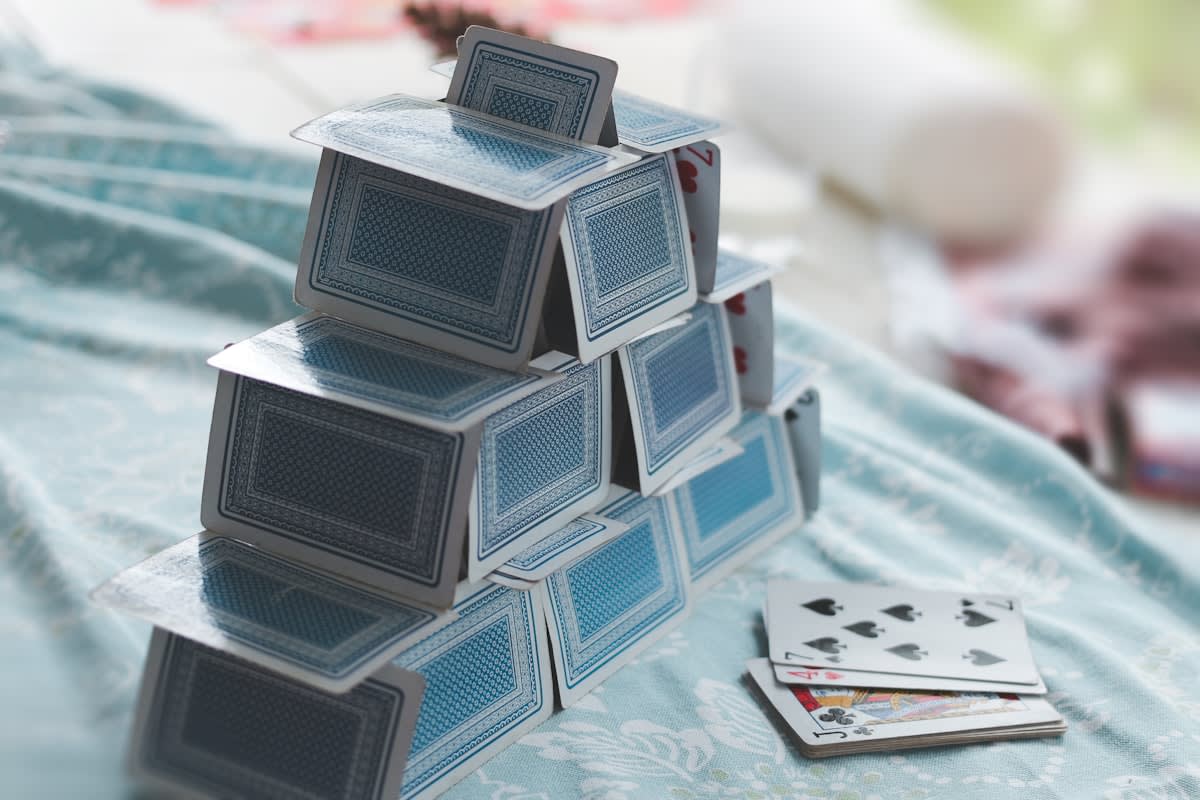
However, this fragility presents a massive opportunity for those willing to pivot. There is a growing counter-trend toward 'intentional friction.' A segment of the global middle class is beginning to realize that the cost of convenience is too high—not just in dollars, but in autonomy. By deliberately reintroducing certain frictions—cooking from scratch, managing their own logistics, auditing subscriptions—they are rebuilding their margins. This is not about a return to austerity; it is about a strategic reclamation of resilience. It is the realization that the most valuable luxury in the 21st century is not a frictionless life, but the ability to handle friction without breaking.
Adapting to this shift requires a fundamental change in how we view success. Instead of measuring a life by the absence of inconvenience, we should measure it by the presence of stability. This means aggressively lowering the 'comfort floor' and diversifying the skills we possess. If you can only survive in an environment where everything is delivered to your door, you are not a master of your life; you are a hostage to a service provider. The path forward lies in decoupling our identity from the services we consume and reconnecting it to the capabilities we possess.
The era of mindless privilege creep is reaching its breaking point. As global inflation persists and the gig economy matures, the cost of maintaining the 'new normal' will only climb. The question is no longer whether the middle class can afford this level of comfort, but whether it can afford the fragility that comes with it. Those who can dismantle their dependency on the convenience machine today will be the ones standing firm when the next systemic shock arrives. Resilience is the new luxury, and it is time we started investing in it.