Man throws chilli powder at Nagpur bank staff, flees with Rs 4.53 lakh; arrested
Source Entity
The Indian Express
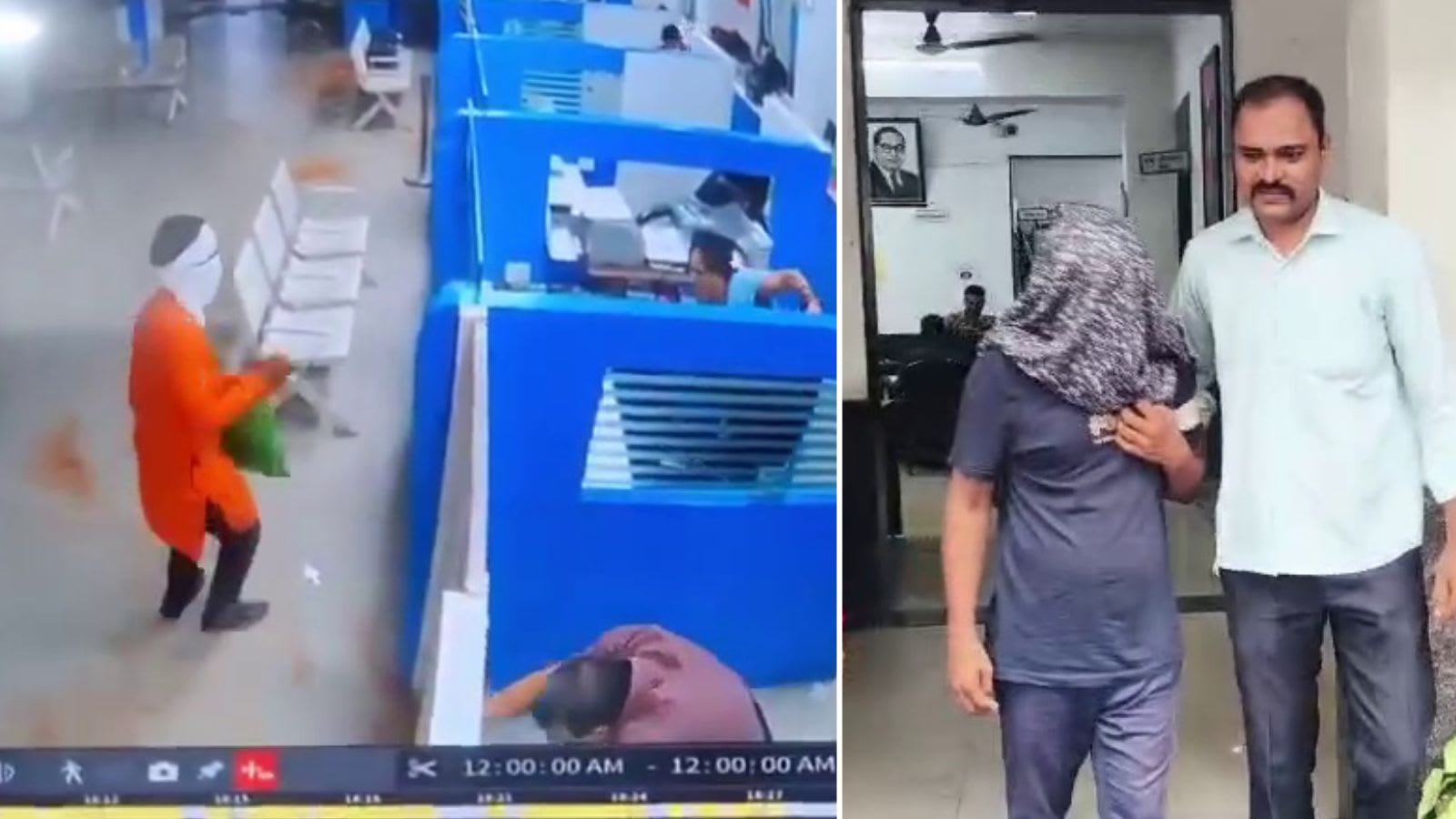
A 28-year-old graduate was arrested in Nagpur after robbing an SBI branch of Rs 4.53 lakh using chilli powder to incapacitate staff. Police apprehended the suspect shortly after the crime, recovering the entire stolen amount.
Brazen Bank Robbery in Nagpur: A Breakdown of the Incident
On Thursday evening, the State Bank of India’s (SBI) Bhande Plot branch in Nagpur became the site of a startling robbery. A 28-year-old graduate, identified as Suraj Bhojraj Borkar, executed a calculated heist by utilizing a crude but effective distraction: throwing chilli powder at bank employees. The incident occurred at approximately 6 pm, specifically targeting staff members who were in the process of transporting cash from the branch’s ATM.
The Mechanics of the Crime
According to official police reports, the accused did not act on impulse. Prior to the robbery, Borkar allegedly conducted a detailed reconnaissance of the bank premises. This level of premeditation highlights a growing trend where individuals attempt to exploit specific operational windows—such as the transfer of cash between an ATM and the main branch—to bypass standard security protocols. By using chilli powder, the assailant sought to create immediate physical incapacitation, allowing him to seize Rs 4.53 lakh in cash before fleeing the scene.
Swift Law Enforcement Response
Despite the audacity of the crime, the response from the Sakkardara police station was remarkably efficient. Law enforcement officials were able to track and apprehend the suspect shortly after he fled the Bhande Plot branch. Crucially, the police successfully recovered the entire sum of Rs 4.53 lakh, ensuring that the financial loss to the institution was neutralized almost immediately. The use of CCTV footage played a pivotal role in the identification and subsequent arrest of the accused.
Broader Security Implications
This incident raises significant questions regarding the security measures currently in place at smaller bank branches. The vulnerability of staff during the routine movement of cash between ATMs and bank vaults is a known logistical challenge. The fact that an individual could successfully execute such a move suggests that security protocols during "cash-in-transit" operations within bank premises may require re-evaluation to prevent similar opportunistic crimes in the future.
Conclusion and Future Trends
While the rapid arrest of Suraj Bhojraj Borkar serves as a testament to the efficacy of the local police, the event serves as a stark reminder of the risks faced by bank employees. As financial institutions continue to navigate the balance between accessible customer service and robust security, incidents like this underscore the necessity for enhanced surveillance and stricter protocols during cash handling. The case remains under investigation, but the swift recovery of the funds marks a successful resolution to a high-tension security breach.