Terrorism, trade, tariffs & wars: What's in India's hard-won Brics declaration
Source Entity
TRISHA MAHAJAN
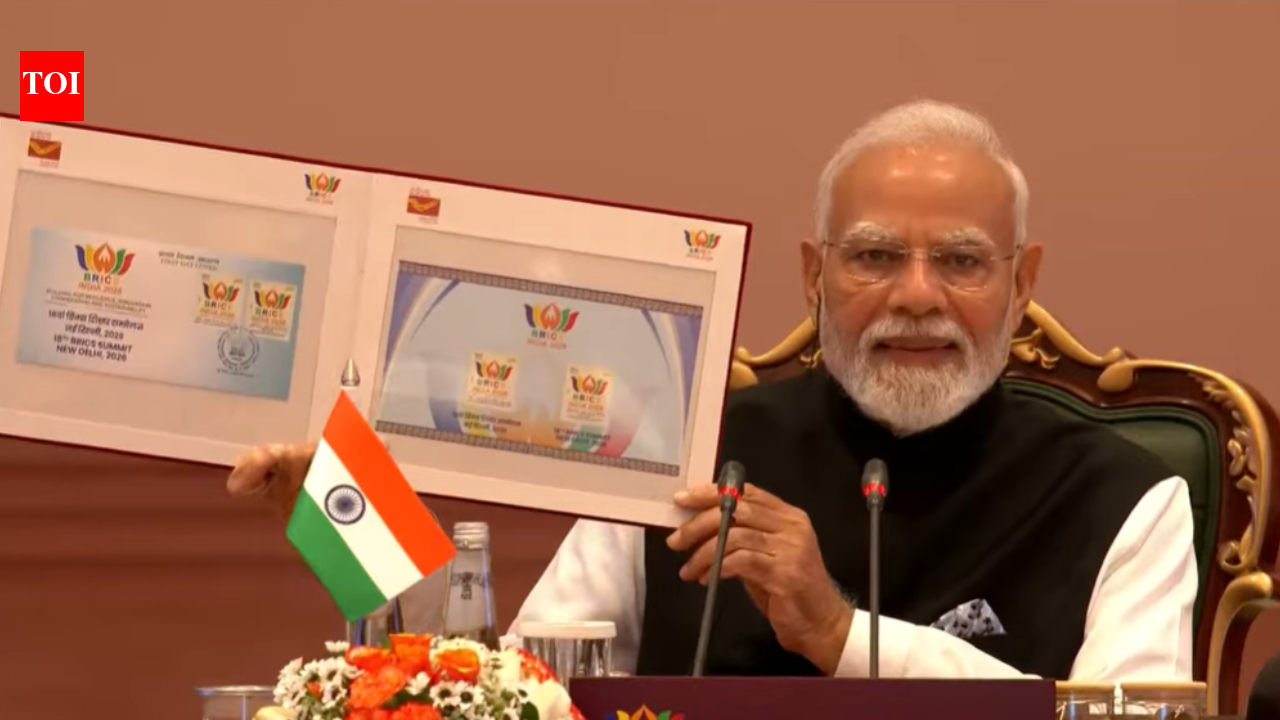
Iranian President Masoud Pezeshkian visited New Delhi for the 18th BRICS summit, highlighting escalating economic and military tensions with the US and Israel. Prime Minister Narendra Modi advocated for diplomatic solutions and protected maritime navigation amidst disruptions in the Strait of Hormuz.
Tensions Escalate: Iran’s Stance at the 18th BRICS Summit
Iranian President Masoud Pezeshkian’s arrival in New Delhi for the 18th BRICS summit marks a pivotal moment in international diplomacy. With the summit taking place on September 12 and 13, 2026, the visit serves as a critical platform for Tehran to address the intensifying economic and military pressures it faces. President Pezeshkian has characterized the current situation as a "far more dangerous phase" of aggression, directly implicating the United States and Israel in destabilizing the region.
The Intersection of Economics and National Security
During the Leaders' Session of the BRICS Business Forum, President Pezeshkian emphasized that economic security is inextricably linked to national and regional stability. Iran has long endured extensive sanctions, but the President noted that these have reached a new, volatile threshold in recent months. By framing these economic measures as "active aggression," Iran is signaling to the global community that it views the current sanctions regime not merely as policy, but as a direct challenge to its sovereignty and survival.
Modi’s Call for Diplomacy and Maritime Stability
Prime Minister Narendra Modi’s meeting with President Pezeshkian underscores India’s commitment to maintaining a balanced diplomatic posture. Amidst the spike in West Asian tensions—exacerbated by recent U.S. punitive economic measures—Mr. Modi urged for a resolution through "dialogue and diplomacy." This call for restraint is particularly significant given India’s strategic interest in regional stability and energy security, which have been threatened by the ongoing conflict.
The Chokehold on the Strait of Hormuz
A major point of concern raised by Prime Minister Modi involves the disruption of global energy supply chains. The Strait of Hormuz, a critical maritime artery, has faced significant risks since the U.S.-Israel coalition launched attacks on Iran on February 28, 2026. By emphasizing the need for "freedom of navigation," India is highlighting the potential for a catastrophic global economic impact should these vital shipping lanes remain compromised or under threat of closure.
Future Implications and Strategic Outlook
Looking ahead, the diplomatic discourse initiated at the BRICS summit suggests a deepening divide between the U.S.-led coalition and the Iranian leadership. President Pezeshkian’s defiant rhetoric—referring to the U.S. and Israel as "bullies" and asserting that Iran will not be intimidated—indicates that Tehran is unlikely to soften its stance without significant concessions. As Iran seeks to strengthen its energy and commercial ties with India and other BRICS nations, the effectiveness of Western sanctions will continue to be tested by these emerging economic partnerships.
Conclusion
The engagement between India and Iran at the 18th BRICS summit highlights the precarious state of West Asian geopolitics. While Prime Minister Modi strives to advocate for a peaceful, rules-based order that protects essential trade routes, the deep-seated grievances expressed by President Pezeshkian suggest that the path to regional stability remains fraught with challenges. The coming months will be decisive in determining whether diplomatic dialogue can mitigate the risks posed by the current military and economic standoffs.
Multiple Citing Sources