‘A historical rewind’ is reshaping Apple’s silicon strategy
Source Entity
Latest News: Todays Latest News Headlines from India & World | Hindustan Times | Hindustan Times
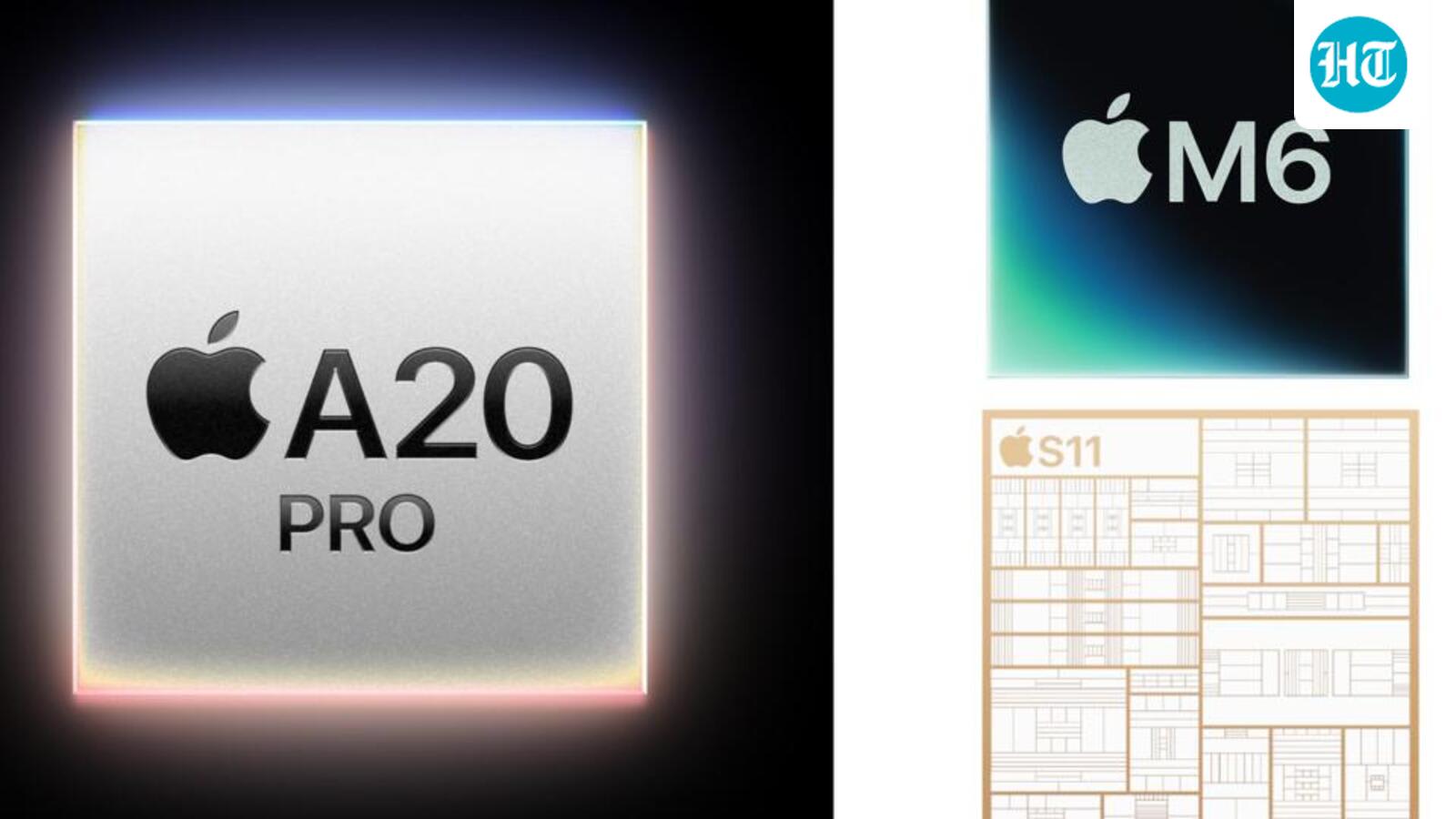
Apple is unifying its silicon strategy by scaling a singular, flexible architecture across its iPhone, Mac, and Apple Watch lineups. This approach leverages cross-pollination between mobile and desktop chips to drive performance, power efficiency, and on-device AI capabilities.
The Evolution of Apple Silicon: A Unified Architecture Strategy
Apple has reached a pivotal juncture in its hardware journey, demonstrating a remarkable ability to scale a singular, cohesive architecture across its diverse product ecosystem. By successfully integrating generational progress into the iPhone 18 Pro, the iPhone Duo, and the latest Mac lineups, the company is effectively rewriting the rules of semiconductor design. This strategy moves beyond simple hardware iteration; it represents a fundamental shift in how Apple views the relationship between mobile and desktop computing.
The Convergence and Divergence of Chip Design
Historically, analysts often predicted a total convergence of mobile and desktop silicon. However, recent developments suggest that Apple is employing a more nuanced 'historical rewind' approach. While the A20 Pro chip in the new iPhone 18 Pro takes direct inspiration from the high-performance M6 architecture, the trajectory is not a linear merger. Instead, it is an intelligent feedback loop where the efficiency of mobile chips informs desktop power, and the raw compute of desktop silicon elevates mobile AI capabilities.
Scaling the M-Series and A-Series Synergy
The recent rollout of the M6, M5 Max, and M5 Ultra chips alongside the A20 Pro showcases the benefits of this internal synergy. By building these chips on a shared foundation, Apple minimizes fragmentation, allowing its software ecosystem to extract maximum performance from every device. This architectural consistency ensures that features like on-device AI—a resource-intensive task—can be scaled across different form factors without sacrificing battery life or thermal efficiency.
Implications for On-Device AI
Artificial Intelligence is the primary driver behind this latest push in silicon innovation. The A20 Pro, bolstered by the architectural lessons learned from the M6, is specifically tuned to handle complex AI compute tasks locally. By prioritizing on-device processing, Apple is positioning itself to lead in privacy-centric AI, moving away from a total reliance on cloud-based servers, which inherently carry latency and security trade-offs.
Future Trends in Semiconductor Strategy
Looking ahead, Apple’s strategy suggests a future where the distinction between a 'phone' and a 'computer' becomes increasingly blurred at the silicon level. As the performance gap closes, the limiting factor will no longer be raw power but rather how effectively these chips can manage thermal envelopes and power consumption across varying chassis sizes. The ability to iterate on this architecture so rapidly across the iPhone, Mac, and Apple Watch indicates that Apple’s supply chain and design teams have achieved a level of vertical integration that is currently unmatched in the consumer electronics space.
Conclusion
Ultimately, Apple’s recent silicon announcements represent a masterclass in ecosystem management. By refusing to treat its mobile and desktop lines as isolated silos, the company has created a virtuous cycle of innovation. This 'historical rewind'—looking back at the foundational strengths of its architecture to propel future gains—ensures that Apple remains at the forefront of the high-performance computing race while maintaining its signature focus on efficiency and user experience.
Verification Required?