CoreWeave CEO: America's data center backlash won't stop the AI build-out
Source Entity
Yahoo Finance
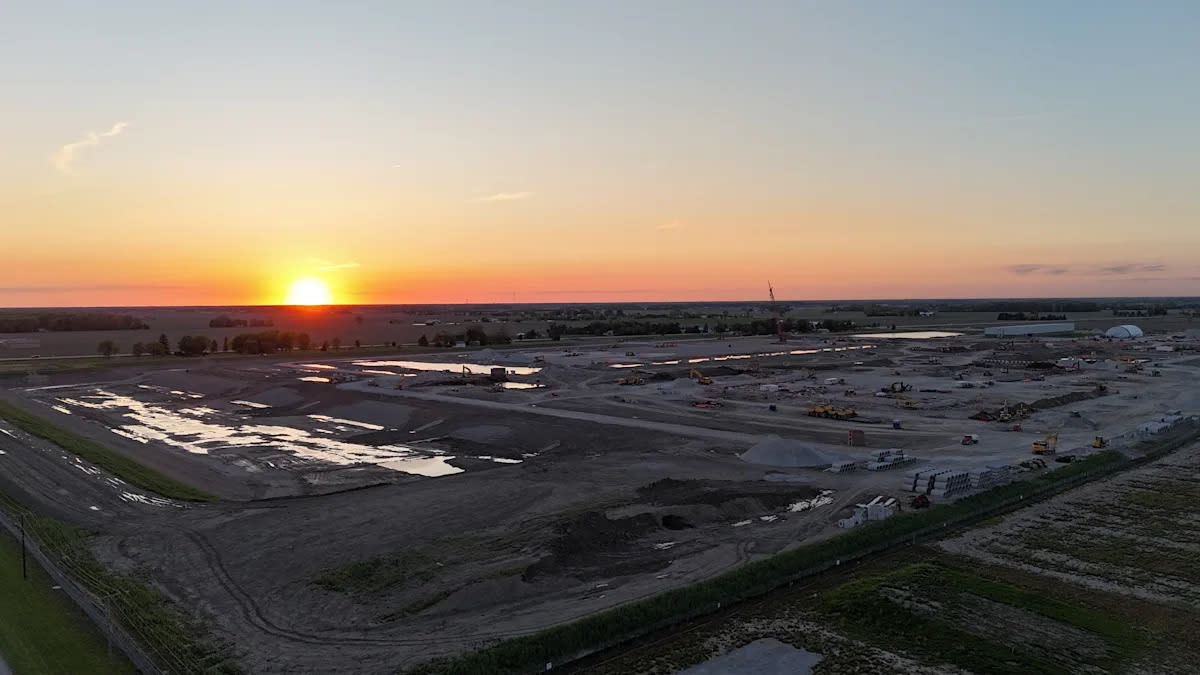
The rapid expansion of AI data centers is facing significant bottlenecks, including labor shortages, local community backlash, and infrastructure reliability challenges. Major players like CoreWeave and SpaceX are struggling to scale their operations to meet intense market demand for high-end computing power.
The Bottlenecks of the AI Infrastructure Boom
The artificial intelligence revolution is currently defined by an insatiable hunger for compute, manifesting in a frantic race to construct data centers across the United States. While tech giants are pouring billions into these facilities to support AI-generated video and complex large language models, the reality on the ground is proving far more difficult than the projected timelines suggest. The industry is hitting a wall where physical constraints—labor, power, and local governance—are beginning to dictate the pace of innovation.
The Labor and Grid Crisis
CoreWeave CEO Michael Intrator has highlighted that the primary obstacles to this rapid build-out are twofold: a severe shortage of skilled human labor and a growing political backlash. Constructing state-of-the-art facilities requires specialized personnel, including electricians and welders, who are currently in short supply. Furthermore, these facilities demand enormous amounts of electricity, putting immense pressure on local power grids and leading to concerns among residents regarding potential utility cost hikes and noise pollution.
Political and Social Friction
As these data centers move closer to residential areas, the debate has become increasingly politically charged. Local lawmakers are finding themselves caught in the crossfire as voters express frustration over the intrusive nature of these massive infrastructure projects. This 'backyard' resistance is no longer a localized issue but a systemic hurdle that companies must navigate as they attempt to scale their physical footprint ahead of upcoming election cycles.
The Supply-Demand Disconnect
At the center of this infrastructure push is the relationship between cloud providers and chip manufacturers. CoreWeave, which relies heavily on Nvidia as both a primary supplier and a strategic shareholder with an 11.5% stake, reports that it is struggling to meet daily demand for GPUs. Every piece of hardware acquired is immediately allocated, underscoring a market environment where supply-side limitations are the only true ceiling on growth.
Operational Risks and Reliability
Beyond supply chain issues, the race for speed is creating operational fragility. Recent reports indicate that companies like SpaceX have faced significant challenges in scaling their AI infrastructure, with some facilities operating without necessary backup power for months. These oversights reflect the inherent dangers of 'warp-speed' development, where the pressure to meet multi-million dollar compute contracts—such as SpaceX’s $920 million-a-month deal with Alphabet—can lead to corners being cut in facility safety and reliability.
Future Outlook
The path forward for the AI industry will likely be defined by a shift from rapid, unchecked expansion to a more measured focus on operational sustainability. Companies that fail to secure reliable power, manage community relations, and maintain rigorous infrastructure standards will likely face significant financial and regulatory penalties. The current era of 'total conviction' in AI hardware must now contend with the grounded realities of physical construction and public policy, likely slowing the pace of deployment to ensure long-term viability.