'Don't Agree With Trump, But US Is Biggest Investor': Malaysian PM To NDTV
Source Entity
NDTV News Search Records Found 1000
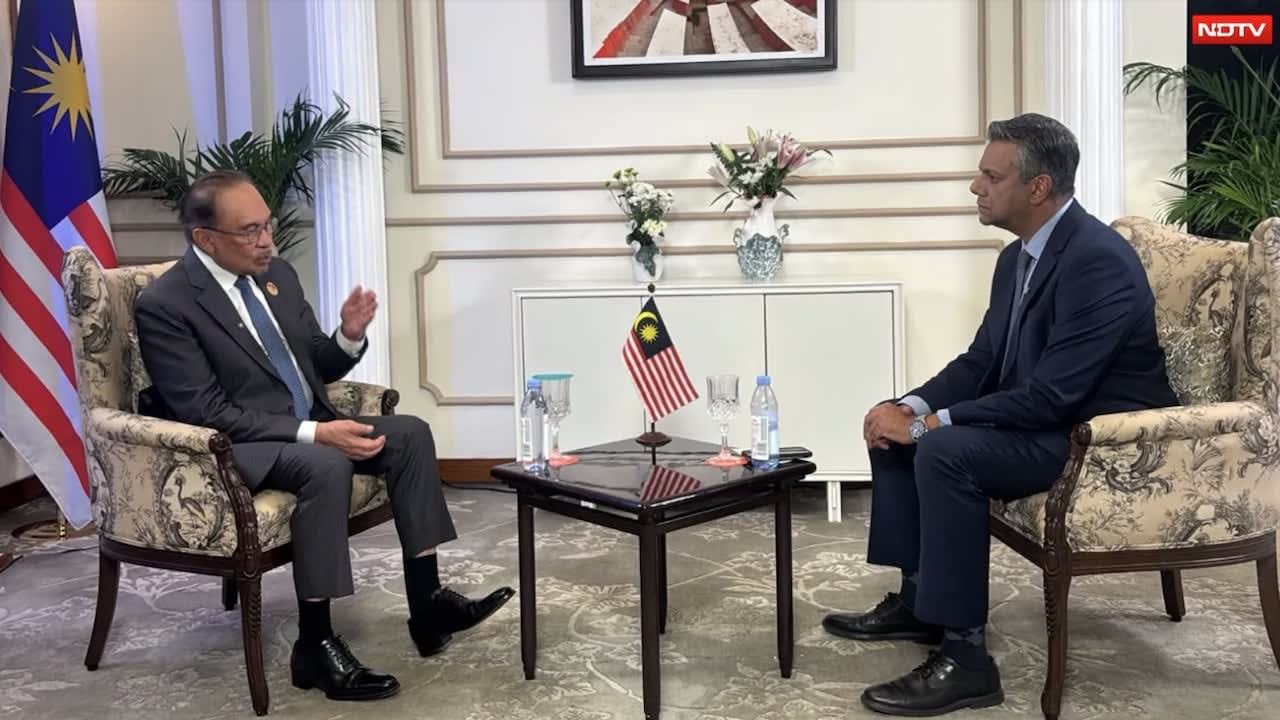
Malaysian Prime Minister Anwar Ibrahim addressed geopolitical complexities and diplomatic stances during recent international summits. He balanced Malaysia's economic ties with the US against ideological disagreements, while navigating sensitive discussions regarding religious figures and regional conflicts.
Navigating Diplomatic Complexity: Anwar Ibrahim's Strategic Stance
Malaysian Prime Minister Anwar Ibrahim has recently underscored the delicate balancing act required of modern statecraft. During his high-level engagements at the SAARC and BRICS summits, the Prime Minister demonstrated a pragmatic approach to international relations, emphasizing that national interest often necessitates engagement with diverse global actors, even when ideological alignment is absent.
Economic Pragmatism vs. Ideological Divergence
Central to Anwar’s recent discourse is the recognition of the United States as a primary economic partner. Despite openly acknowledging that he does not agree with all of Donald Trump's views, the Prime Minister highlighted the pragmatic reality that the U.S. remains Malaysia’s largest investor. This underscores a broader trend in Southeast Asian diplomacy, where leaders prioritize stable trade environments and foreign direct investment as drivers of domestic prosperity, decoupling economic cooperation from political rhetoric.
Addressing Controversial Figures and Geopolitical Tensions
Anwar Ibrahim’s diplomatic maneuvers extend into the sensitive realm of religious and geopolitical discourse. His comments regarding a meeting with a Kerala-based Islamic cleric, where he clarified that he does not necessarily endorse all of the cleric's views, signal a cautious approach to internal and international religious sensitivities. By maintaining a distance from radical viewpoints while engaging in dialogue, he attempts to preserve Malaysia's moderate image on the global stage.
The Challenge of Global Conflict
Furthermore, the Prime Minister’s engagement with media regarding the U.S.-Iran situation highlights the pressure on middle-power nations to take definitive stances on global flashpoints. His reluctance to be drawn into inflammatory rhetoric or simplistic narratives reflects a strategic desire to maintain Malaysia's role as a neutral, constructive voice in international forums. This reflects a historical trend where Malaysia seeks to avoid being caught in the crossfire of great-power competition.
Future Implications for Malaysian Diplomacy
Looking ahead, Anwar’s approach suggests a future where Malaysia will likely continue to pursue a 'multi-alignment' strategy. By leveraging the economic benefits of Western investment while maintaining a presence in blocs like BRICS, Malaysia aims to maximize its strategic autonomy. The Prime Minister's recent interviews confirm that his administration is committed to a policy of open dialogue, even when it involves navigating friction points regarding sensitive religious figures or polarized geopolitical conflicts.
Conclusion
In summary, Prime Minister Anwar Ibrahim is navigating a complex global landscape with a blend of economic realism and diplomatic caution. By prioritizing investment and avoiding rigid ideological boxes, he is positioning Malaysia to remain a stable and influential player in the shifting sands of global politics.
Verification Required?