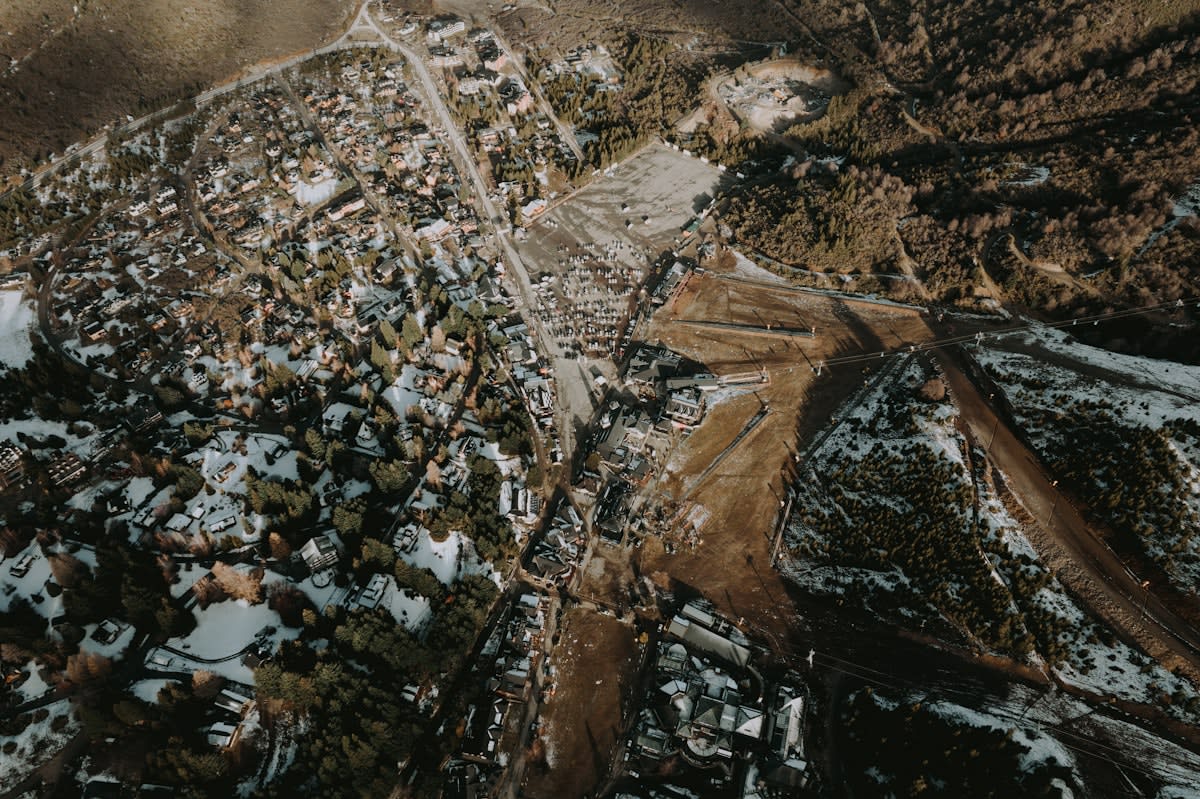
For a century, the city was the sole engine of power. If you wanted to influence markets, shape policy, or command cultural narratives, you lived in the heart of London, New York, Tokyo, or Shanghai. The urban core provided the proximity required for high-velocity networking and the infrastructure of luxury. But the calculus has changed. We are witnessing a systemic decoupling where the world's most influential individuals are no longer viewing the city as a hub, but as a liability. This is not a simple case of wealthy people buying vacation homes; it is a strategic reallocation of existence. They are moving toward what I call Managed Wilderness—vast, ecologically curated estates that blend primitive nature with hyper-modern autonomy.
What separates Managed Wilderness from traditional rural living? The difference lies in the intent. The rural resident adapts to the land; the Rurban strategist optimizes it. These estates are not mere retreats but sophisticated nodes of production and protection. We see the installation of closed-loop water systems, vertical hydroponics integrated into mountain slopes, and private security grids that rival small municipalities. The goal is ecological sovereignty. By controlling the primary resources—water, soil, and energy—the global elite are hedging against the volatility of centralized urban systems that are increasingly prone to failure.
The Geography of Autonomy
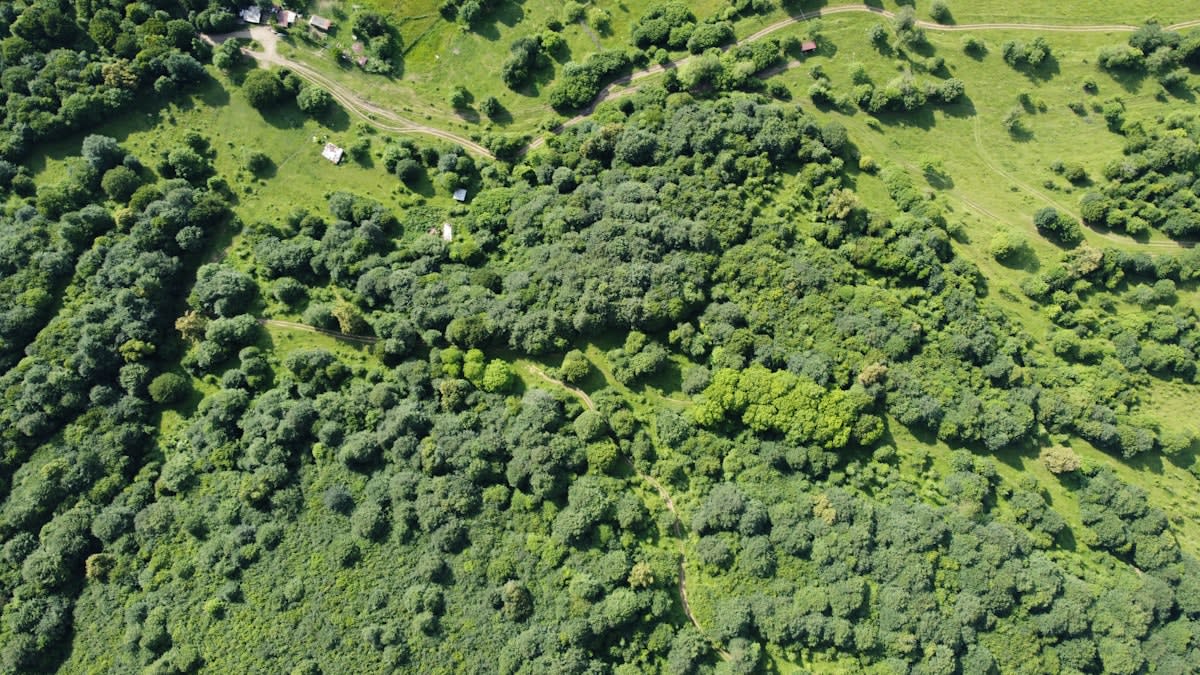
This pivot is playing out across diverse latitudes, each reflecting a different strategic priority. In New Zealand and the southern reaches of Australia, the focus is on territorial insulation. Here, the elite are acquiring massive tracts of land to create self-sustaining biological preserves. These are not just farms; they are genetic vaults and resource reserves. The strategy is simple: create a geography that is physically and politically distant from the friction of the Northern Hemisphere's geopolitical instability. When you own the valley and the watershed, you own the terms of your survival.
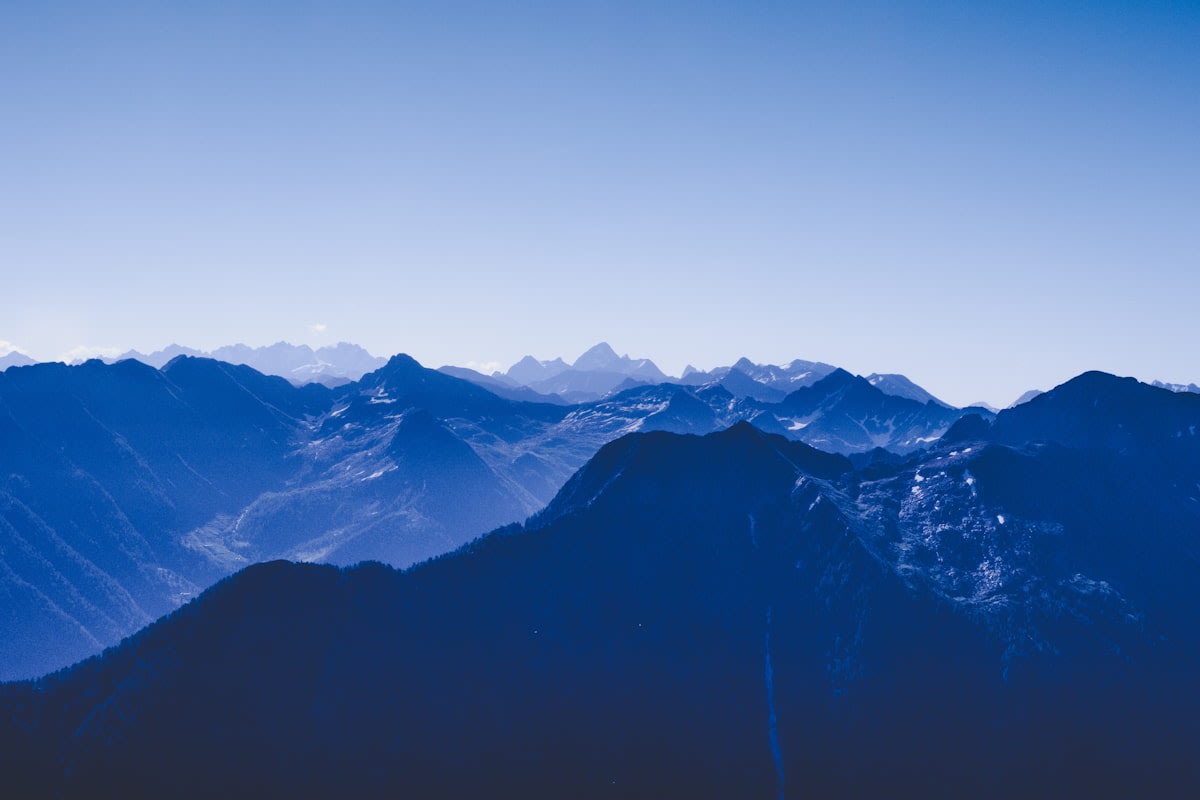
In the European Alps and the Pyrenees, the trend shifts toward the 'Fortress Sanctuary.' The focus here is on verticality and climate resilience. We see the development of subterranean luxury complexes that utilize geothermal energy to maintain perfect internal environments regardless of the external weather. These estates function as high-altitude hubs where the elite can maintain a presence in the European theater while remaining physically removed from the congestion and social volatility of cities like Paris or Milan. It is a transition from the penthouse to the peak.
Meanwhile, in Southeast Asia and Central America, the Rurban pivot manifests as 'Eco-Sovereignty.' In regions like Costa Rica or the outskirts of Thailand, the elite are investing in regenerative agro-forestry estates. They are not just buying land; they are funding the restoration of entire ecosystems to create a symbiotic relationship between luxury and biodiversity. These projects often include private research facilities and wellness centers, turning the estate into a center for longevity science and biological optimization. The land is no longer a backdrop; it is the primary technology for health and longevity.
The New Status Symbol
The Rurban pivot represents a fundamental shift in the definition of 'luxury.' Status is no longer signaled by a zip code in a crowded city, but by the number of hectares of pristine, autonomous land one controls.
This shift is facilitated by a critical technological leap: the erasure of the connectivity penalty. A decade ago, moving to the wilderness meant sacrificing the speed of information. Today, satellite constellations like Starlink and the proliferation of high-bandwidth mesh networks have rendered physical location irrelevant for the knowledge worker and the capital allocator. You can manage a hedge fund from a ridge in the Andes or direct a global corporation from a forest in Hokkaido. The city's primary utility—the concentration of information—has been digitized and decentralized.
"We are seeing the birth of the 'Sovereign Estate.' The goal is no longer to live in a society, but to build a private, optimized micro-society that can withstand the oscillations of the macro-world."— Strategic Analyst on the Rurban Shift
The financial implications of this move are profound. For decades, prime urban real estate was the gold standard of stability. However, the concentration of assets in cities creates a systemic risk profile. Urban areas are vulnerable to infrastructure collapse, social unrest, and environmental shocks. By pivoting to managed wilderness, the elite are diversifying their portfolios into 'tangible resilience.' Land that produces its own food, captures its own water, and generates its own power is the ultimate hedge against systemic failure.
| Metric | Urban Power Center | Managed Wilderness |
|---|---|---|
| Asset Liquidity | High (Market Dependent) | Moderate (Strategic Hold) |
| Resource Autonomy | Zero (External Reliance) | High (Closed-Loop Systems) |
| Health Overhead | High (Pollution, Stress) | Low (Biophilic Design) |
| Social Capital | Network-Based (High Velocity) | Curation-Based (High Trust) |
| Risk Profile | Systemic/Centralized | Localized/Managed |
This transition also signals a change in how social capital is cultivated. In the city, networking is a game of volume and proximity—cocktail parties, boardrooms, and exclusive clubs. In the Rurban model, networking becomes a game of curation. The 'invitation' is no longer to a dinner party in Manhattan, but to a weekend retreat on a private estate in the Patagonia wilderness. This creates a more exclusive, high-trust circle of influence, where the barrier to entry is not just wealth, but the ability to navigate and appreciate the complexities of managed nature.
The Systemic Fallout
When the architects of the global economy abandon the city, the city changes. We are seeing a gradual erosion of the 'center' that once held urban societies together. As the elite decouple their lives from urban infrastructure, the incentive to maintain and upgrade that infrastructure diminishes. This creates a widening gap between the 'Managed Wilderness' of the few and the 'Managed Decay' of the many. The Rurban pivot is not just a lifestyle choice; it is a spatial manifestation of the growing divide in global resilience.
Yet, there is an opportunity here for a broader societal adaptation. The technologies being pioneered in these elite estates—modular energy, atmospheric water generation, and regenerative agriculture—eventually trickle down to the mass market. The Rurban pivot acts as a high-cost R&D lab for the future of human habitation. If we can decouple survival from centralized, fragile grids for the few, we can eventually scale those systems for the many. The challenge lies in whether this knowledge will be shared or hoarded behind the gates of the new wilderness.
Ultimately, the Rurban pivot reflects a deeper psychological shift. We are moving away from the era of 'conquering' nature and toward an era of 'integrating' with it—provided you have the capital to do so on your own terms. The global elite have realized that the ultimate luxury is not a gold-plated faucet in a penthouse, but the silence of a thousand acres and the certainty that the water flowing into your home is yours, and yours alone. The center has not held, and the new center is wherever the land is most resilient.
- Transition from urban prestige to ecological sovereignty.
- Implementation of closed-loop infrastructure in remote geographies.
- Decoupling of economic power from physical urban proximity via satellite connectivity.
- Shift in asset allocation from urban real estate to regenerative land holdings.
- Creation of high-trust, curated social circles away from urban noise.