Celebrating the 100th birthday of the kidney donated to him as a teenager
Source Entity
Hacker News
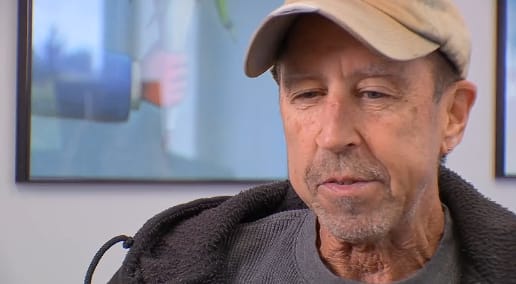
Ray Vetuskey is celebrating a remarkable medical milestone as his mother's donated kidney turns 100 years old. This rare longevity highlights the success of the 1978 transplant procedure performed at Strong Hospital in Rochester.
A Century of Life: The Extraordinary Milestone of a Donated Kidney
In a remarkable convergence of medical history and personal endurance, a Webster, New York man named Ray Vetuskey is marking a unique milestone: the 100th anniversary of the kidney he received from his mother. While the transplant itself occurred in 1978, the organ's biological age—counting from the birth of his mother, Betty Vetuskey—has officially reached a century. This narrative is not merely a heartwarming family story; it serves as a testament to the life-changing potential of organ donation and the unforeseen longevity that medical interventions can provide.
The 1978 Transplant: A Medical Turning Point
When Vetuskey was just 16 years old, his life was abruptly interrupted by renal failure. After initial tests revealed that his kidneys were no longer functioning, he was placed on dialysis, which proved insufficient for his recovery. The decision to pursue a transplant at Strong Hospital in Rochester was a critical juncture in his life. At the age of 52, his mother, Betty, stepped forward to donate her kidney, a decision that would define the next four decades of her son's health and vitality.
The Biological Significance of Organ Longevity
Generally, the lifespan of a transplanted kidney is limited, often lasting between 10 to 20 years depending on factors like tissue matching, immunosuppressive therapy, and the recipient's overall health. For a kidney to remain functional for over 45 years—the duration since the 1978 surgery—is statistically rare and medically significant. This case provides a unique look into the resilience of donor organs and the efficacy of the post-operative care Vetuskey has maintained since his teenage years.
The Human Element: Beyond the Science
Beyond the clinical data, the story of Ray and Betty Vetuskey reflects the deep human connections that often drive organ donation. Ray describes his mother not just as a donor, but as a beloved figure in their Seabreeze neighborhood. This emotional bond, coupled with the physical gift of life, underscores the profound impact that living donors have on the families they save. It serves as a powerful reminder that behind every successful transplant statistic is a story of sacrifice and enduring love.
Implications for Future Medical Trends
As medical technology continues to evolve, the success of long-term transplants like Vetuskey’s provides invaluable data for transplant medicine. By analyzing the factors that have allowed this specific organ to thrive for a century of biological time, researchers can better understand how to extend the viability of future grafts. While this case is an outlier in terms of duration, it sets a gold standard for patient compliance and the long-term management of chronic conditions through surgical intervention.
Conclusion: A Legacy of Resilience
Ultimately, the celebration of this 100-year-old kidney is a celebration of life itself. Ray Vetuskey’s journey from a teenager facing renal failure to a man celebrating a century of his mother’s gift highlights the intersection of modern medical progress and the indomitable human spirit. It remains an inspiring case study in the power of organ donation to provide decades of quality life, leaving a lasting legacy for both the donor and the recipient.