
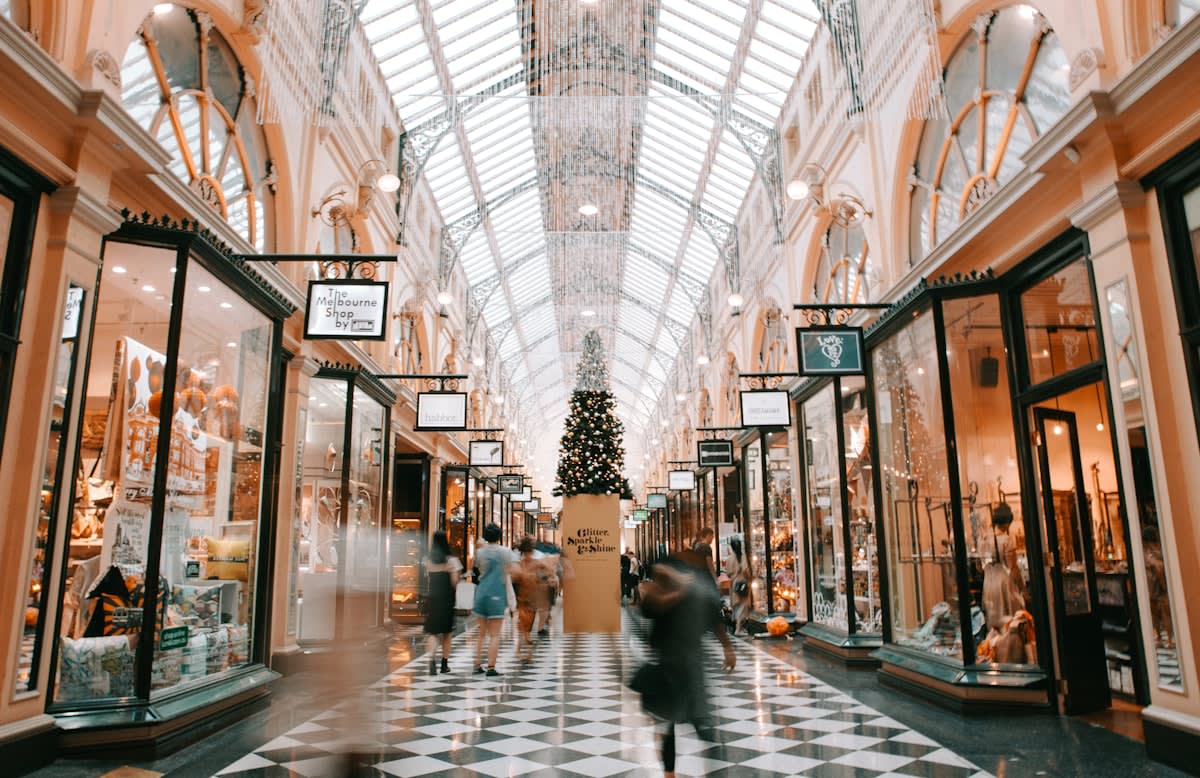
We have spent decades confusing consumption with connection. For a generation, the 'Third Place'—that essential social environment separate from the two primary environments of home and work—was synonymous with the shopping mall or the local pub. But the architecture of our social lives is fracturing. A report by the U.S. Surgeon General confirms a stark societal decline in social connection, suggesting that a significant portion of the population now lacks adequate social bonds. This isn't a random dip in mood; it is a systemic failure of our physical environments.
Why did we let the Third Place become a transaction? In the United States, suburban design has effectively engineered isolation, particularly for teenagers. When walkability vanishes, the car becomes a barrier rather than a tool, slicing through the local world and rendering public parks unreachable for those without a license. The commodified Third Place, like the mall, is in a state of visible decline, leaving a void that digital spaces cannot fill. We are witnessing the collapse of a model that prioritized convenience and commodity over the simple, radical act of lingering.
The Sobriety Shift and the Death of the Default Glue
For decades, the bar served as the primary social glue for adults. It was the default setting for unplanned gatherings and professional networking. However, a growing dry spell is sweeping through global populations. People are drinking less to protect their sleep, sharpen their cognitive function, and prioritize overall health. While this is a victory for wellness, it creates a social vacuum. When the bar is no longer the destination, where do people go to exist without a rigid plan?
"Americans are drinking less to protect their health, improve their sleep and feel sharper. But we still need third places outside home and work where people can gather without much of a plan."— Axios
This shift is spawning a new industry of 'sophisticated' non-alcoholic alternatives. We are seeing a surge in functional drinks, from botanical-infused lifestyle beverages to complex non-alcoholic tonics. These aren't just soda replacements; they are tools for a new kind of social interaction. Consumers with mature palates are demanding unique sensory experiences that allow them to participate in 'out of home' social drinking without the impairment. The beverage is evolving because the social context is changing.
The Functional Shift
The rise of non-alcoholic beverages is not just a dietary trend; it is a signal that the traditional 'night out' is being decoupled from alcohol, forcing the creation of new, healthier social anchors.
This evolution suggests that we are moving away from 'escapist' social spaces toward 'enhancement' spaces. The goal is no longer to forget the workday through intoxication, but to navigate the complexities of modern life with clarity. This requires a physical environment that supports presence rather than oblivion.
Civic Reclamation: The High Street as a Health Hub
While commercial spaces struggle, the public sector is beginning to repurpose the ruins of the old economy. In England, the government is implementing a strategic pivot by integrating mental health services into the existing fabric of the high street. By converting banks and libraries into walk-in mental health centers, the state is effectively reclaiming non-commercial space for the most urgent of human needs.
The scale of this ambition is significant. The goal is to create a network of nearly 200 community mental health centers and mental health A&Es by 2029. This is a direct response to the fact that one in five people struggle with their mental health, often ending up in overcrowded A&E departments because they have nowhere else to turn. By placing these hubs in libraries and banks, the government is utilizing established civic anchors to provide immediate care close to home.
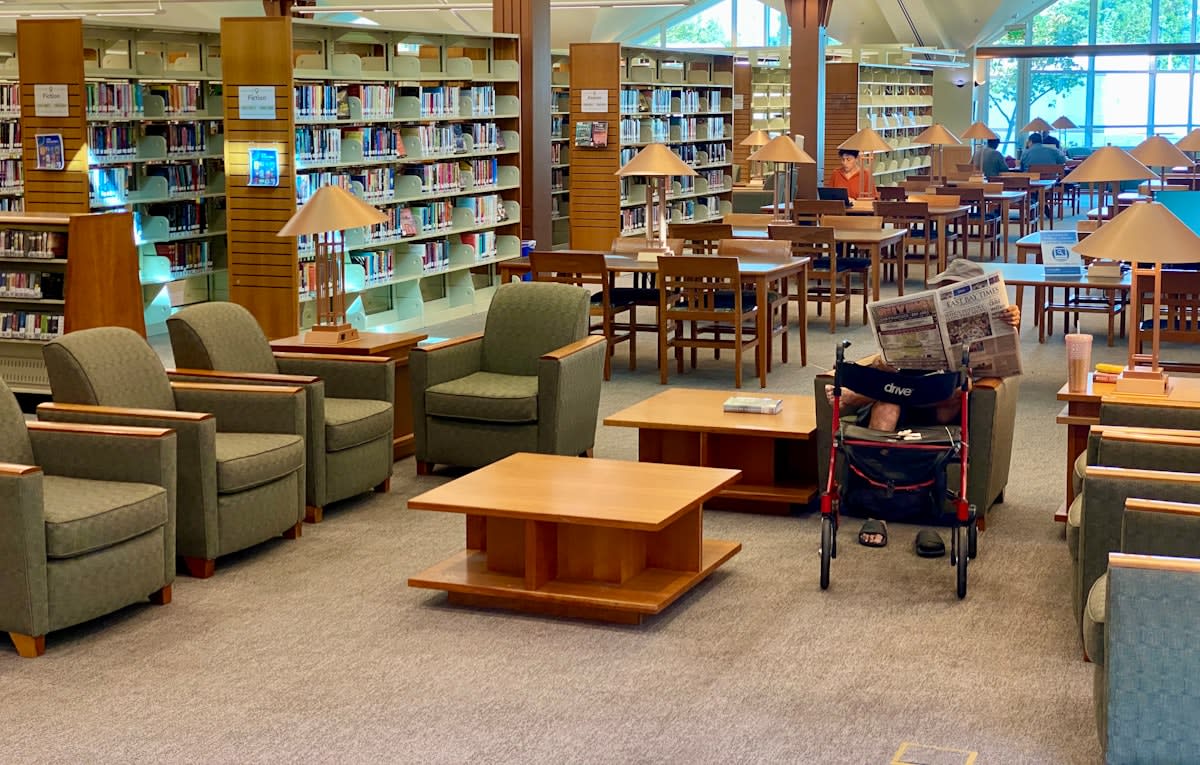
This is a profound systemic shift. We are seeing the transformation of the 'Third Place' from a site of consumption (the bank/the store) to a site of care (the health hub). It recognizes that the high street must offer more than retail to remain viable; it must offer survival and support.
The AI Erosion of the Second Place
The urgency of reclaiming the Third Place is amplified by the instability of the 'Second Place'—the workplace. The corporate world is currently undergoing a violent restructuring driven by agentic AI. Take the recent layoffs at Visa, where 2,600 jobs, or roughly 7 percent of the global workforce, were eliminated to reallocate resources toward AI. This impact is felt globally, with significant cuts in Indian tech hubs like Bengaluru, Mumbai, Chennai, and Hyderabad.
When the office is no longer a guaranteed site of social interaction or economic stability, the pressure on non-commercial spaces increases. For thousands of employees in India's corporate hubs, the loss of a job is not just a loss of income; it is the loss of a primary social circle. If the Second Place is hollowed out by AI, and the Third Place is a paid-entry mall or a bar, where does the displaced worker find community?
This creates a dangerous paradox: at the exact moment AI is reducing our reliance on human-centric workplaces, our need for human-centric social spaces is peaking. We cannot solve a crisis of isolation with more software. We need physical, non-transactional territory.
| Dimension | Traditional Third Place | Emerging Third Place |
|---|---|---|
| Primary Driver | Consumption/Commodity | Wellness/Civic Support |
| Access Requirement | Financial Transaction (Purchase) | Civic Right/Health Need |
| Social Glue | Alcohol/Shopping | Functional Beverages/Mental Health |
| Physical Form | Malls, Pubs, Corporate Offices | Libraries, Health Hubs, Walkable Parks |
| Systemic Goal | Economic Efficiency | Social Resilience |
The transition we are seeing is an adaptation. We are moving away from a world where sociality was a byproduct of spending money toward a world where sociality is recognized as a fundamental requirement for public health. The decline of the mall and the bar is not the end of the Third Place; it is the beginning of its liberation from the marketplace.
Will we succeed in this reclamation? The blueprint is already being drawn. From the UK's investment in 200 health hubs to the global demand for sober social spaces, the trend is clear. We are no longer content with 'convenience' if it comes at the cost of connection. The future of the city is not in the retail center, but in the community hub.
UK Community Mental Health Hub Targets
Executive Insight
+18.4%
YTD Growth
Ultimately, the Third Place Paradox reveals a deeper truth: we have overestimated the value of the commodity and underestimated the value of the commons. By stripping away the requirement to buy a drink or a shirt to belong, we are finally building spaces where people can actually be seen.