
The Death of the Veblen Good
Owning a limited-edition supercar or a penthouse in Monaco used to be the definitive signal of arrival. These are what economists call Veblen goods—items where demand increases as the price rises because they signal status. But the signal is flickering. In an era of mass-affluence and accessible credit, the barrier to entry for material luxury has dropped. When anyone with a high-interest loan can lease a luxury vehicle, the object ceases to be a marker of true distinction. The global elite have realized that material accumulation is a treadmill with no finish line. Why compete in a race where the finish line keeps moving?
The shift is systemic. We are witnessing a transition from conspicuous consumption to conspicuous leisure, but not the leisure of the idle rich. This is something more aggressive: Time Wealth. Time Wealth is the ability to decouple one's income from one's hours and, more importantly, the psychological freedom to ignore the urgency of the modern world. It is the luxury of a Tuesday afternoon with no meetings, no notifications, and no obligations. While the middle class optimizes for efficiency to save time, the elite are optimizing for sovereignty to waste it purposefully.
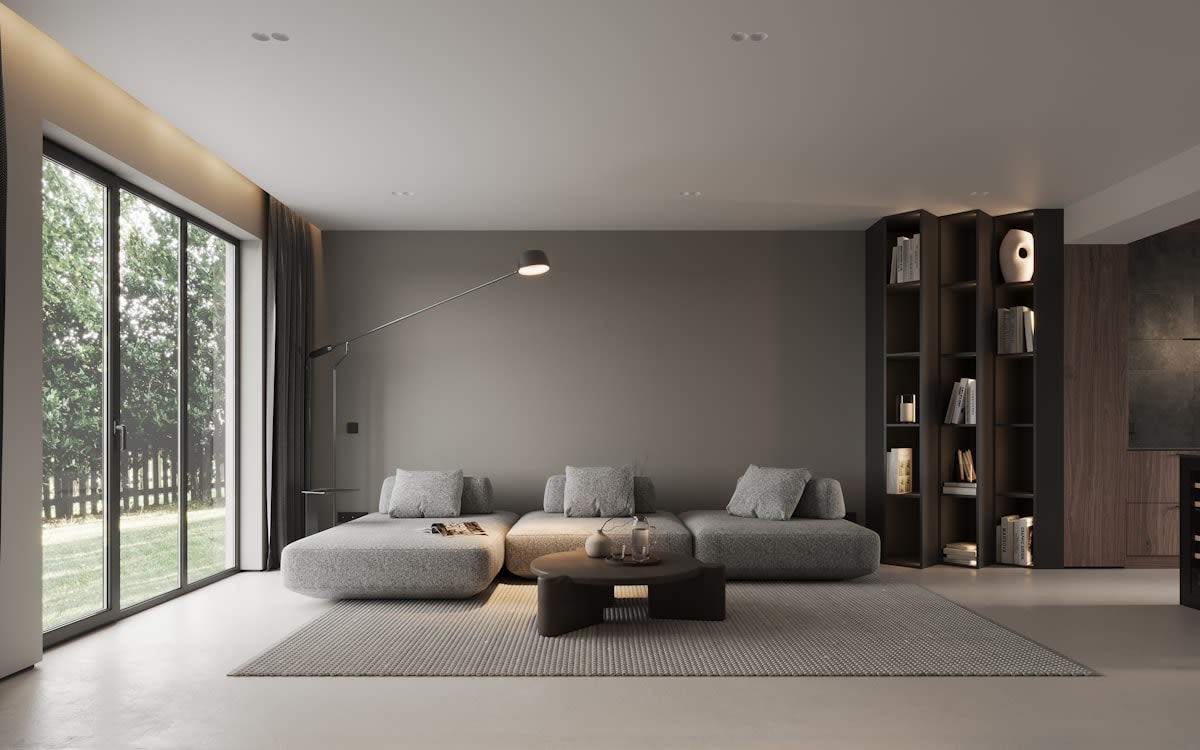
Does a Patek Philippe watch actually tell time, or does it merely signal that the wearer is a slave to a schedule they cannot escape? For the new vanguard of the global elite, the ultimate flex is no longer the watch, but the absence of the need to check it. This is a contrarian pivot. For years, the 'hustle' was the badge of honor in hubs from New York to Singapore. Now, the most powerful people in the room are the ones who seem the least rushed. They have traded the anxiety of the 'grind' for the serenity of autonomy.
"The acceleration of social time has created a new scarcity. When everyone is connected 24/7, the only true luxury is the ability to be unreachable."— Hartmut Rosa, Sociologist and Professor at Friedrich-Schiller University
The Geography of Time Poverty
This shift manifests differently across the globe, reflecting local pressures and systemic frictions. In East Asian hubs like Seoul and Tokyo, where the 'salaryman' culture has historically equated long hours with loyalty and status, the pivot toward time wealth is an act of rebellion. We see a growing trend of ultra-high-net-worth individuals (UHNWIs) retreating into 'slow living' enclaves, prioritizing longevity and mental clarity over corporate ascent. According to the OECD Time Use Database (2023), the gap in leisure time between the highest and lowest income deciles is narrowing in some regions, but the quality of that leisure—its autonomy—is widening.
In Europe, the 'right to disconnect' is not just a labor law; it is becoming a cultural aspiration for the elite. In Switzerland and France, the focus has shifted toward 'deep time'—extended periods of disconnection for intellectual or physical pursuits. Meanwhile, in the United States, the Silicon Valley elite are attempting to 'hack' time itself. Through aggressive bio-hacking and longevity research, they aren't just seeking more hours in a day, but more years in a life. They treat time as a biological asset to be optimized, yet the goal remains the same: the total control of their temporal existence.
| Metric | Material Wealth (Old Status) | Time Wealth (New Status) |
|---|---|---|
| Primary Asset | Limited Edition Goods | Unscheduled Days |
| Social Signal | Visible Brand Logos | Absence of Urgency |
| Key Value | Exclusivity of Access | Exclusivity of Attention |
| Success Marker | Net Worth / Portfolio Size | Temporal Sovereignty |
| Daily Focus | Acquisition | Presence |
This global divergence highlights a critical truth: the more a society accelerates, the more valuable stillness becomes. The elite are not simply 'relaxing'; they are strategically withdrawing from the noise to maintain a competitive advantage in clarity and decision-making. When everyone is reacting in real-time to a notification, the person who can afford to think for a week without interruption is the one who actually controls the outcome.
From a practitioner's perspective, this shift is causing a crisis in the luxury goods industry. I have sat in rooms with wealth managers and luxury brand strategists who are genuinely baffled. They are seeing a decline in the 'trophy purchase' among the top 0.1%. The internal debate is no longer about how to make a product more exclusive, but how to make a service facilitate more time. We are seeing a surge in 'lifestyle management' that focuses on removing friction from life—not to get more work done, but to create more space for nothingness. The friction isn't in the cost; it's in the cognitive load.

The Systemic Shift toward Time Sovereignty
Why now? The trigger is a combination of burnout saturation and the democratization of luxury. The World Happiness Report (2024) indicates a growing correlation between perceived time autonomy and overall life satisfaction, regardless of income level once basic needs are met. For the elite, the realization has set in that wealth without time is merely a gilded cage. The psychological cost of maintaining a high-status material lifestyle—the insurance, the maintenance, the social performance—has become a liability.
- Temporal Decoupling: Breaking the link between time spent and value created.
- Attention Sovereignty: The ability to choose exactly where focus is directed without external pressure.
- Low-Friction Existence: Using wealth to eliminate all mundane administrative burdens of life.
- Intentional Idleness: The social prestige associated with having 'nothing to do' on a weekday.
Artificial Intelligence is accelerating this trend. While the masses fear AI will take their jobs, the elite view AI as the ultimate tool for time reclamation. By automating the cognitive labor of management and analysis, the window for Time Wealth opens wider. The goal is to reach a state of 'radical autonomy,' where the individual owns 100% of their waking hours. This isn't about retirement; it's about the ability to engage in work only when it is intellectually stimulating, rather than when it is financially necessary.
However, this transition is not without its paradoxes. As Time Wealth becomes the new status symbol, a new industry of 'time-optimization' has emerged. We see the rise of high-priced longevity clinics and 'digital detox' retreats that cost more than a luxury cruise. The irony is palpable: the elite are spending vast sums of money to buy back the simplicity that the working class once had by default. They are paying for the privilege of silence.
Fact-Check & Accuracy Note
Key claims regarding the shift from Veblen goods to time autonomy are based on sociological frameworks of 'Social Acceleration' and data trends from the OECD Time Use Database (2023) and the World Happiness Report (2024). The specific shift in UHNWI spending patterns is an observed trend in luxury market analysis, though precise percentages remain a subject of internal industry debate due to the private nature of elite spending.