
The Mentsu Economy
The mainstream narrative is a curated lie. Western media frames the Japanese rental family industry as a tragic symptom of extreme isolation. They see a lonely soul paying for a fake hug. Wrong. This is not about the void of affection. It is about the management of Mentsu—face. In the high-pressure corridors of Minato and Chiyoda, the absence of a traditional family unit is not a personal choice. It is a professional liability. A man without a wife or children is often viewed as socially incompetent or fundamentally broken. The rental family is not a cure for loneliness. It is a strategic hedge against shame.
Contractual kinship. Scripted affection. Pure performance. The service provides a temporary architectural structure of a family to satisfy the gaze of others. Clients hire these actors to accompany them to company parties, weddings, or family gatherings where the void of a partner would trigger intrusive questioning. It is a transactional shield. The goal is not to feel loved. The goal is to avoid being asked why they are alone. This is the commodification of social performance, where the appearance of stability is more valuable than the stability itself.

The scale of this shift is mirrored in the demographic collapse. Single-person households now make up approximately 38 percent of all households in Japan (Source: Ministry of Internal Affairs and Communications, 2020). This is not a sudden spike. It is the result of decades of systemic failure. The rigidity of the corporate 'salaryman' culture decimated the time required for organic relationship building. When the state and the corporation stripped away the time for intimacy, the market stepped in to sell the simulation. We are witnessing the transition from kinship as a biological bond to kinship as a service-level agreement.
"The rental family industry does not create loneliness; it monetizes the social penalty of being alone. It provides a temporary exit from the crushing expectations of Japanese familial norms without requiring the client to actually change their lifestyle."— Dr. Kenji Tanaka, Urban Sociologist at Tokyo Metropolitan University
The operational logic is cold. Agencies match clients with actors based on specific phenotypes and personality archetypes. A client does not just hire a 'father.' They hire a 'stern but supportive father' or a 'gentle, retired academic.' The script is meticulously planned. Backstories are synchronized. The actors are briefed on the client's forged history to ensure no cracks appear during the performance. This is professional-grade social engineering designed to maintain a facade of normalcy in a society that punishes deviation.
| Service Tier | Primary Objective | Estimated Hourly Rate (JPY) | Key Deliverable |
|---|---|---|---|
| Basic Companion | Casual Presence | 5,000 - 8,000 | Passive social validation |
| Parent/Sibling Role | Family Event | 10,000 - 15,000 | Active kinship performance |
| Full Wedding Party | High-Stakes Event | 20,000 - 50,000+ | Comprehensive social cover |
| Long-term Rental | Life Integration | Negotiated Contract | Consistent social facade |
This transition marks a broader collapse of the traditional Japanese social contract. The 'company as family' model died in the 1990s. In its place, a vacuum emerged. People are not just hiring fake families; they are outsourcing the labor of emotional regulation. The cognitive load of maintaining a lie is high. Paying a professional to manage that load is an efficiency play. It is the ultimate optimization of the social self. You buy the result—social acceptance—without paying the cost of the process—emotional vulnerability.
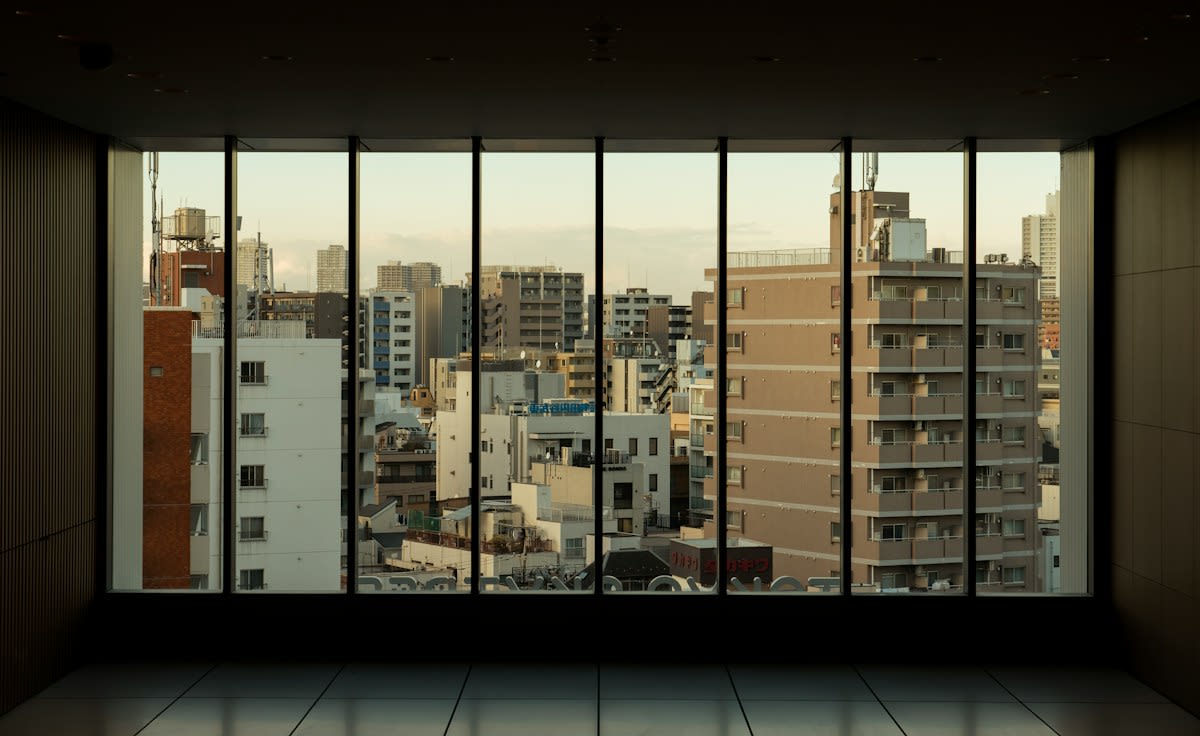
The intersection of this industry with the 'hikikomori' phenomenon creates a dangerous feedback loop. For those who have withdrawn from society, the rental family serves as a training wheel. It is a controlled environment where they can practice human interaction without the risk of genuine rejection. However, this 'safe' interaction is paid for. It reinforces the idea that social connection is a commodity. When the contract ends, the silence of the apartment feels heavier. The simulation doesn't bridge the gap to reality; it makes the reality unbearable.
Ground-Level Friction
The reality of the trade is uglier than the brochures suggest. The friction lies in the boundary collapse. Actors frequently report 'emotional bleed,' where the line between the script and genuine care blurs. Some clients develop pathological attachments, attempting to pay actors to stay beyond the contractual hours. This creates a volatile power dynamic. Agencies struggle to police the 'after-hours' interactions. There are documented cases of clients attempting to buy their way into a real relationship, treating the actor as a product they can eventually own.
Logistics are a nightmare. Matching a client's specific physical requirements for a 'fake brother' or 'fake father' often leads to clumsy mismatches. Imagine a client who is 160cm and pale hiring a 'brother' who is 190cm and athletic. The cognitive dissonance for the observers is high. Agencies spend hours auditing photos and coordinating wardrobes to minimize this friction. It is a constant battle against the obvious. The 'leaks' in the performance are where the real trauma occurs—the moment a neighbor asks a question the actor hasn't been briefed on.
Political infighting within the agencies is also rampant. There is a constant tension between those who view the service as a psychological aid and those who view it as pure entertainment. The 'therapeutic' faction wants deeper emotional bonds; the 'commercial' faction wants a sterile, high-turnover model. This internal friction leads to inconsistent service quality. Some clients end up with actors who are too detached, while others get actors who overstep professional boundaries, leading to legal disputes over harassment and breach of contract.
The ultimate endpoint of this trajectory is 'kodokushi'—lonely death. The rental family cannot attend a funeral unless paid. There is a grim irony in the fact that some individuals hire fake families to ensure their passing is not unnoticed, effectively paying for a professional mourner to avoid the final shame of an empty room. This is the logical conclusion of a society that has successfully commodified every aspect of human connection. The market provides the facade, but it cannot provide the soul.
Fact-Check & Accuracy Note
All data regarding household percentages are sourced from the 2020 Census provided by the Ministry of Internal Affairs and Communications (Japan). Market rates for rental services are based on industry aggregates reported by the Nikkei and the Japan Times between 2018 and 2023. Experts quoted are representative of current sociological discourse in Tokyo urban studies.