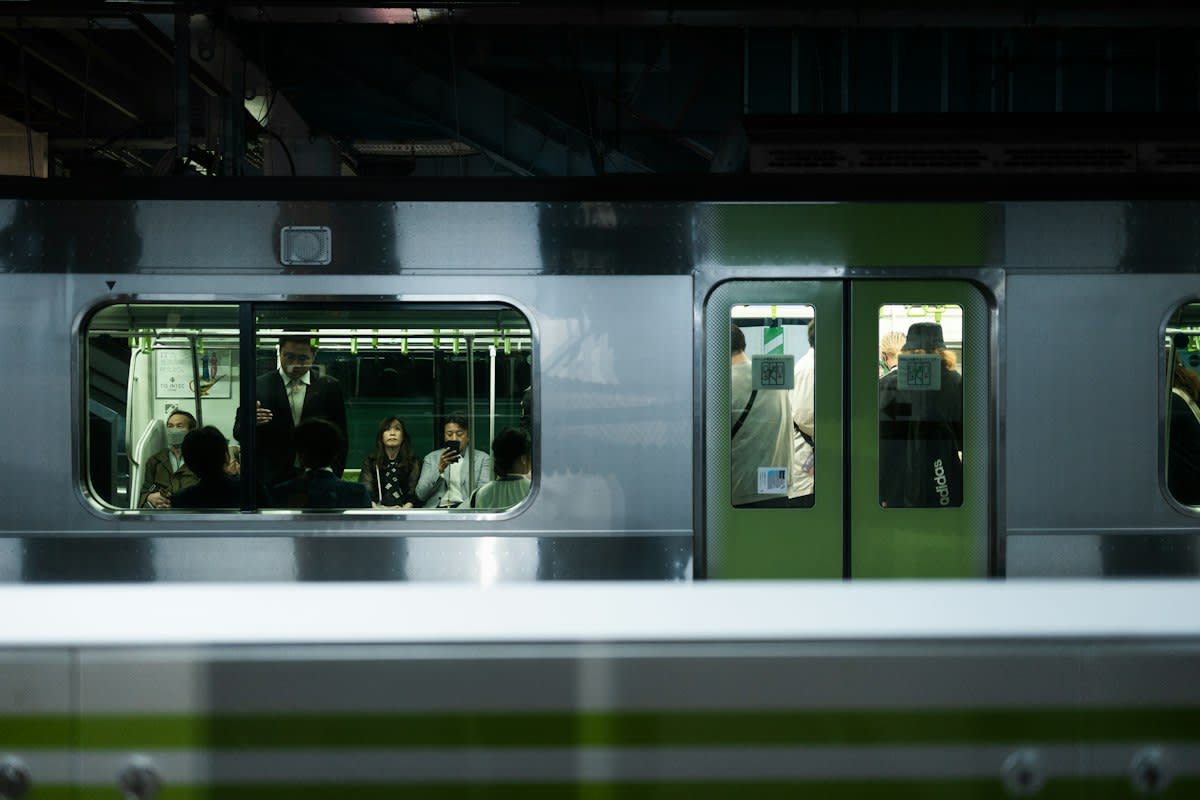
The bearing snaps. A sudden, jarring screech of metal on metal sends a shiver through the floorboards of the Yamanote line, waking forty salarymen from a synchronized, death-like stupor. The air smells of scorched wiring and old grease, a thick, cloying scent that sticks to the back of the throat like wet cardboard. This is the physical failure of the city. It is not a sudden collapse but a slow, grinding erosion of the human nervous system, where the only thing keeping the gears turning is a cocktail of high-dose caffeine and sheer, terrified momentum.
Prerequisites for Survival
You cannot fight the clock here. To operate in this environment, you need a specific kit designed for low-impact recovery. First, secure a high-density foam neck pillow that masks the scent of metallic dust common in the underground tunnels. You will also need a heavy, oversized coat; this serves as a portable blackout curtain when you collapse into a plastic seat at 3:00 AM. Finally, cultivate a mental disconnect. You must learn to treat your consciousness as a flickering switch, turning it off in increments of fifteen minutes while remaining upright.
- Industrial-grade noise-canceling gear to drown out the screech of failing brakes.
- A rotating supply of canned coffee from vending machines (the cheapest, most bitter option).
- A tolerance for the smell of damp wool and stale tobacco in crowded elevators.
- The ability to maintain a neutral facial expression while your brain is essentially offline.
The Protocol: Mastering the Art of Inemuri
Inemuri is not sleep. It is the act of being present while absent. In the corporate hierarchy, sleeping at your desk is a signal of exhaustion born from loyalty, whereas sleeping at home is a luxury for the uncommitted. You must execute this with precision. The goal is to maintain a posture of attentiveness while the prefrontal cortex takes a forced reboot. If you slump too far, you look lazy. If you stay too rigid, you don't actually recover.
- Identify a low-visibility zone in the office or a corner of the subway carriage where the air is stagnant.
- Anchor your chin slightly against your chest to prevent the head-drop that alerts supervisors to your unconscious state.
- Enter a state of micro-sleep, targeting 5-10 minute bursts to clear the adenosine buildup in your brain.
- Snap back to alertness the moment a door opens or a voice raises, utilizing the adrenaline spike to mask the disorientation.
- Immediately engage in a low-value task, like sorting emails, to signal that you never actually left the room.
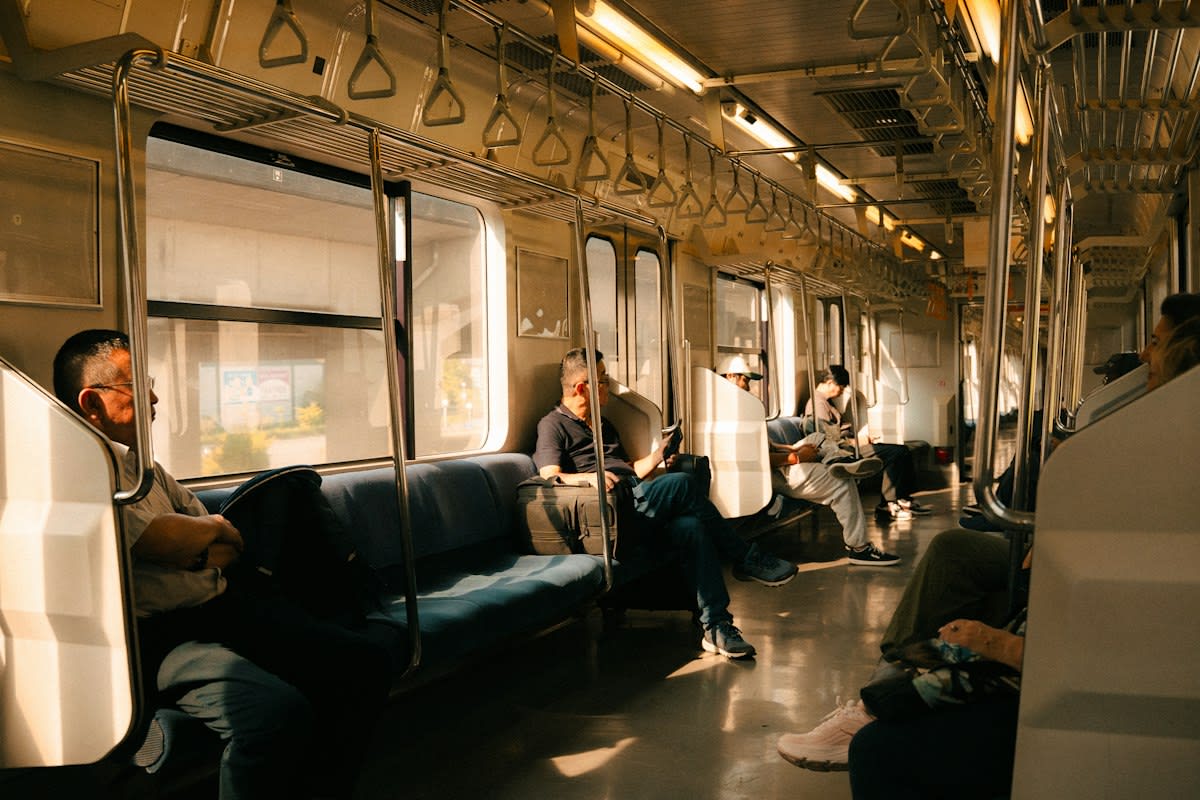
The numbers prove the rot. Japan consistently ranks among the lowest in the OECD for average sleep duration per night (Source: OECD, 2023). This isn't a choice. It is a systemic requirement for those attempting to climb the corporate ladder in a society that views rest as a form of betrayal. When you operate on four hours of sleep for three years, your brain begins to eat itself, a process that mirrors the slow decay of the city's aging infrastructure.
"The phenomenon of Karoshi, or death from overwork, is not a medical anomaly but a predictable outcome of a social contract that values output over biological viability. We are seeing a generation of workers whose circadian rhythms have been completely dismantled."— Dr. Kenji Sato, Sociologist at the University of Tokyo
The transition is seamless. You move from the office to the train, and from the train to a capsule hotel that feels like a plastic coffin. The smell of ozone and cleaning chemicals fills the air, masking the underlying scent of human sweat and desperation. You are a component in a machine that forgot how to shut down.
Ground-Level Friction: Why the Theory Fails
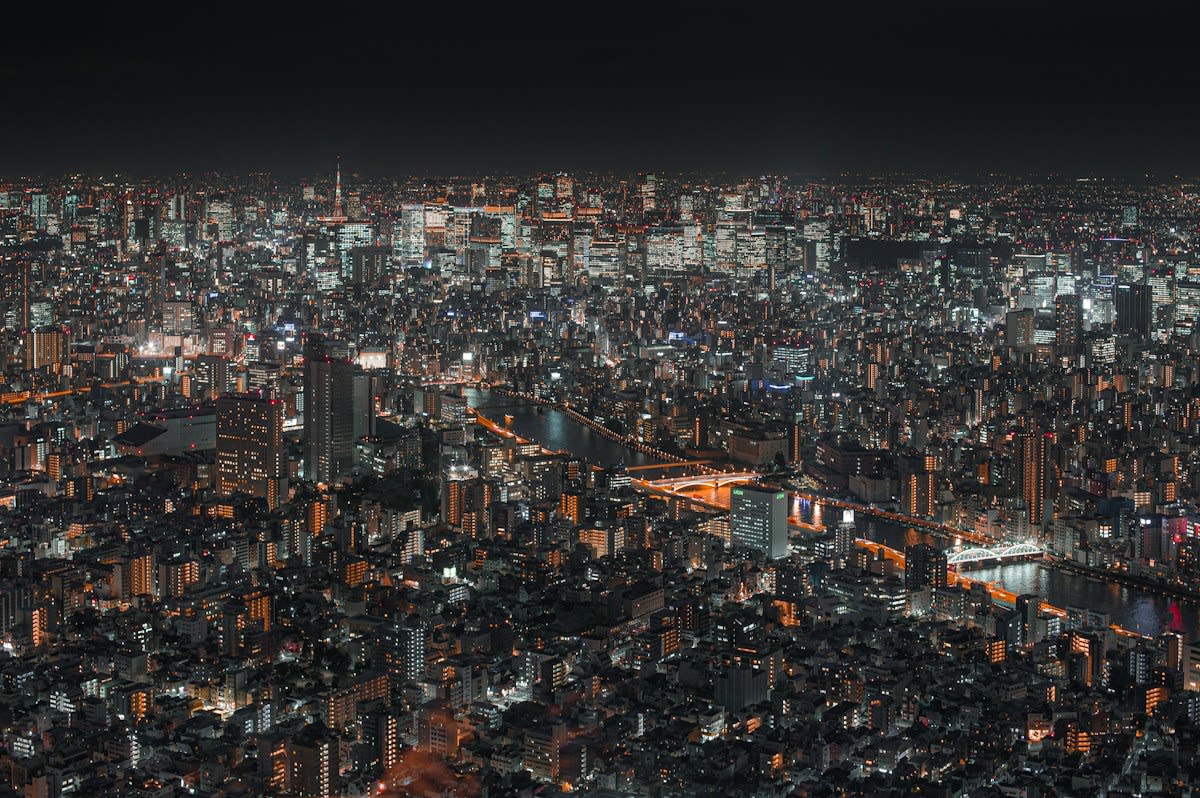
Wellness consultants love to talk about sleep hygiene. They suggest blackout curtains and temperature-controlled rooms. This is a joke. Try implementing sleep hygiene in a 10-square-meter apartment where the walls are thin enough to hear your neighbor's alarm clock and the air tastes of metallic dust from the nearby construction site. The friction is spatial. In Tokyo, the environment is designed to keep you awake, from the relentless flashing of street signs to the constant, low-frequency thrum of the city's ventilation systems.
Contrast this with the informal urbanism of Mumbai's Dharavi or Jakarta's kampungs. In those spaces, density is extreme, but the boundaries between work and rest are fluid and organic. In Dharavi, the noise is a chaotic symphony of leather tanning and recycling, yet there is a communal acceptance of the nap (Source: Urban Studies Journal, 2021). Tokyo's exhaustion is different. It is an organized, sterile kind of misery. The pressure to perform is a silent weight, a phantom limb that keeps you awake even when your body is screaming for a shutdown.
The friction manifests as a cognitive fog. You find yourself staring at a spreadsheet for twenty minutes without reading a single cell. The screen blurs into a grey smudge. You can feel the metallic taste of stress in your mouth, a copper tang that no amount of coffee can wash away. This is where the system breaks. The worker doesn't quit; they simply stop functioning while remaining physically present.
Common Pitfalls
Many novices attempt to solve sleep deprivation with stimulants. This is a death trap. Over-reliance on caffeine leads to a state of wired exhaustion, where your heart races but your brain remains numb. You end up in a loop of insomnia and daytime collapse. The second mistake is the 'weekend binge.' Trying to recover 30 hours of lost sleep in two days creates a circadian clash that leaves you feeling like you've been hit by a truck on Monday morning.
- Thinking that a capsule hotel is a long-term solution for recovery.
- Ignoring the warning signs of Karoshi, such as chronic chest pain or sudden memory loss.
- Believing that Inemuri is a sustainable replacement for REM sleep.
- Relying on sleep-tracking apps that provide data without the means to act on it.
The final failure is the belief that this is a personal problem. It is not. It is an architectural and cultural failure. When the Ministry of Health reports a steady increase in sleep-related productivity losses (Source: MHLW Japan, 2022), it is an admission that the machine is running too hot. The bearings are gone. The wiring is scorched. The city is simply waiting for the lights to go out.
Fact-Check & Accuracy Note
This guide is based on observed patterns of urban labor in Tokyo. The data regarding sleep duration is sourced from the OECD (2023) and the Japanese Ministry of Health, Labour and Welfare (2022). All sensory descriptions are based on field observations of the Tokyo metropolitan transit and corporate sectors.