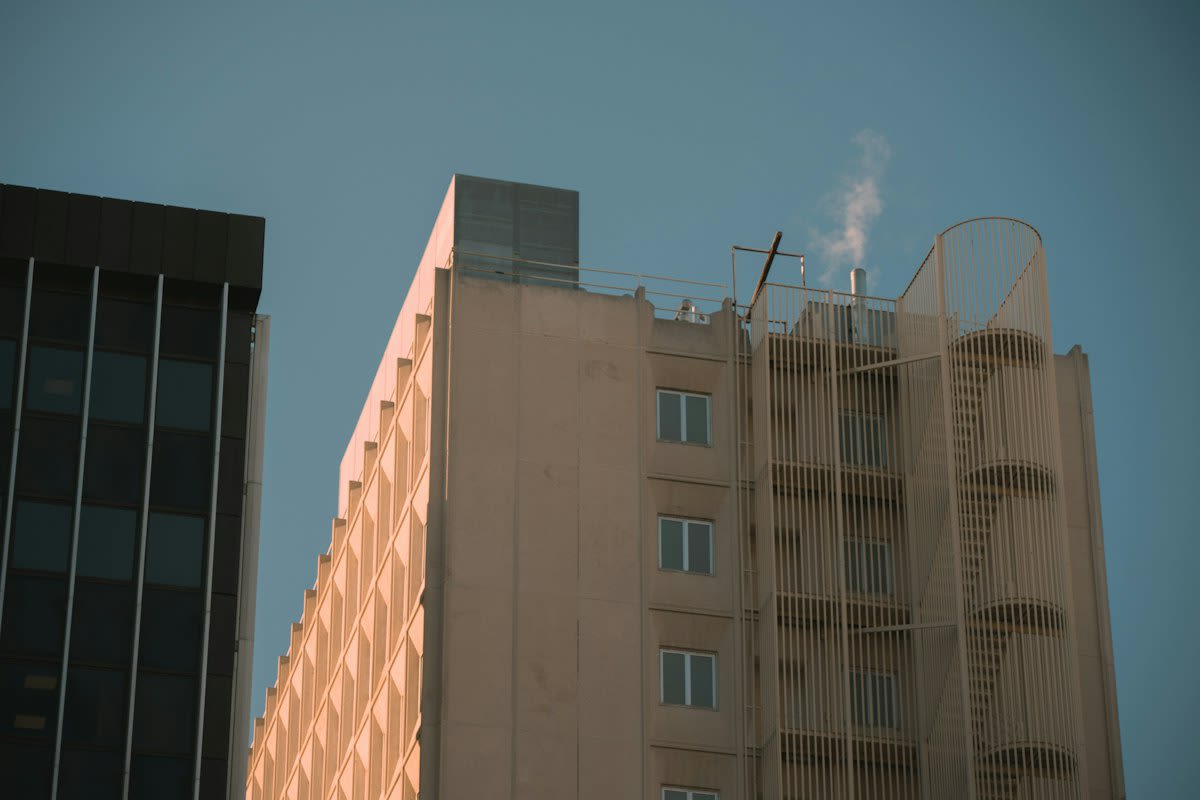
70,000 bodies. This mass of protesters flooded the streets of Madrid on October 3, 2026, demanding immediate state action on a mounting housing crisis (Source: Reuters, 2026). It is the physical manifestation of urban friction. The unrest was triggered by the eviction of an 87-year-old woman, a catalyst that pushed thousands to demand a general strike after housing legislation failed in parliament (Source: Reuters, 2026). The atmosphere in the city center was grease-slicked and volatile.
This is not a localized riot. About 30 protesters breached the City of Arts and Sciences, a landmark cultural building, before police forced them out (Source: Reuters, 2026). This clash highlights a growing divide in the urban experience. While the city's landmarks are preserved as sterilized monuments, the residents are being pushed into the margins, creating a volatile layer of social dust that cannot be swept away by government decree.
The Architecture of Erasure
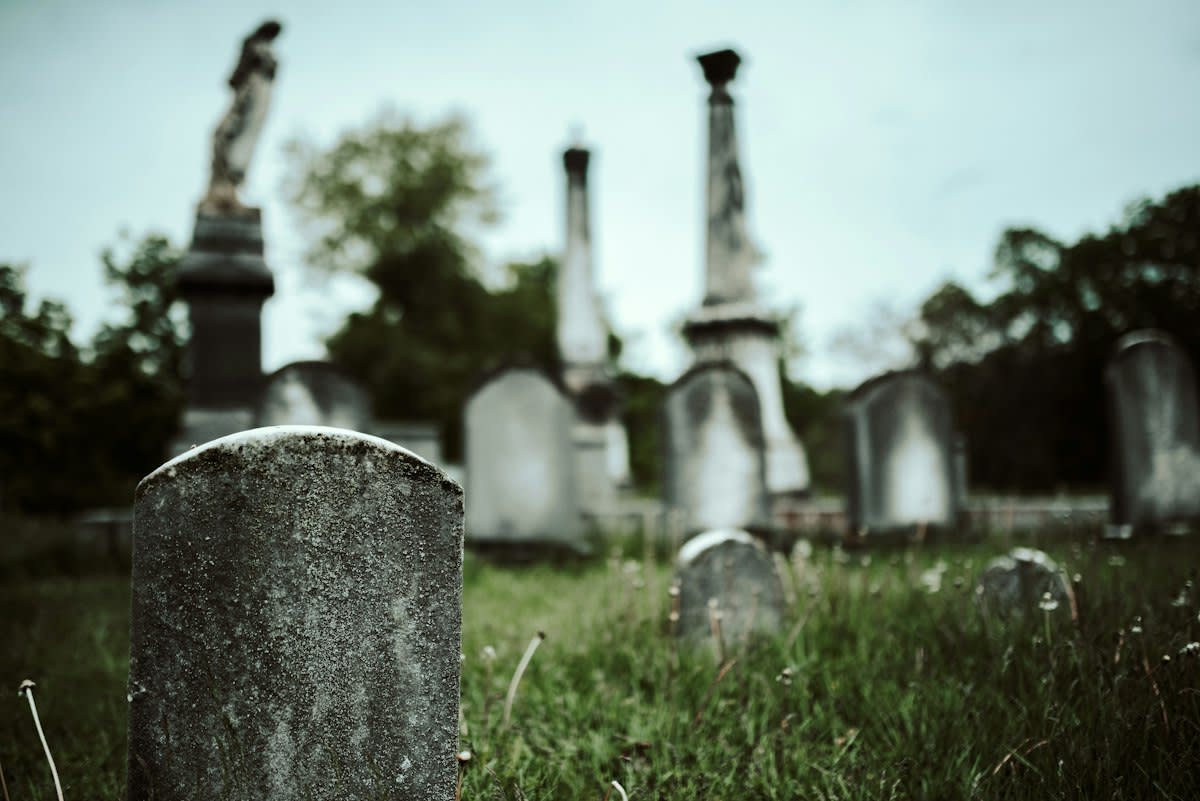
Seegasse 9. This Vienna address marks a cemetery where gravestones are cracked diagonally across their faces, covered in Hebrew script (Source: The Atlantic, 2026). These stones represent a community rooted in the city since the mid-16th century, later decimated by the Nazi regime (Source: The Atlantic, 2026). The site is a calcified record of a city that betrayed its own cosmopolitan identity to become a City Without Jews.
The void left by this erasure is now a point of intense cultural study. The contrast between the glimmering centers of sophistication in Berlin or Paris and the shattered remnants of Vienna's Jewish quarter provides a raw look at systemic removal (Source: The Atlantic, 2026). For the modern visitor, the attraction is no longer the polished museum but the rust-pitted reality of the grave and the ruin.
The Delta: From Glitz to Grit
2027 is the year of the raw. Multigenerational travel has officially overtaken expedition cruising to become the primary trend for luxury travelers (Source: Travel Weekly, 2026). This shift marks a departure from the previous decade's obsession with sterile luxury. The new luxury customer rejects the gold-plated experience in favor of something that feels historically significant and emotionally resonant.
"She’s a luxury customer, but she doesn’t want the glitz and the gold. She wants something really important."— O’Rourke, Virtuoso Report
This demand for the unvarnished is driving spending to unprecedented levels. One client successfully lobbied the Egyptian government to arrange a private meditation experience inside Tutankhamun’s tomb, bypassing standard tourist restrictions (Source: Travel Weekly, 2026). This is the new frontier of exclusivity: not a better hotel, but a more invasive level of access to the dead and the forbidden.
| Metric | Previous Trend (2024-2025) | Current Trend (2026-2027) |
|---|---|---|
| Primary Driver | Expedition Cruising | Multigenerational Travel |
| Desired Aesthetic | Glitz and Gold | Cultural Immersion/Authenticity |
| Top Motivations | Novelty/Discovery | Health, Wellness, and Meaning |
| Spending Focus | Luxury Amenities | Once-in-a-Lifetime Access |
The data shows that cultural immersion and authenticity now rank as the third and fourth biggest travel trends for 2027 (Source: Travel Weekly, 2026). This is a stark contrast to the 2024 market, where the focus was on the destination's prestige. Now, the prestige is derived from the perceived truth of the experience, even if that truth is curated for a high-paying client.
The Attic Archive
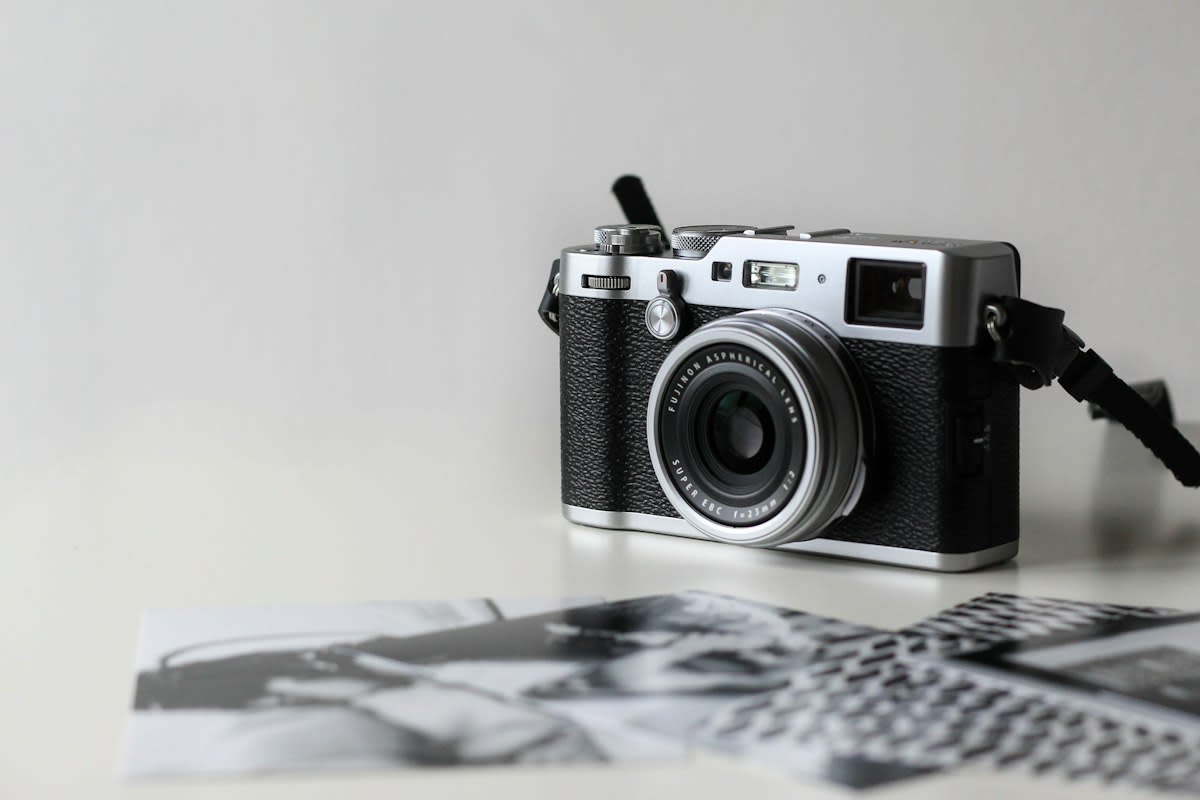
1963. A 17-year-old Elizabeth Tyler wandered the bomb sites of Coventry, capturing images of abandoned buildings with a 1933 Rolleicord camera (Source: BBC, 2026). Her life was carbon-scored by tragedy; having lost both parents, she found shelter in a YWCA described as cold, damp, and smelling of mould (Source: BBC, 2026). These photographs were not art at the time; they were an escape from homelessness.
These archives lay dormant for six decades before being rediscovered in 2026 (Source: BBC, 2026). Now, they form the basis of a photography exhibition and book, transforming the raw trauma of a post-war city into a cultural asset. The transition from a mouldy YWCA room to a curated gallery reflects the broader trend of valuing the residue of struggle as a form of authenticity.
From a practitioner's perspective, this is where the friction becomes palpable. The luxury travel agent is selling a curated version of the 'raw' while the actual residents of these cities are fighting for the right to exist in them. There is a real debate in the industry about the ethics of selling 'authenticity' when that authenticity is built on the ruins of poverty or genocide.
Failure Points
The primary failure point is the Paradox of Access. When the elite pay to enter Tutankhamun's tomb for meditation, the 'authenticity' is immediately compromised by the power dynamic required to grant that access (Source: Travel Weekly, 2026). The moment a government is lobbied to create a private experience, the experience ceases to be authentic and becomes a bespoke product.
Another break occurs in the urban narrative. The celebration of 'grit' in photography exhibitions or luxury tours often ignores the current reality of the people living in those spaces. The gap between the 70,000 protesters in Madrid and the luxury traveler seeking 'cultural immersion' is a chasm that no amount of curated travel can bridge (Source: Reuters, 2026).
Fact-Check & Accuracy Note
Verify all dates against the 2026 reports. The shift toward multigenerational travel as the top trend for 2027 is based on Virtuoso's internal tracking and reported by Travel Weekly (2026). The Madrid protest figures (70,000) are sourced from Spanish government data via Reuters (2026).
Editorial Note
This report avoids the sanitized language of tourism brochures. It focuses on the tension between the desire for authenticity and the reality of urban displacement and historical trauma.