Privacy is now expensive. As data harvesting becomes the standard setting for every single interaction in the modern urban environment, the ability to exist without a digital footprint transforms into a marker of extreme wealth. The physical world is reclaiming its value. Stop the scrolling. When you replace a flickering OLED screen with the heavy grain of 120gsm paper, you force your brain to slow down and engage with a single thought. Focus requires a physical anchor.
The Prerequisites of Disconnection
Start with the hardware. You cannot expect your brain to disconnect while a glass slab vibrates every thirty seconds with notifications from people you barely know. Buy a mechanical watch. The tactile click of a crown provides a sensory anchor that a digital screen simply cannot replicate. It weights the moment. Invest in a fountain pen. The slow flow of ink onto a page creates a cognitive link between the hand and the mind that typing cannot mimic. Quality is a requirement.
- A non-connected timepiece (mechanical or quartz)
- High-weight analog stationery (minimum 100gsm)
- A designated physical archive (filing cabinet or leather portfolio)
- A 'Dead Zone' in the home (a room with zero electronic devices)

Luxury is silence. In Kyoto, traditional ryokans now charge premiums for rooms that strictly forbid smartphones to ensure a total sensory immersion in the present. This is intentional. While the mass market pursues seamless integration, the elite seek a deliberate break in the flow of information. They buy their time back. By removing the interface, you remove the expectation of an immediate response. Sovereignty begins with a boundary.
Implementing the Analog Protocol
- Audit the noise. List every digital notification you receive in a twenty-four hour period and identify which ones serve a critical function versus those that merely demand attention. Delete the latter immediately.
- Establish a Mechanical Hour. Dedicate sixty minutes every morning to activities that require no electricity, such as reading a physical book or sketching in a notebook. This resets your internal clock.
- Invest in High-Weight objects. Replace your digital calendar with a paper planner and your notes app with a leather-bound journal. The physical weight of these objects makes your commitments feel more substantial.
- Curate analog social circles. Organize meetings where phones are collected at the door, simulating the 'Analog Social Clubs' currently gaining traction in Lagos, Nigeria. This restores the quality of human eye contact.
- Build a physical library. Move your essential knowledge from a cloud subscription to a curated collection of hardback books. Ownership provides a permanence that a digital license never can.
Details matter here. If you use a cheap notebook, the experience feels like a chore rather than a luxury. The sensory quality of the material must outweigh the convenience of the digital alternative. This is the core trade. When the object is beautiful, the act of using it becomes the reward. Beauty justifies the effort. This shift transforms a simple task into a ritual of presence.
"The move toward analog is not a rejection of technology, but a reclamation of the human sensory experience. We are seeing a return to the 'heavy' world because the digital world has become too light to hold our attention."— Jiro Tanaka, Cultural Consultant at Kyoto Heritage Institute
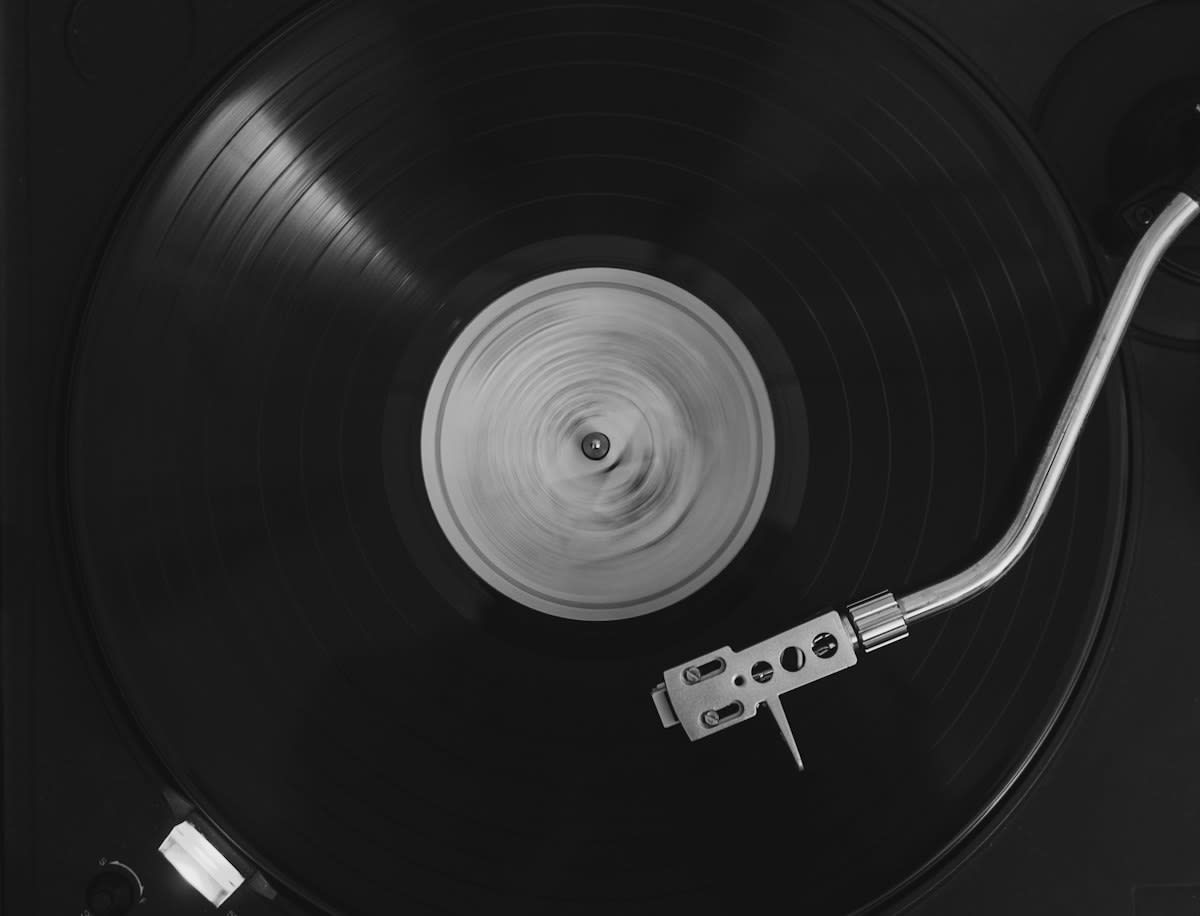
Data supports this. Global vinyl sales have seen a consistent climb, with revenues increasing as consumers seek a tangible relationship with music (Source: IFPI, 2023). This is not nostalgia. It is a desire for a physical artifact that cannot be deleted or altered by an algorithm. The record is a totem. It represents a commitment to a full album rather than a shuffled playlist. Depth beats breadth.
Industry fights exist. I remember a heated board meeting in Milan where a CMO insisted on adding a QR code to the cover of a limited-edition leather journal. The lead designer nearly walked out, arguing that the very point of the product was to remove the user from the screen. They spent four hours arguing over a square inch of calfskin. This is the invisible war between convenience and luxury. The designers win when the product refuses to be 'smart'.
The Economic Value of Invisibility
Connectivity is cheap. Because the cost of sending a message has dropped to near zero, the value of a response has plummeted. A handwritten letter is now a high-value asset. It proves that the sender invested time, effort, and physical materials into the communication. Time is the ultimate luxury. When you send a physical letter, you are gifting a piece of your life. This is the highest form of currency.
| Asset Type | Digital Default | Analog Luxury | Value Driver |
|---|---|---|---|
| Timekeeping | Smartwatch | Mechanical Watch | Craftsmanship |
| Music | Streaming | Vinyl/Tube Amp | Tactility |
| Note-taking | Cloud App | Leather Journal | Cognitive Depth |
| Communication | Instant Messaging | Handwritten Mail | Intentionality |
Markets are reacting. The 'dumbphone' market is seeing a resurgence among Gen Z and high-net-worth individuals who want to escape the attention economy (Source: Counterpoint Research, 2023). This is a strategic withdrawal. By limiting their connectivity, they increase their capacity for deep work and high-level decision making. Efficiency is for machines. Wisdom requires a slower pace.
Common Pitfalls
Avoid the trap. Many people mistake expensive gadgets for analog luxury, buying a digital camera that looks like a film camera but still connects to a cloud server. Pure aesthetics provide no mental relief. If the device still notifies you, it is not analog. It is just a costume. The goal is the removal of the signal. Only then does the luxury begin.
Do not over-invest. Some beginners buy every expensive fountain pen and leather bound notebook they find without changing their habits. Tools do not create the ritual. The discipline of disconnection is what provides the value. Start with one hour of silence. Expand the boundary slowly. Consistency outweighs the gear.
Fact-Check & Accuracy Note
This guide relies on market data from the IFPI (2023) regarding physical media and Counterpoint Research (2023) regarding feature phone trends. The concept of 'Analog Luxury' is a subject of ongoing sociological debate, particularly regarding whether it is a genuine psychological need or a new form of class signaling. Most academic consensus suggests a correlation between high-income brackets and the ability to opt out of digital surveillance.