30-year mortgage rate jumps to 7.17% — a nearly 2-year high — in the latest blow to the housing market
Source Entity
Aarthi Swaminathan
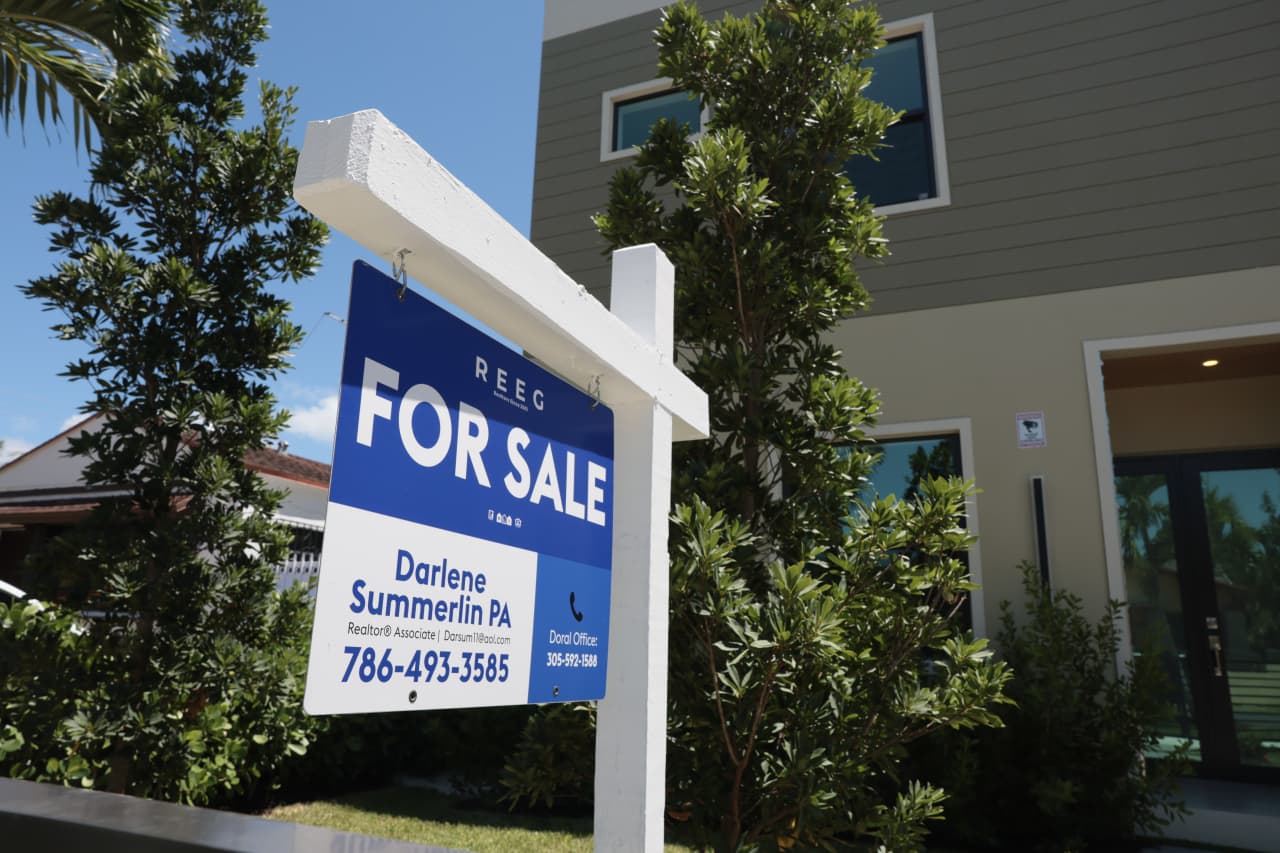
The 10-year Treasury yield is nearing the critical 5% threshold, driven by inflation fears and supply-demand imbalances. Investors are closely watching these rising yields as they signal potential shifts in Federal Reserve policy and stock market stability.
The 5% Threshold: Understanding the Treasury Yield Surge
The financial markets are currently bracing for a significant milestone as the 10-year Treasury yield approaches the psychologically critical 5% mark. This level, last observed in October 2023, serves as a primary barometer for global borrowing costs and investor sentiment. As the yield hovers near 4.97%, market participants are analyzing not just the number itself, but the underlying macroeconomic drivers that are pushing bond prices lower and yields higher.
The Role of Inflation and Energy Prices
Recent volatility in the energy sector has played a pivotal role in this upward pressure. With Brent crude oil climbing toward $107 a barrel, inflationary expectations have surged. Historically, higher energy costs act as a tax on the consumer, but in the current climate, they are being interpreted by the bond market as a signal that the Federal Reserve may need to maintain a more aggressive stance. The correlation between rising oil prices and Treasury yields underscores the market's fear that inflation may remain sticky, necessitating further rate hikes despite the potential for economic cooling.
Supply, Demand, and Issuance Pressures
Beyond inflationary fears, the structural mechanics of the bond market are contributing to the rise in yields. A notable supply-demand imbalance has emerged as heavy Treasury and corporate bond issuance competes for a limited pool of investor capital. When the government and corporations flood the market with debt, yields must rise to attract buyers. This supply-side pressure suggests that the 5% yield is not solely a product of monetary policy, but also a reflection of the sheer volume of debt currently being absorbed by the financial system.
Federal Reserve Policy and Market Expectations
Market sentiment regarding the Federal Reserve’s upcoming policy meeting has shifted dramatically. Following a concerning August inflation print, analysts at institutions like Goldman Sachs have revised their outlooks, moving from a neutral stance to pricing in a high probability of a rate hike. This shift highlights a common dilemma: the Fed must balance the need to curb inflation against the risk of inducing a recession or causing undue stress in the equity markets. The market is currently pricing in a nearly 90% chance of a hike to avoid a negative reaction that would likely follow if the Fed chose to remain on hold.
Implications for Equities and Future Trends
For the broader stock market, a 5% 10-year Treasury yield represents a significant headwind. Equities generally struggle in high-interest-rate environments because the discount rate applied to future earnings increases, lowering the present value of companies. Furthermore, as government bonds offer more competitive, risk-free returns, capital tends to rotate out of riskier assets like stocks and into fixed income. If yields remain elevated or continue to climb, investors should expect increased volatility as the market recalibrates valuations to account for a 'higher-for-longer' interest rate environment.
Conclusion: Assessing the Path Forward
As the benchmark 10-year yield sits on the doorstep of 5%, the primary takeaway for investors is that the context of the move is as important as the move itself. Whether these yields rise due to resilient economic growth—which might be tolerated—or due to persistent inflation and fiscal concerns, will dictate the market's long-term trajectory. Watching the interplay between the 30-year Treasury, energy prices, and Federal Reserve communications will be essential for navigating the coming months.
Multiple Citing Sources
Verification Required?