Don’t mistake the noise around BRICS for impact
Source Entity
Latest News: Todays Latest News Headlines from India & World | Hindustan Times | Hindustan Times
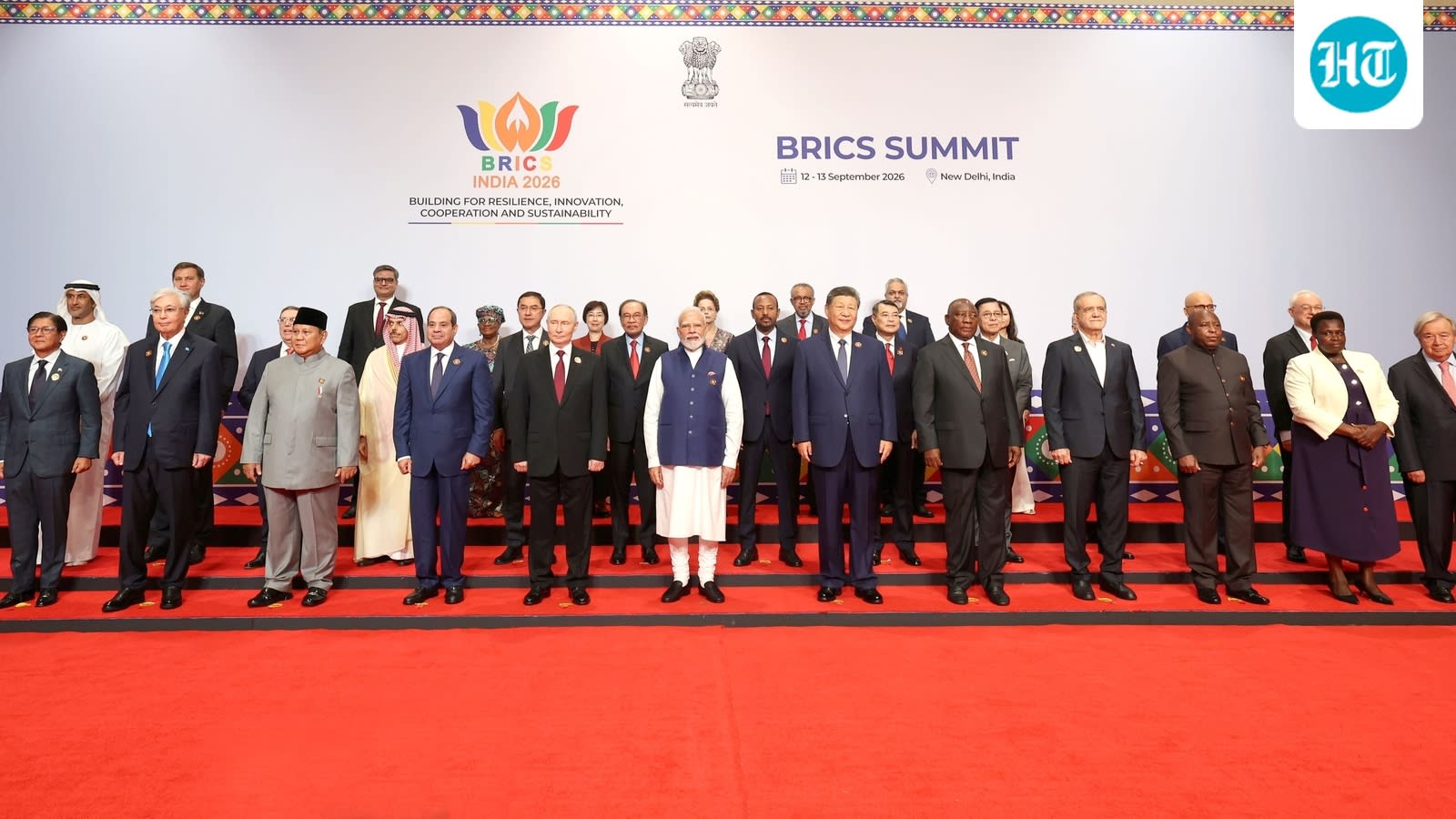
New Delhi hosts the 18th BRICS Leaders' Summit on September 12-13, 2026, at Bharat Mandapam. The agenda focuses on global governance, trade, and strengthening multilateralism among the 11 member nations.
The 18th BRICS Leaders’ Summit: A New Delhi Milestone
On September 12 and 13, 2026, New Delhi serves as the global focal point for diplomacy as it hosts the 18th BRICS Leaders’ Summit at the Bharat Mandapam. Prime Minister Narendra Modi is set to welcome leaders from the 11-member bloc, marking a significant moment in the group's history. This summit occurs exactly two decades after the formalization of the grouping, underscoring the evolution of these emerging economies into a central pillar of international relations.
Core Agenda and Diplomatic Priorities
The summit is structured around critical thematic pillars, including building resilience, enhancing trade and investment, and fostering technological cooperation. A primary focus of the deliberations is the session titled 'Inclusive Global Governance and Strengthening Multilateralism.' By prioritizing these topics, the member nations aim to address the complexities of a shifting world order, ensuring that the voice of the Global South remains influential in addressing regional and international challenges.
Strategic Engagements and Symbolism
The programming for the first day is designed to balance rigorous policy discussion with traditional diplomatic hospitality. Beyond the closed-door sessions, the schedule includes an innovation exhibition, a joint tree plantation, and a formal family photo. These events culminate in a gala dinner hosted by Prime Minister Modi, providing a platform for informal dialogue between heads of state, which is often as critical to diplomatic success as the formal agenda itself.
Expanding the Scope: Outreach and Inclusion
While the first day is dedicated to the core BRICS member states, the summit broadens its scope on Sunday, September 13. This second day features the inclusion of leaders from partner countries and specific outreach invitees. This tiered approach to the summit schedule highlights the bloc's desire to extend its influence and foster cooperative frameworks that transcend the original membership, particularly regarding food and energy security, health, and disaster resilience.
Economic and Global Implications
Central to the discussions are the critical supply chains that sustain modern economies. In an era of increasing economic volatility, the BRICS nations are leveraging this summit to coordinate on energy and health security. By focusing on collective resilience, the member states are signaling a shift toward more integrated economic policies that mitigate the impact of global supply chain disruptions. The emphasis on trade and technology suggests a long-term goal of creating a robust, autonomous economic infrastructure.
Future Trends and Conclusion
As the 18th BRICS Summit concludes, the outcomes regarding global governance reforms will likely serve as a blueprint for the bloc's future trajectory. With the expansion of the group to 11 members, the coordination required for consensus is higher than ever. The success of this summit in New Delhi will be measured by the ability of these leaders to translate these high-level discussions into actionable frameworks that strengthen multilateralism and ensure the continued relevance of the BRICS grouping in the next decade.
Multiple Citing Sources
Verification Required?