5.3 earthquake hits Nepal, tremors felt in India
Source Entity
The Indian Express
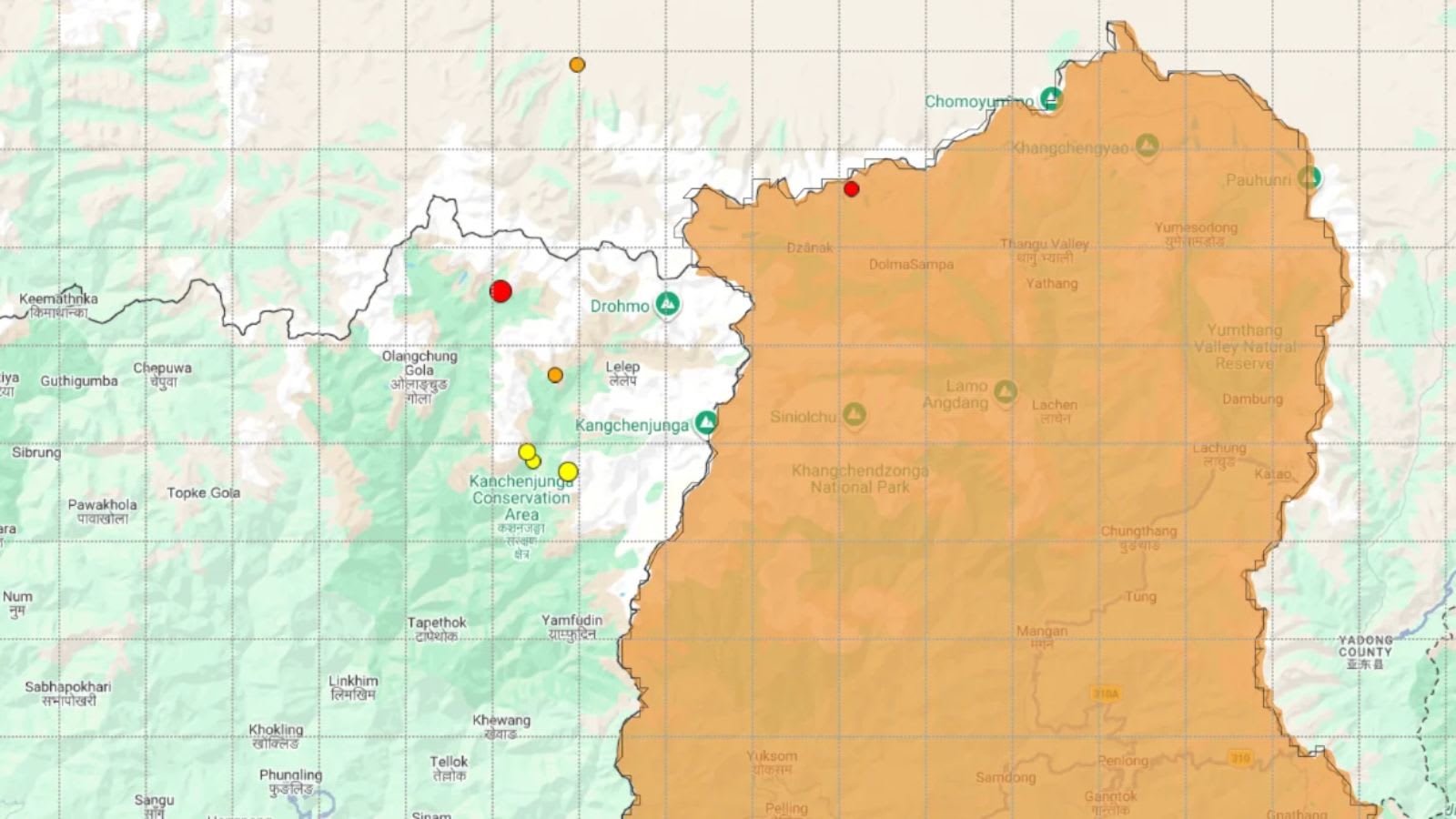
A 5.3 magnitude earthquake struck Nepal’s Koshi Province near the Chinese border, with tremors felt across India, Bhutan, and Bangladesh. Fortunately, no casualties or significant damages have been reported following the seismic event.
Seismic Activity in the Himalayas: An Analysis of the Nepal Earthquake
The Event Overview
On Tuesday at 7:02 AM, a 5.3 magnitude earthquake struck the Koshi Province of eastern Nepal, specifically near the region of Lelep, close to the border with China. The seismic event, which originated in the Taplejung district at Olangchung Gola, was significant enough to be recorded by multiple global monitoring agencies, including the US Geological Survey, the European-Mediterranean Seismological Centre, and India’s National Centre of Seismology. While reports vary slightly on the exact depth—ranging from 10 km to 20 km below the surface—the consensus confirms a shallow crustal event.
Regional Impact and Reach
The reach of this earthquake extended well beyond the borders of Nepal. Tremors were felt across multiple nations, including China, Bhutan, Bangladesh, and significant portions of northeastern India. Specifically, residents in the Indian states of Sikkim and northern West Bengal—including the districts of Darjeeling, Jalpaiguri, and Cooch Behar—reported feeling the shaking. The wide geographic distribution of these tremors highlights the sensitivity of the Himalayan tectonic landscape, where even moderate quakes can be felt across vast, interconnected regions.
Geological Context and Tectonic Stability
The Himalayan region is inherently prone to high seismic activity due to the ongoing collision between the Indian and Eurasian tectonic plates. The location of this earthquake near the China border in the Taplejung district places it within a complex zone of fault lines that characterize the mountain range. Shallow earthquakes, such as this one occurring at depths between 10 and 20 km, are typical for this region and often result in more perceptible shaking for surface populations compared to deeper seismic events.
Infrastructure and Safety Assessments
As of the latest reports, there have been no casualties or structural damages documented. This is a positive outcome for a region that is often vulnerable to the compounding effects of seismic activity, such as landslides in mountainous terrain. The absence of immediate damage suggests that the intensity of the ground motion, while widely felt, remained below the threshold required to compromise robustly constructed infrastructure in the affected districts.
Future Implications and Preparedness
While this specific event did not result in catastrophe, it serves as a critical reminder of the region's persistent seismic risk. For local authorities in Nepal and neighboring Indian states, the event reinforces the need for continued investment in seismic monitoring and public awareness regarding earthquake safety protocols. As the Himalayan region continues to experience tectonic pressure, the integration of real-time reporting from agencies like the National Centre of Seismology remains vital for disaster mitigation and emergency preparedness strategies moving forward.